by admin | Oct 30, 2026 | Australian Legality and Compliance
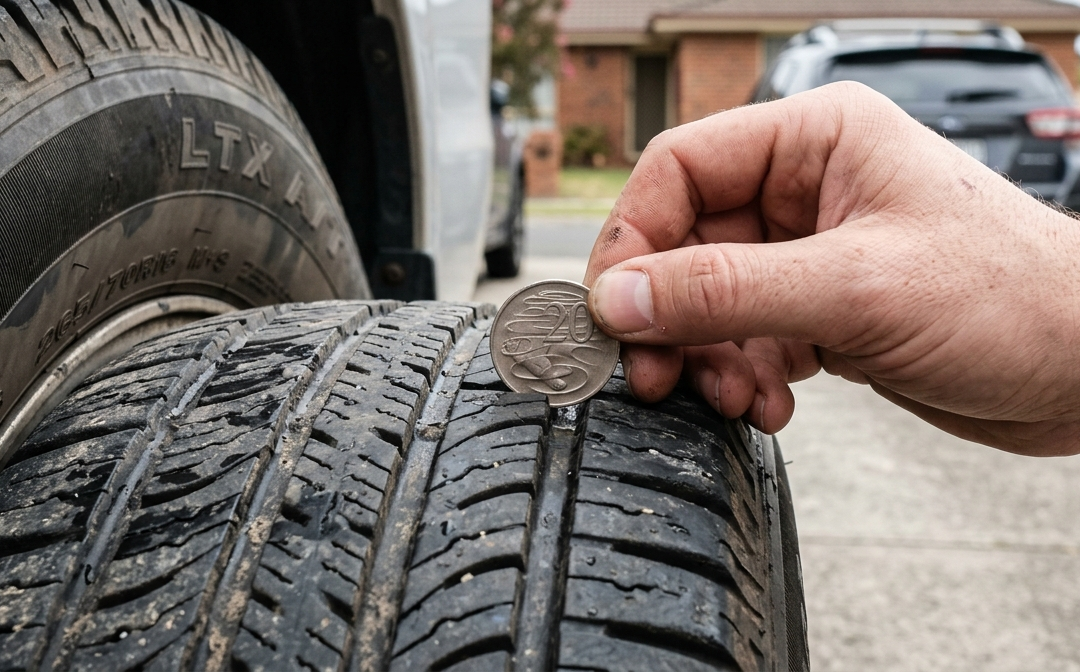
Australian English. Figures current as a guide for 2026 — always confirm penalties and inspection rules with your state or territory road authority. How do you check tyre tread depth without a gauge? TL;DR: You can check tyre tread depth without a gauge using two free...
by admin | Oct 30, 2026 | Australian Legality and Compliance
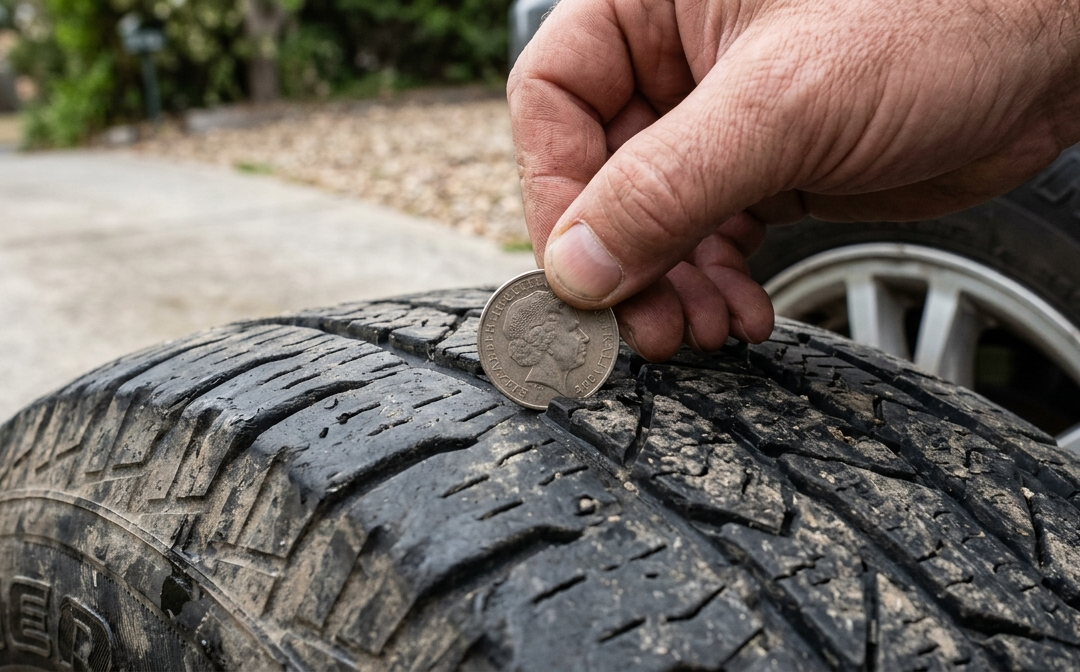
Category: Australian Legality and Compliance. Australian English throughout. Legal Minimum Tyre Tread Depth in Australia: The 1.5mm Rule Explained Quick answer: In Australia the legal minimum tyre tread depth is 1.5mm in all principal grooves, right around the tyre...
by admin | Oct 30, 2026 | Fitment and Sizing
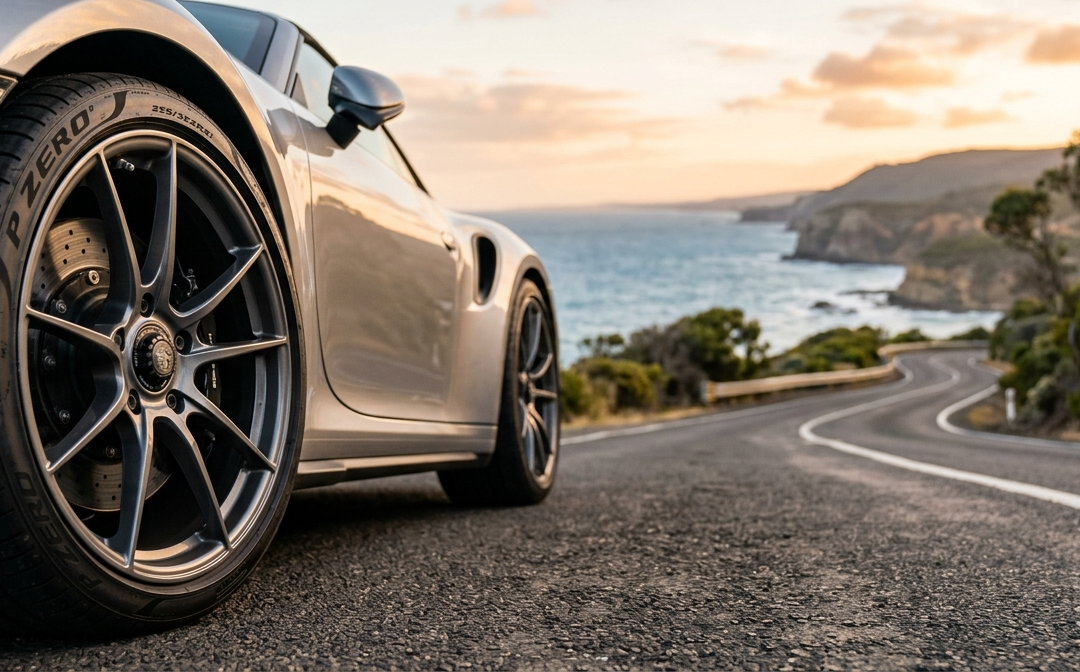
Category: Fitment and Sizing. Australian English throughout. Plus-Sizing a Sports Car: Grip vs Ride vs Cost Quick answer: Plus-sizing a sports car means fitting a larger-diameter rim with a lower-profile tyre while keeping the overall rolling diameter the same. You...
by admin | Oct 30, 2026 | Fitment and Sizing
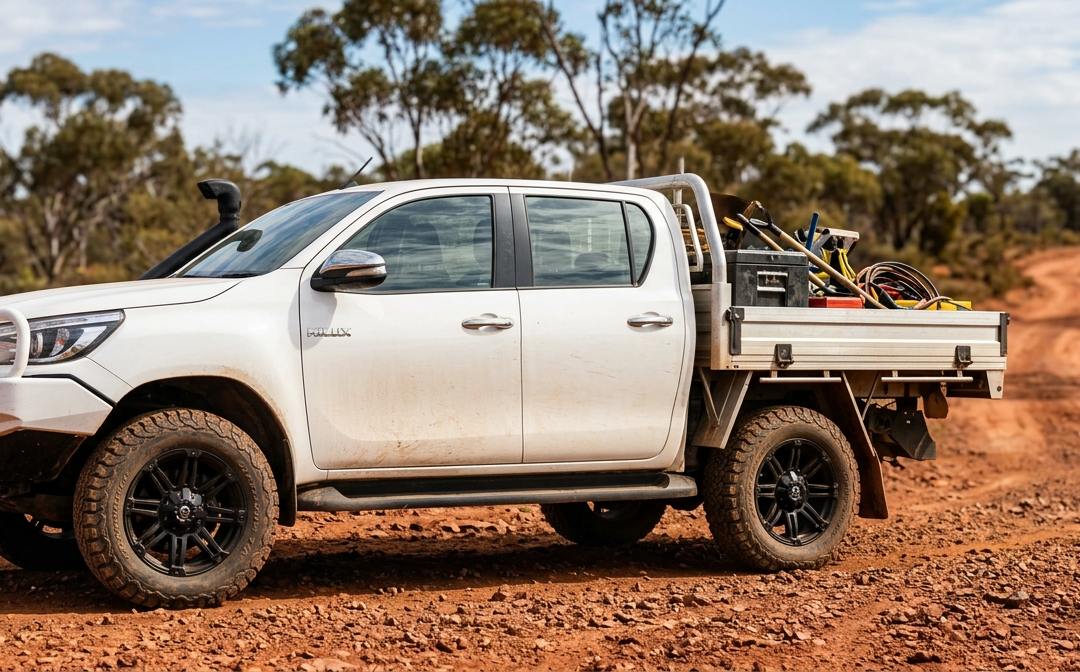
Quick answer: The biggest risk in plus-sizing a dual-cab ute isn’t looks or ride — it’s load rating. Many flashy larger wheels come wrapped in passenger-construction or lower-load-index tyres that can’t legally or safely carry a ute’s payload...
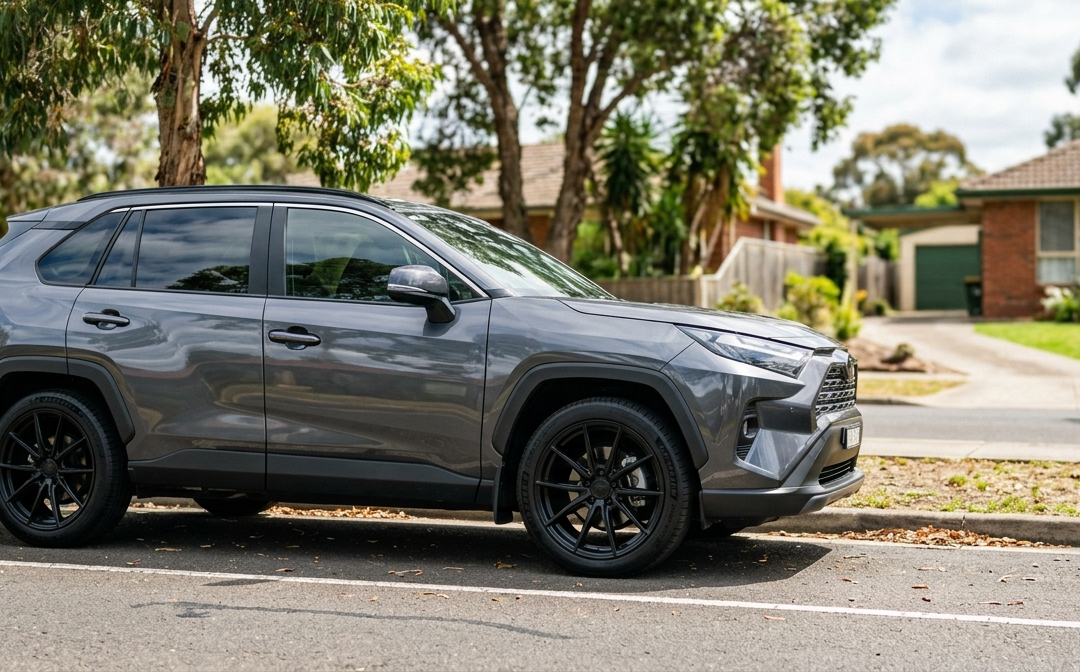
by admin | Oct 30, 2026 | Fitment and Sizing
Quick answer: On most medium SUVs you can safely go up one or two rim sizes if you drop the aspect ratio to keep the rolling diameter close to standard. Because many medium SUVs are classed as passenger vehicles, the overall diameter usually must stay within roughly...
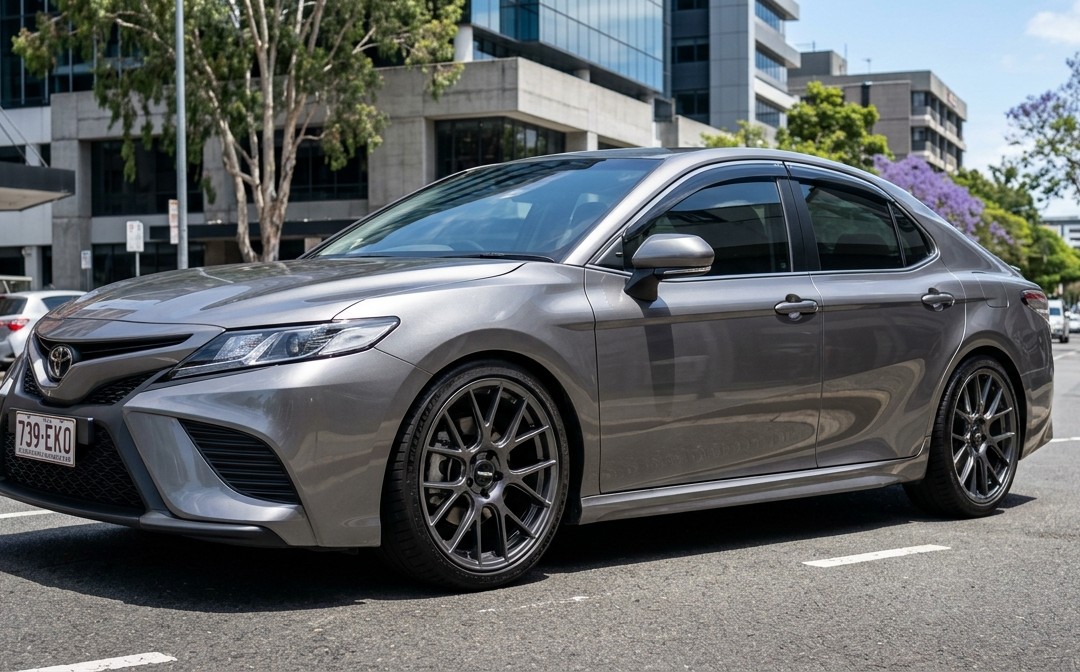
by admin | Oct 30, 2026 | Fitment and Sizing
Plus-sizing a sedan means fitting a larger wheel and a lower-profile tyre while keeping the overall rolling diameter close to standard. On a sedan you have more arch room and a heavier, longer body to work with than a hatch, so the payoff in looks and handling is...
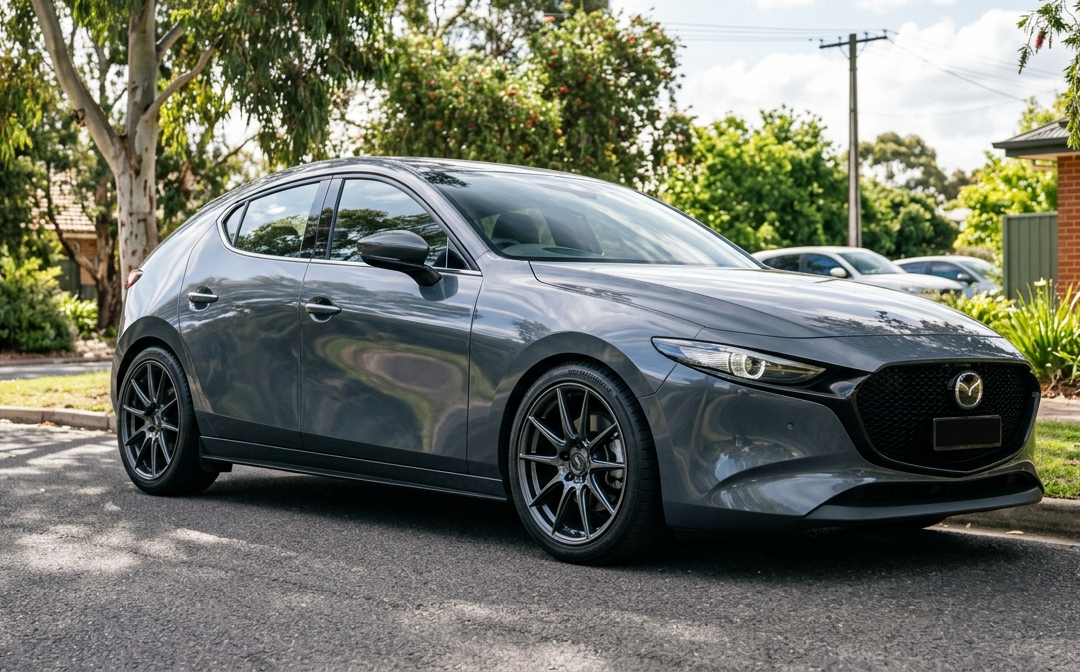
by admin | Oct 30, 2026 | Fitment and Sizing
Plus-sizing a hatchback means fitting a larger-diameter wheel with a lower-profile tyre, keeping the overall rolling diameter close to standard. Done right, it sharpens steering and looks. Done wrong, it wrecks ride comfort, throws out your speedo, and can leave your...
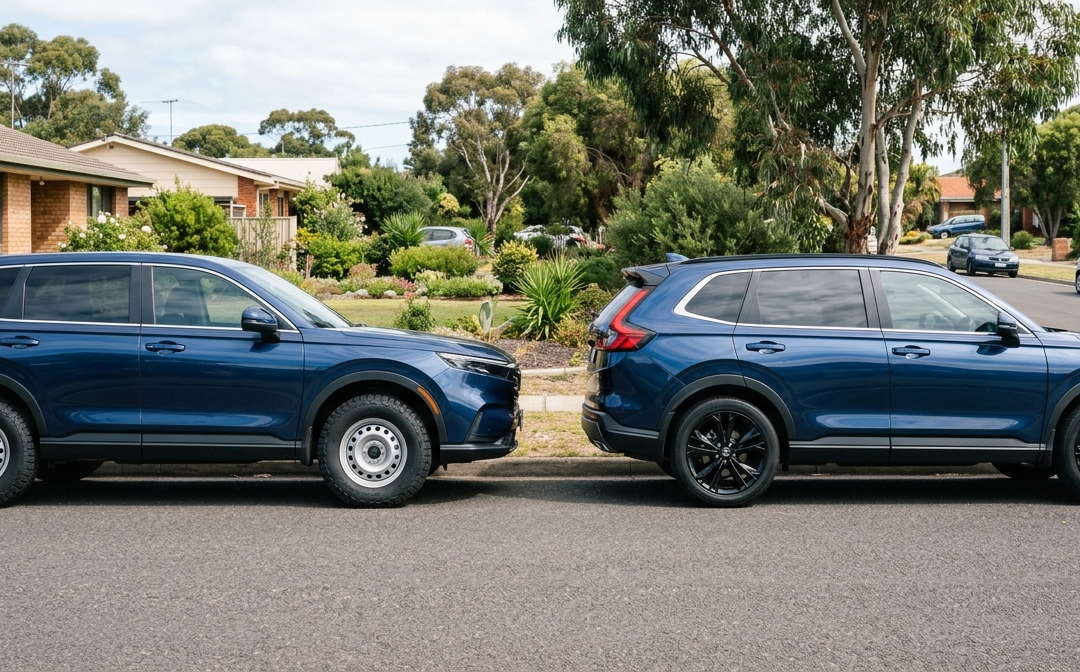
by admin | Oct 30, 2026 | Fitment and Sizing
The short answer: One model name can cover many builds. Trim level, optional wheel packages, the model year or generation, and even the engine or drivetrain all change the factory tyre size. That’s why a “Toyota RAV4” or “Ford Ranger” can...
by admin | Oct 30, 2026 | Fitment and Sizing
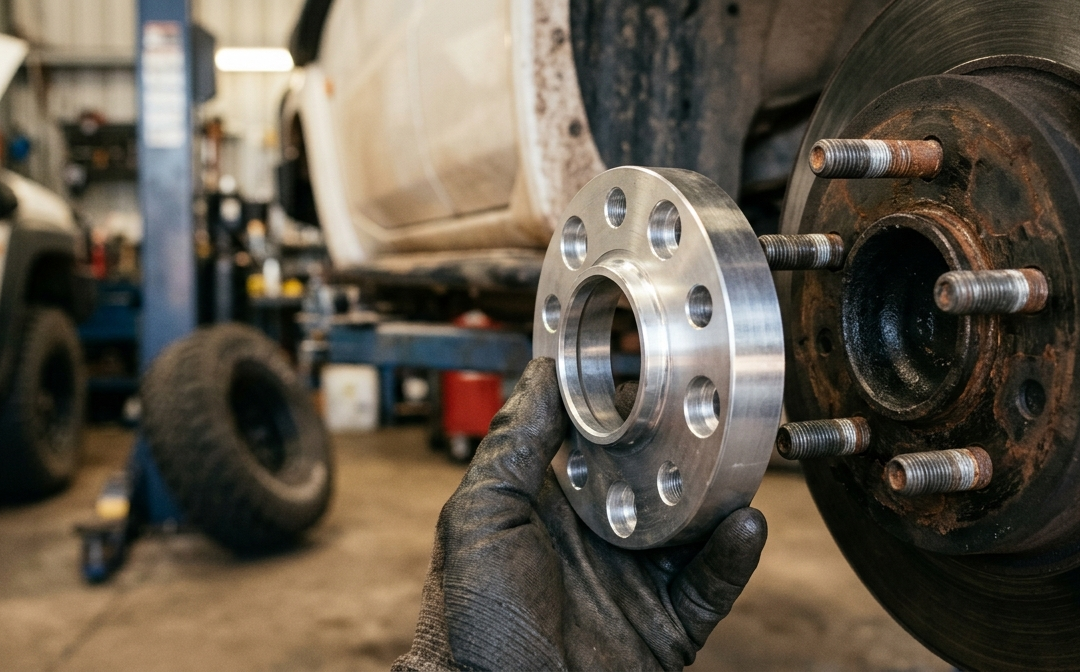
The short answer: Most Australian drivers don’t need wheel spacers. In Australia, spacers or adaptors between the hub face and the wheel must not be used unless they were fitted as original equipment by the manufacturer (VSB 14). They can widen your stance and...
by admin | Oct 30, 2026 | Fitment and Sizing
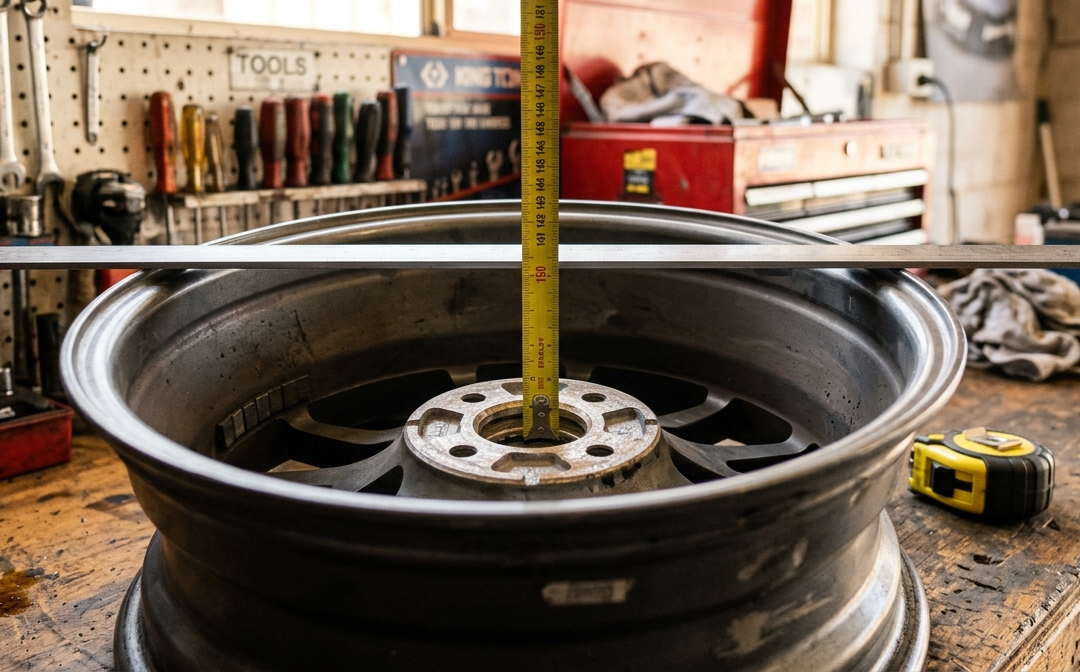
The short answer: Offset is how far a wheel’s mounting face sits from its centreline, stamped as “ET” in millimetres. Positive offset tucks the wheel in; negative offset pushes it out (“poke”). Backspacing is the distance from the...