
Plus-sizing a sedan means fitting a larger wheel and a lower-profile tyre while keeping the overall rolling diameter close to standard. On a sedan you have more arch room and a heavier, longer body to work with than a hatch, so the payoff in looks and handling is bigger — but so is the bill, and the ride and refinement you trade away. Here is the honest ledger.
TL;DR: Plus-sizing a sedan trades taller-sidewall tyres for a bigger wheel and a lower-profile tyre at the same overall diameter. You gain sharper steering, more grip and stronger kerb presence; you give up ride comfort, some quietness and economy, and you pay more per tyre. Keep the rolling diameter close to standard, keep the speedo legal, and declare it to your insurer.
What does plus-sizing a sedan involve?
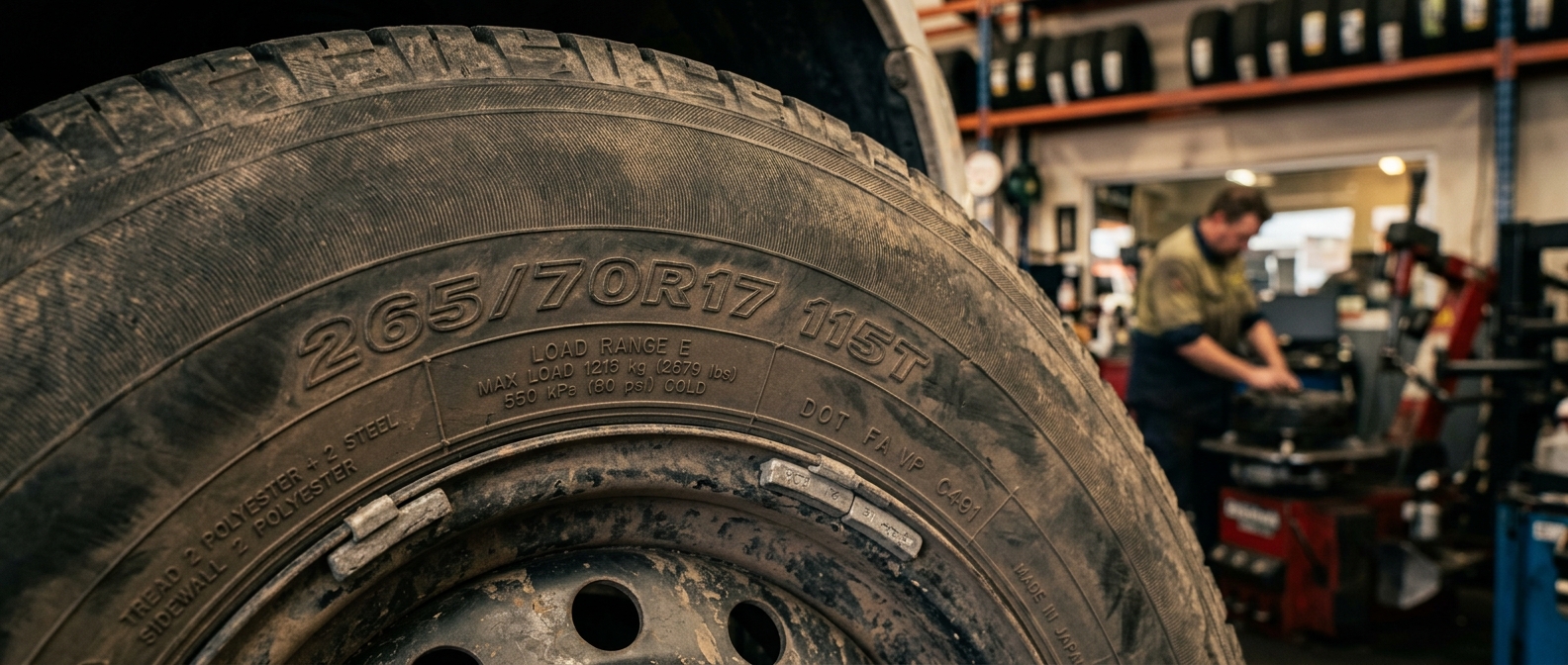
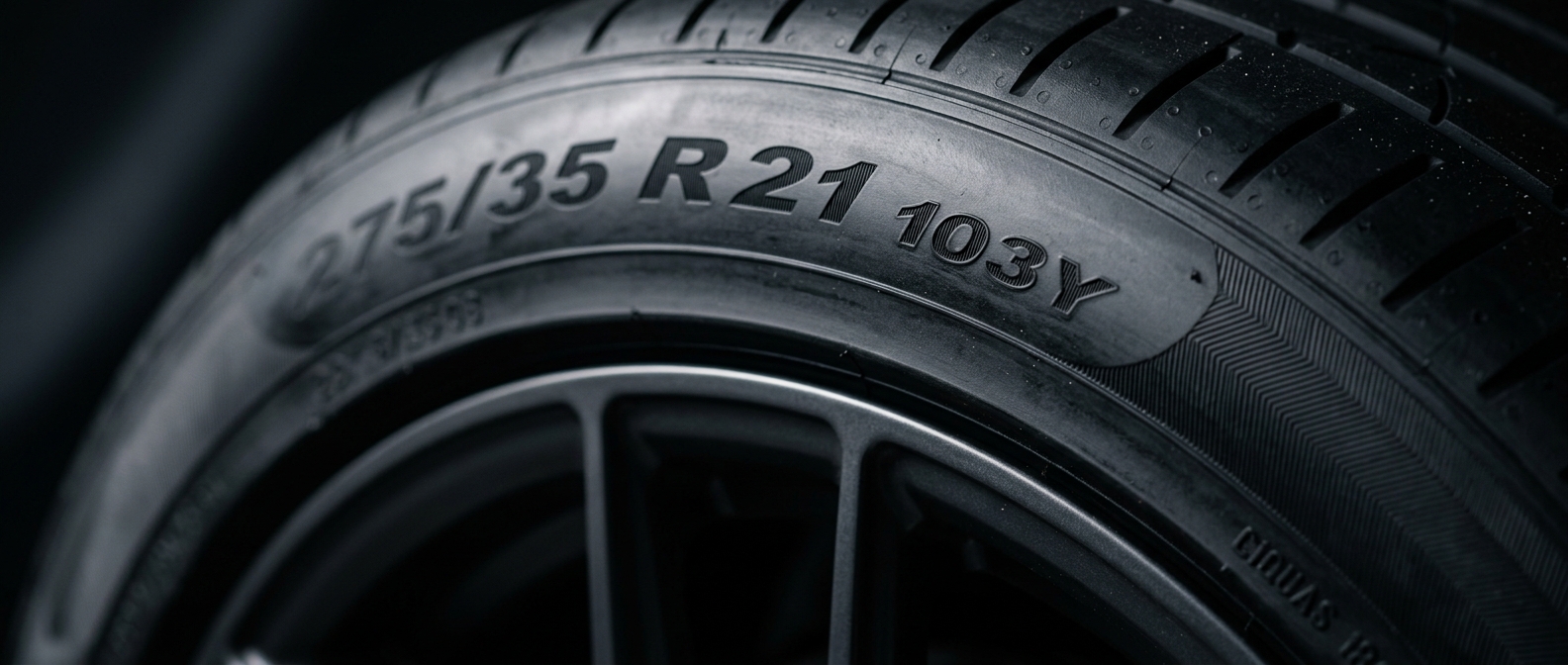
Plus-sizing (upsizing) is fitting a wheel one or two inches larger in diameter, then lowering the tyre’s aspect ratio so the assembly keeps close to the original rolling diameter. A “+1” is one inch up on the rim, “+2” is two inches up. A mid-size sedan might move from a 16-inch wheel with a 205/60 R16 to a 17-inch with 215/50 R17, or an 18-inch with 225/45 R18 — each step trading sidewall height for rim.
Sedans give you more to play with than a hatch: bigger arches, a longer wheelbase that rides better on shorter sidewalls, and often factory wheel-package options that already prove a larger size fits. The number you must protect is the rolling diameter — our guide to rolling diameter and your legal tyre size explains why, and aspect ratio explained covers the sidewall drop that comes with each inch.
What do you gain by plus-sizing a sedan?
A shorter, stiffer sidewall flexes less under cornering load, so steering feels sharper and more responsive and the car settles more quickly mid-corner. A wider tyre lays down a larger contact patch, helping dry grip and braking. And a set of larger wheels transforms how a sedan looks — filling the arches is the single most common reason owners upsize.
Because a sedan is heavier and longer than a hatch, its suspension can use the extra grip more usefully, and the longer wheelbase masks some of the ride penalty. If you want a genuine handling lift rather than just the look, a sedan rewards a well-chosen +1 or +2 more than a small hatch does. For an even sharper focus, see how the balance shifts in plus-sizing a sports car.
What do you give up?
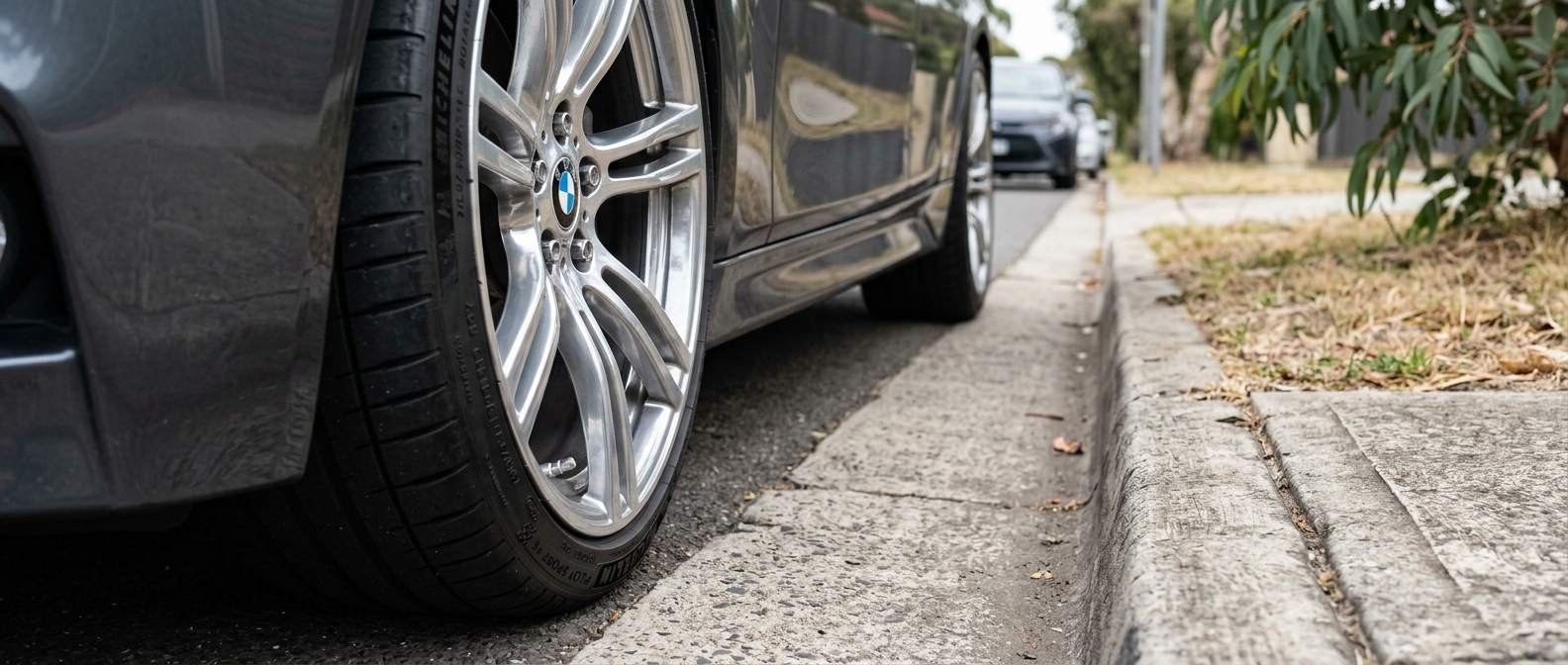
The sidewall is the tyre’s suspension, and shortening it removes cushioning the sedan used to rely on. Expect a firmer ride, more thump over expansion joints and potholes, and more road noise — the last one especially noticeable on a sedan, where a quiet cabin is often the point. If refinement is what you love about the car, upsize conservatively. If you want to keep it hushed, our pick of the best quiet tyres for a sedan matters more than the wheel size.
You also lose a little economy — heavier wheels and wider tyres mean more rolling resistance and drag — and you raise the risk of pothole and kerb damage, because a low-profile tyre gives the rim far less protection. A wider tyre that keeps the same overall diameter is the goal; getting the width right without rubbing is covered in fitting wider tyres on the same rim. Note that a plain plus-size is a same-size-all-round change; a wider rear only is a staggered setup, which brings its own rotation and spare complications.
What does it cost?
Larger, lower-profile tyres in performance sizes cost more than the sedan’s standard fitment, and less common sizes can mean special order in regional areas. A tyre that was around $150 a corner in the standard size can climb past $250–$300 a corner once you move to a wider 18-inch performance tyre, before fitting, balancing and alignment. See what it costs to fit bigger wheels and tyres for the full breakdown, and premium vs budget tyres for whether the dearer rubber is worth it.
Will plus-sizing throw out my speedo?
Only if you change the overall rolling diameter. The speedo counts wheel rotations against a fixed assumed circumference, so a larger overall diameter makes it read lower than your true speed (the dangerous direction, because you can speed unknowingly), while a smaller diameter makes it read high. Australian Design Rule 18/03 requires the speedo to never under-read, and to over-read by no more than 10% of true speed plus 4km/h. Keep the new package within a few millimetres of standard diameter and you stay legal. Run the numbers with how tyre size affects speedometer accuracy and speedo error after upsizing.
What are the legal limits in Australia?
Plus-sizing that keeps the rolling diameter close to standard is legal Australia-wide, within the tolerances in the National Code of Practice (VSB 14), applied through your state road authority.
| Factor | Passenger-car guide | Why it matters |
|---|---|---|
| Overall (rolling) diameter | Typically within about +15mm / −26mm of the largest factory option | Keeps speedo, ABS and ESC calibrated and preserves clearance |
| Track width increase | Up to about 25mm per side before certification is required | Wider wheels or aggressive offset push the tyre outward |
| Load index | At least equal to the placard rating | A lower-rated tyre is illegal and can overheat |
| Guard clearance | Tyre stays within the bodywork; no rubbing at full lock or compression | Rubbing fails a roadworthy and destroys tyres |
Treat these as a guide — exact tolerances and whether an engineer’s certificate is needed vary by state, so confirm with your state road authority first. See whether you need an engineer’s certificate for bigger wheels. The same rules scale up on heavier vehicles — compare with plus-sizing a hatchback and plus-sizing a medium SUV.
Does plus-sizing affect my car insurance?
Yes — aftermarket wheels and wider tyres are a modification, and Australian insurers expect modifications to be declared when you take out or renew cover. Skip that step and a claim involving the wheels, or sometimes the whole claim, can be reduced or refused and the policy cancelled. Declaring usually nudges the premium up a little because the wheels cost more to replace, but it keeps your cover intact. Update your insurer before you fit the wheels. Details are in whether changing wheel size voids your insurance.
Bottom line: A sedan takes to plus-sizing better than a hatch — the extra weight and longer wheelbase use the grip and hide some of the ride penalty. But you still trade comfort, quietness and a little economy, and you pay more per corner. Keep the rolling diameter near standard for a legal speedo, mind guard clearance and load rating, and tell your insurer. Do that and it is a worthwhile, reversible upgrade.
Frequently asked questions
Does plus-sizing make a sedan handle better?
It sharpens steering response and can improve grip thanks to the wider contact patch and stiffer sidewall. The gain is real on a sedan, though it comes with a firmer ride. Suspension tune and tyre quality matter as much as wheel size.
How much larger can I go on a sedan?
Most sedans handle a +1 or +2 fitment comfortably if the rolling diameter stays close to standard and the tyre clears the guards. Many already offer a larger wheel as a factory option, which is a good guide to what fits. Always check clearance at full lock and compression.
Will a lower-profile tyre ruin my sedan’s ride?
It will firm it up and let more road noise through, but a sedan’s longer wheelbase and heavier body absorb the change better than a small hatch. A +1 step is usually a fair balance; a +2 on very low profiles is where comfort drops off noticeably.
Do I need new tyres and an alignment when I plus-size?
Yes to both — a larger wheel needs a matching lower-profile tyre, and any wheel-and-tyre change should be followed by a wheel alignment so the tyres wear evenly and the car tracks straight.
Can I go back to standard later?
Yes. Keep your original wheels and tyres and you can revert any time, which is useful for resale or if the firmer ride stops suiting you. Many owners hold on to the factory set for that reason.
Figures for diameter tolerances, pricing and insurance are a guide based on sources current at the time of writing. Sizing rules, modification requirements and premiums change — confirm your specific fitment with your state road authority, a qualified tyre fitter and your insurer.

0 Comments