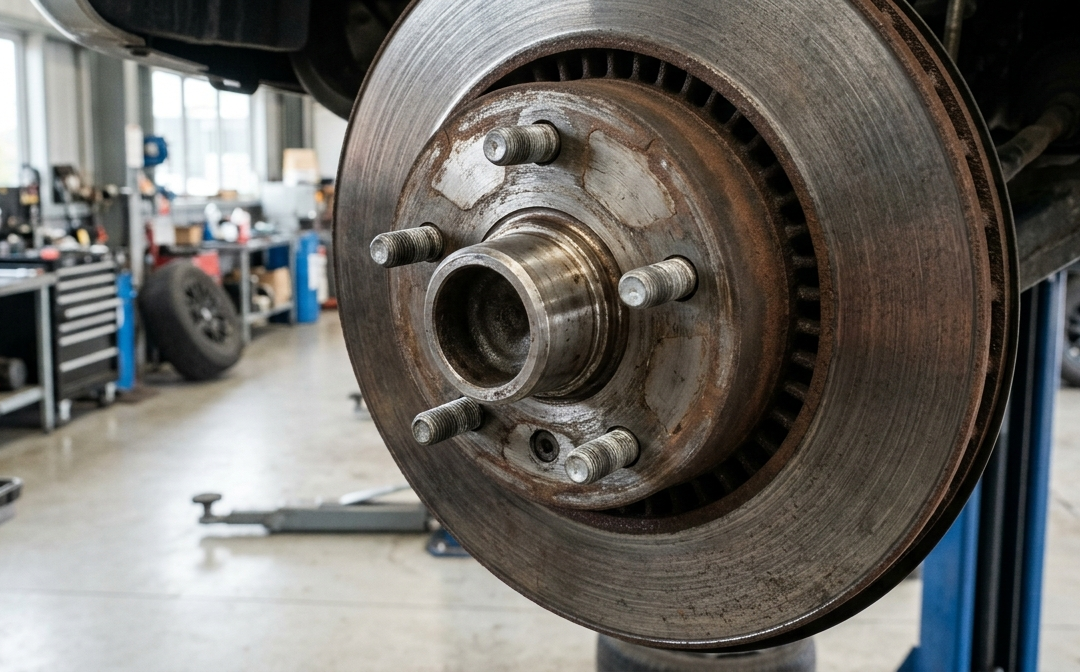
by admin | Oct 30, 2026 | Fitment and Sizing
What Is Hub-Centric vs Lug-Centric Fitment? Quick answer: Hub-centric wheels are centred by the vehicle’s hub, so the wheel sits perfectly concentric before the nuts go on. Lug-centric wheels are centred by the wheel nuts alone, with a larger centre bore....
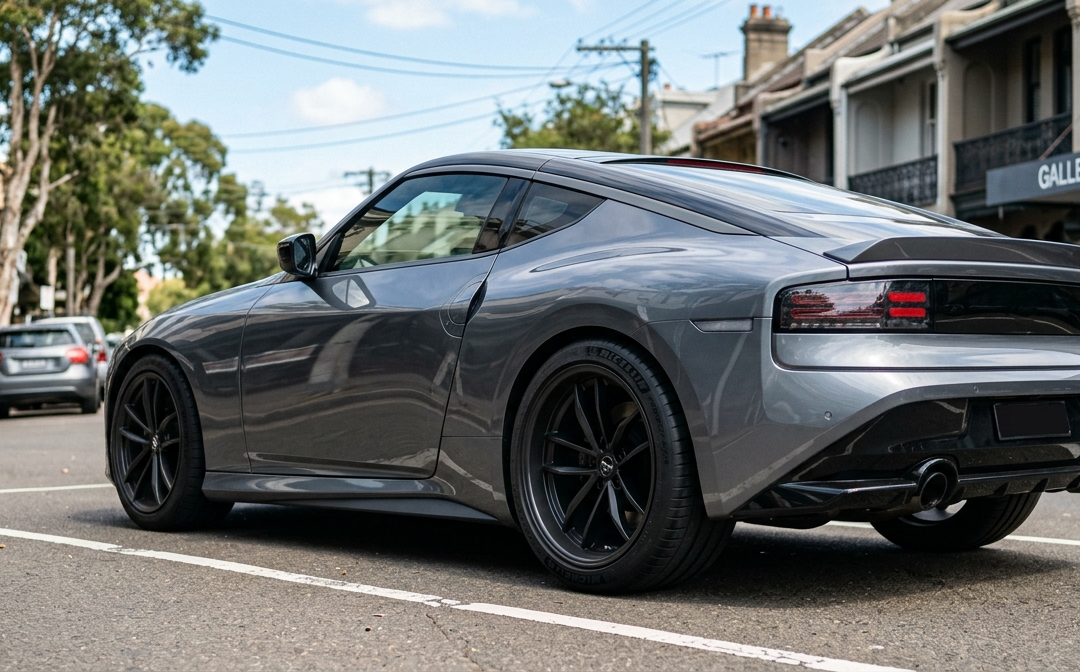
by admin | Oct 30, 2026 | Fitment and Sizing
Staggered Wheel Setups: What They Are and Who Should Run One Quick answer: A staggered wheel setup fits wider (sometimes larger-diameter) tyres and rims on the rear axle than the front. It’s built for powerful rear-wheel-drive cars that need extra rear traction...
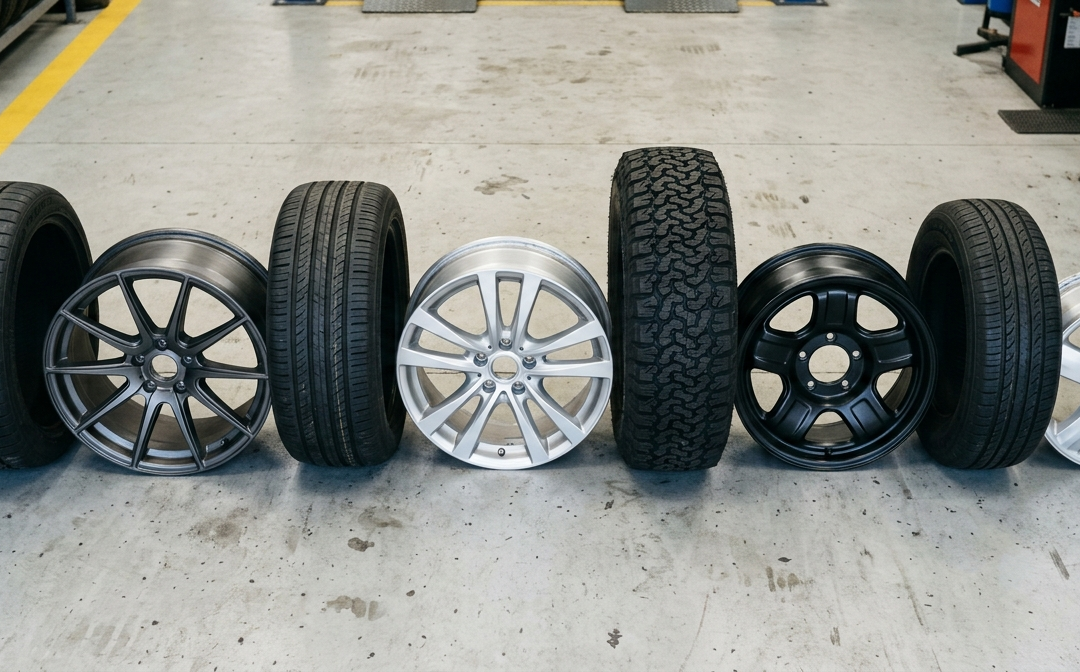
by admin | Oct 30, 2026 | Fitment and Sizing
Quick answer (TL;DR): A rim only suits a range of tyre widths, not one exact number. As a guide, rim width should sit at about 70–90% of the tyre’s section width. The chart below shows the minimum, ideal and maximum tyre width for each common rim size so you can...
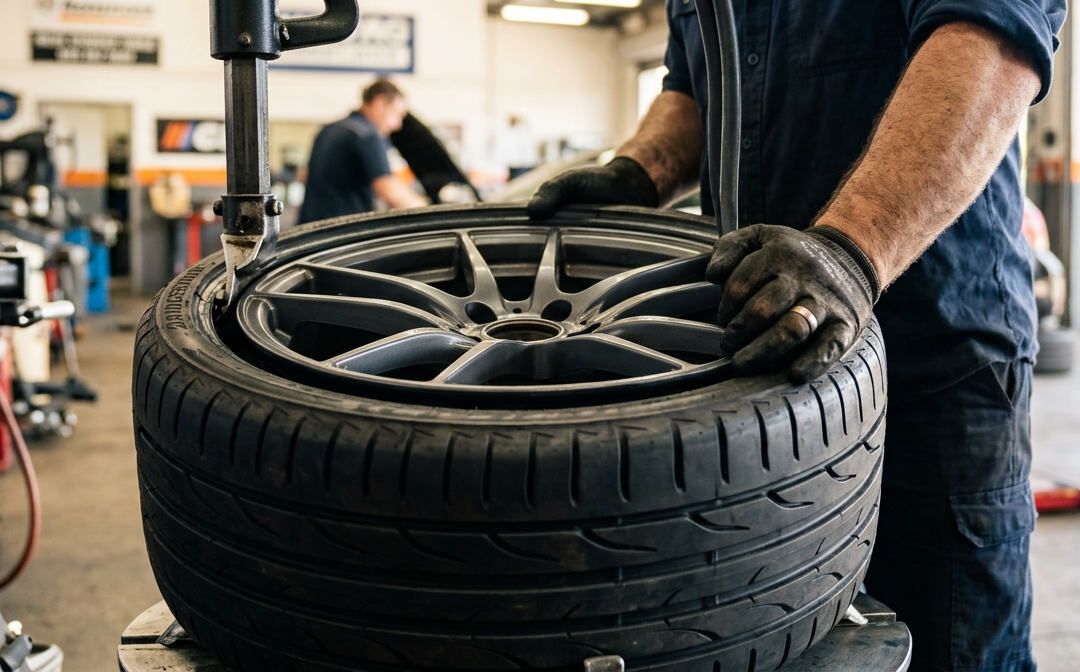
by admin | Oct 30, 2026 | Fitment and Sizing
Quick answer (TL;DR): Yes, you can usually fit a slightly wider tyre on the same rim, but only within the tyre and rim maker’s approved range. As a rule of thumb a rim safely accepts a tyre roughly 10–20mm either side of its “measuring” width. Go too...
by admin | Oct 30, 2026 | Fitment and Sizing
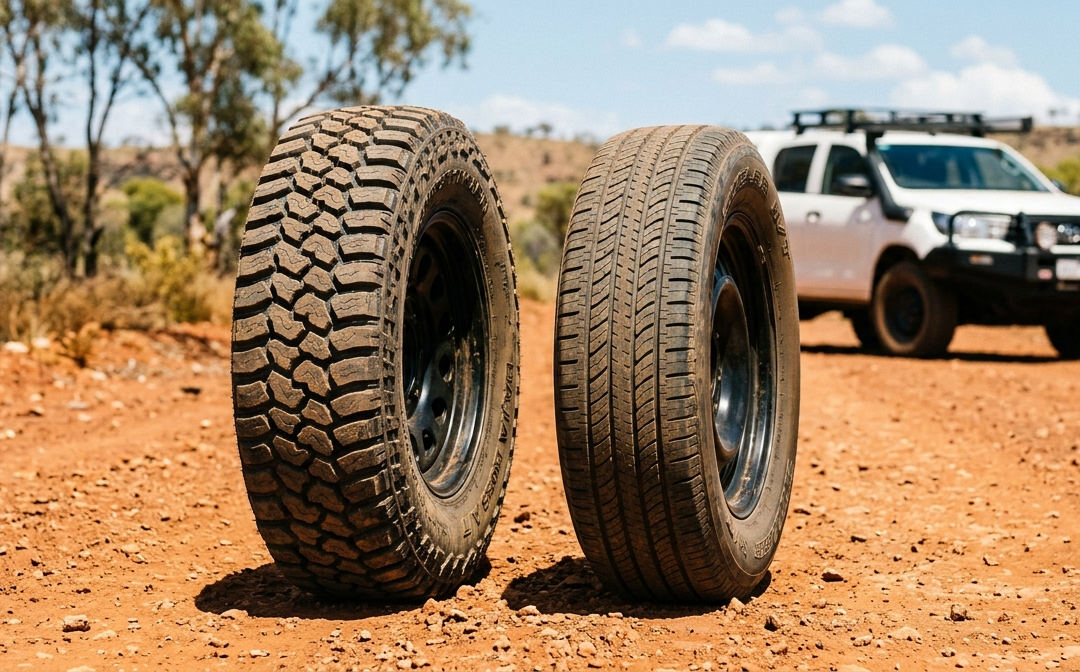
Quick answer: P-metric (passenger) tyres are built for comfort, quiet and fuel economy on sealed roads. LT (Light Truck) tyres use tougher, heavier construction for towing, load-carrying and off-road touring. In Australia the choice matters most for utes, 4WDs and...
by admin | Oct 30, 2026 | Fitment and Sizing
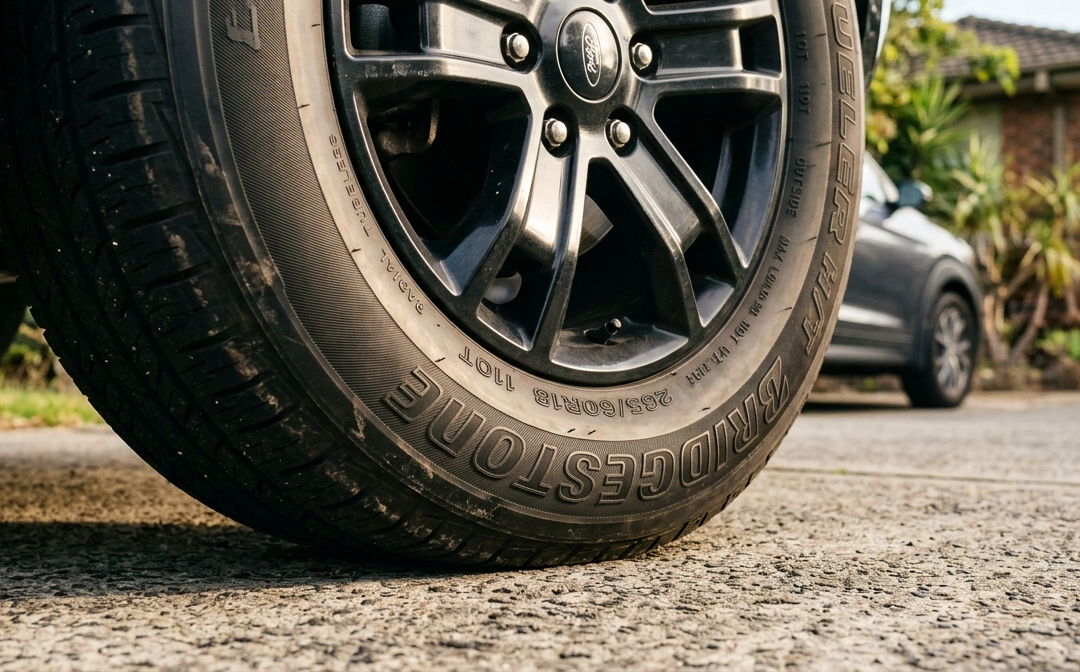
Quick answer: XL (Extra Load) tyres carry more weight than Standard Load (SL) tyres of the same size by running higher inflation pressure and a stronger casing. Fit XL only if your car’s tyre placard specifies it or an XL load index — most heavy SUVs, EVs and...
by admin | Oct 30, 2026 | Fitment and Sizing
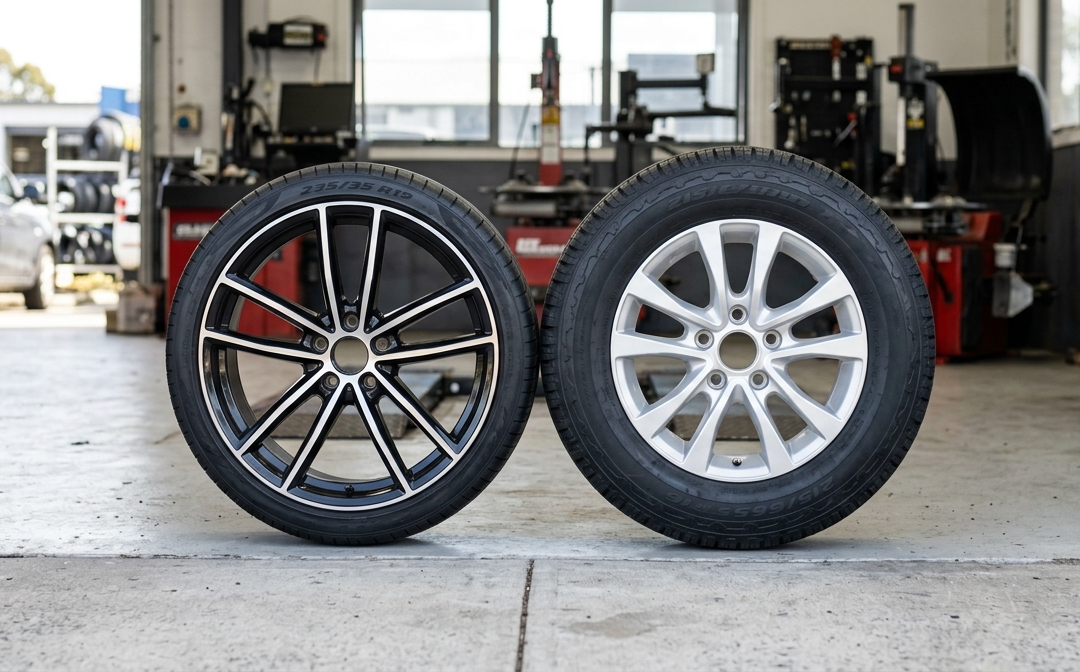
TL;DR: Aspect ratio is the middle number in a tyre size — the sidewall height as a percentage of the tread width. A lower number (a lower profile) sharpens steering and cornering but rides harder, picks up more road noise, and is far easier to damage on...
by admin | Oct 30, 2026 | Fitment and Sizing
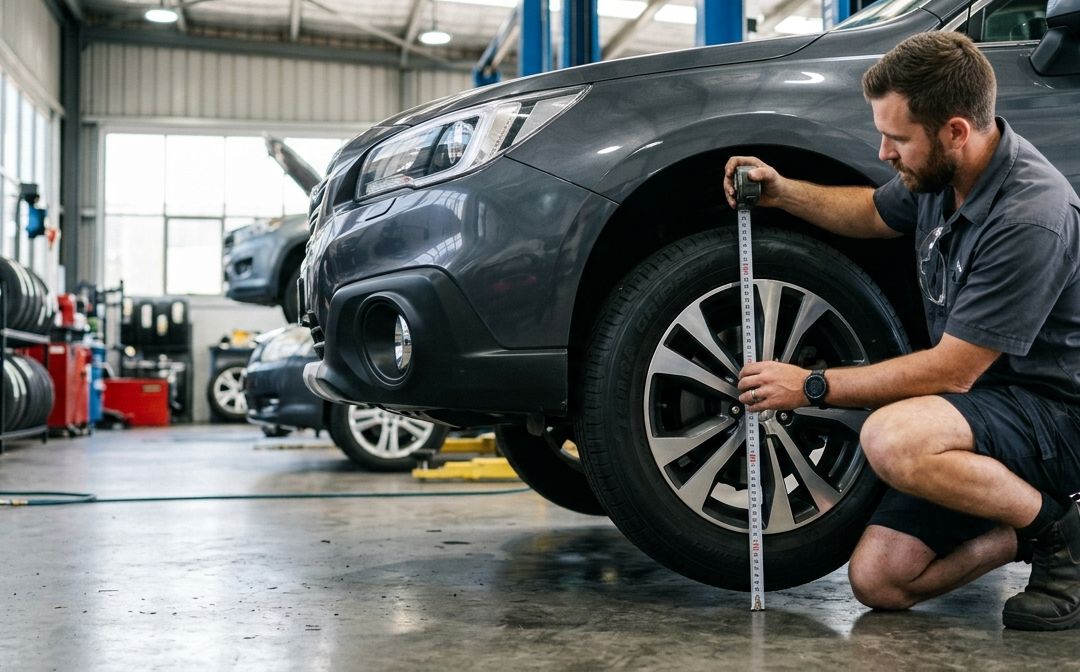
TL;DR: Rolling diameter is the effective distance your tyre travels in one full revolution. It decides whether a new tyre size is legal in Australia, because Vehicle Standards Bulletin 14 (VSB 14) allows a replacement passenger-car tyre to sit no more than 15 mm...
by admin | Oct 30, 2026 | Australian Legality and Compliance
TL;DR: Australian Design Rules (ADRs) are the national safety standards every tyre and wheel must meet when a vehicle is built or imported — mainly ADR 23 for passenger-car tyres and ADR 42 for tyre-and-rim selection and the tyre placard. Once your car is on the road,...
by admin | Oct 30, 2026 | Australian Legality and Compliance
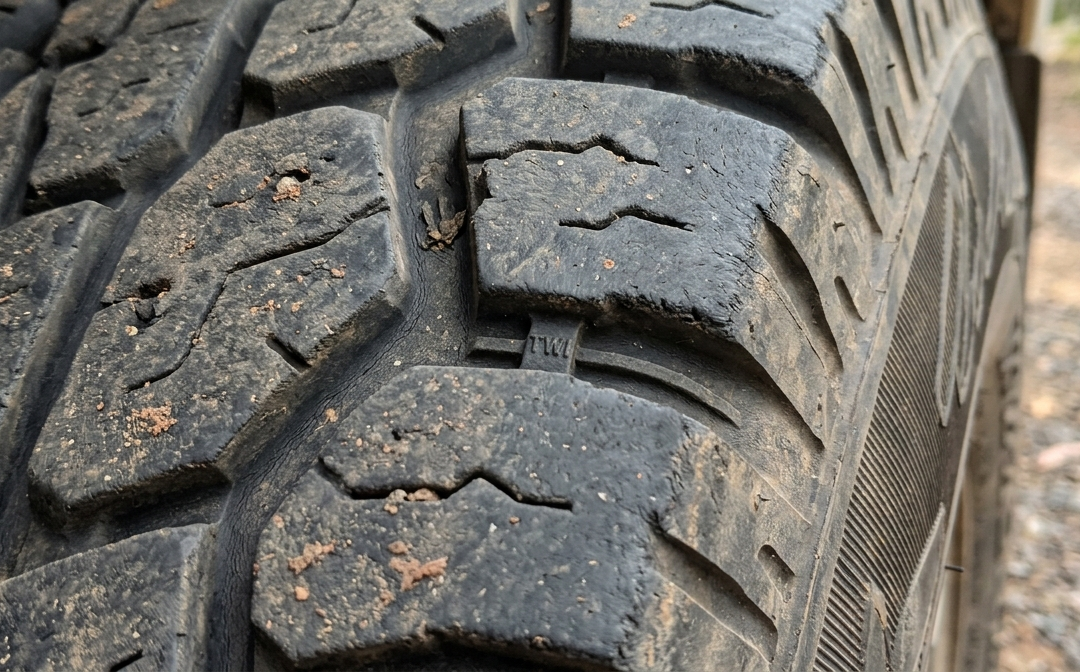
Australian English. Figures current as a guide for 2026 — always confirm inspection rules and penalties with your state or territory road authority. What are tyre wear indicators and what do they mean? TL;DR: Tyre wear indicators (TWIs) are small raised rubber bars...