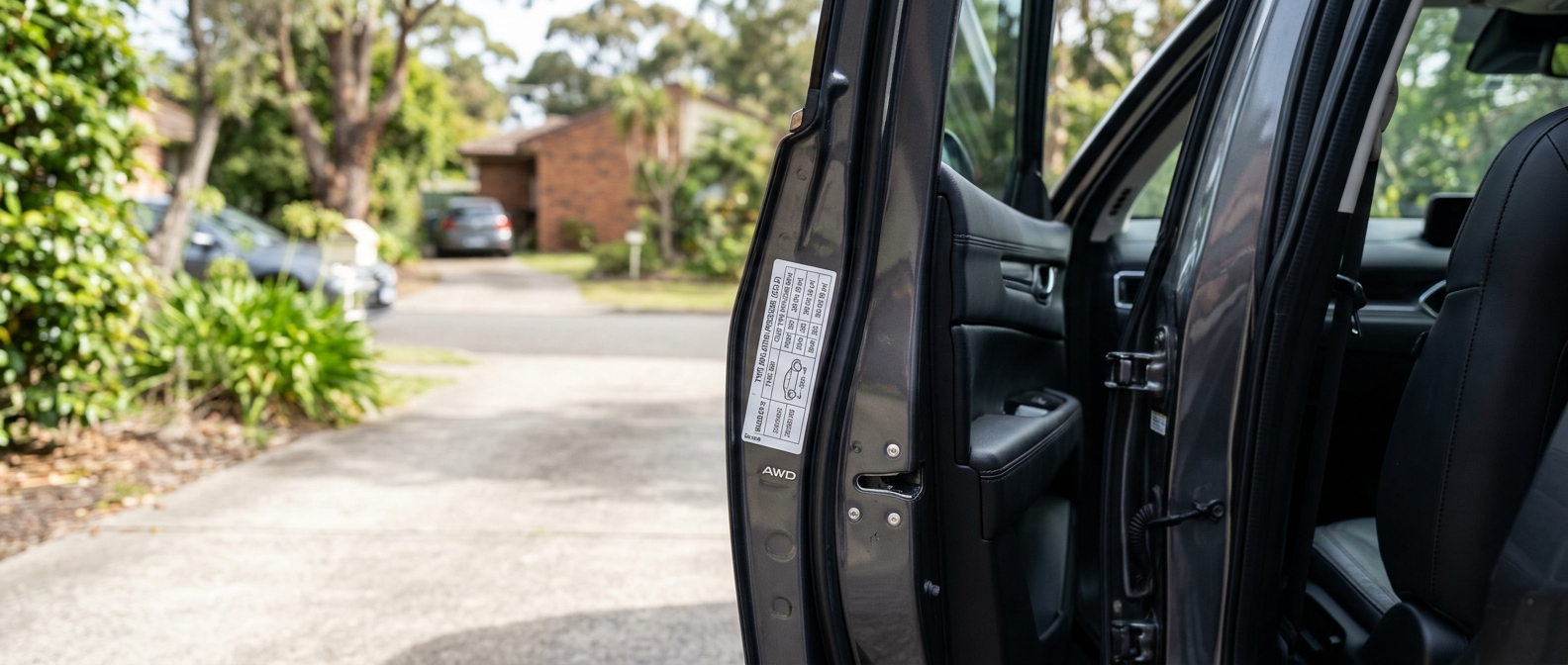
What is a tyre placard?
Every vehicle sold new in Australia must carry a tyre placard under the Australian Design Rules. It’s the manufacturer’s official statement of which tyres and pressures suit the car — worked out from the vehicle’s weight, handling, braking and fuel targets. It’s the single most reliable reference for your tyres, more authoritative than any tyre shop’s guess or a number you saw online.
Where is the tyre placard located?
Placement varies by make, but check these spots in order:
- Driver’s door jamb — the most common location, visible when the door is open, on the B-pillar or the door edge.
- Inside the fuel filler flap — common on many European and some Japanese cars.
- Glovebox lid or edge — often on older vehicles.
- Owner’s manual — always lists the same figures if the label is missing or worn.
If your car has been fitted with non-standard wheels, the original placard may no longer match what’s on the car — more on that below.
What information is on the placard?
A typical Australian placard shows:
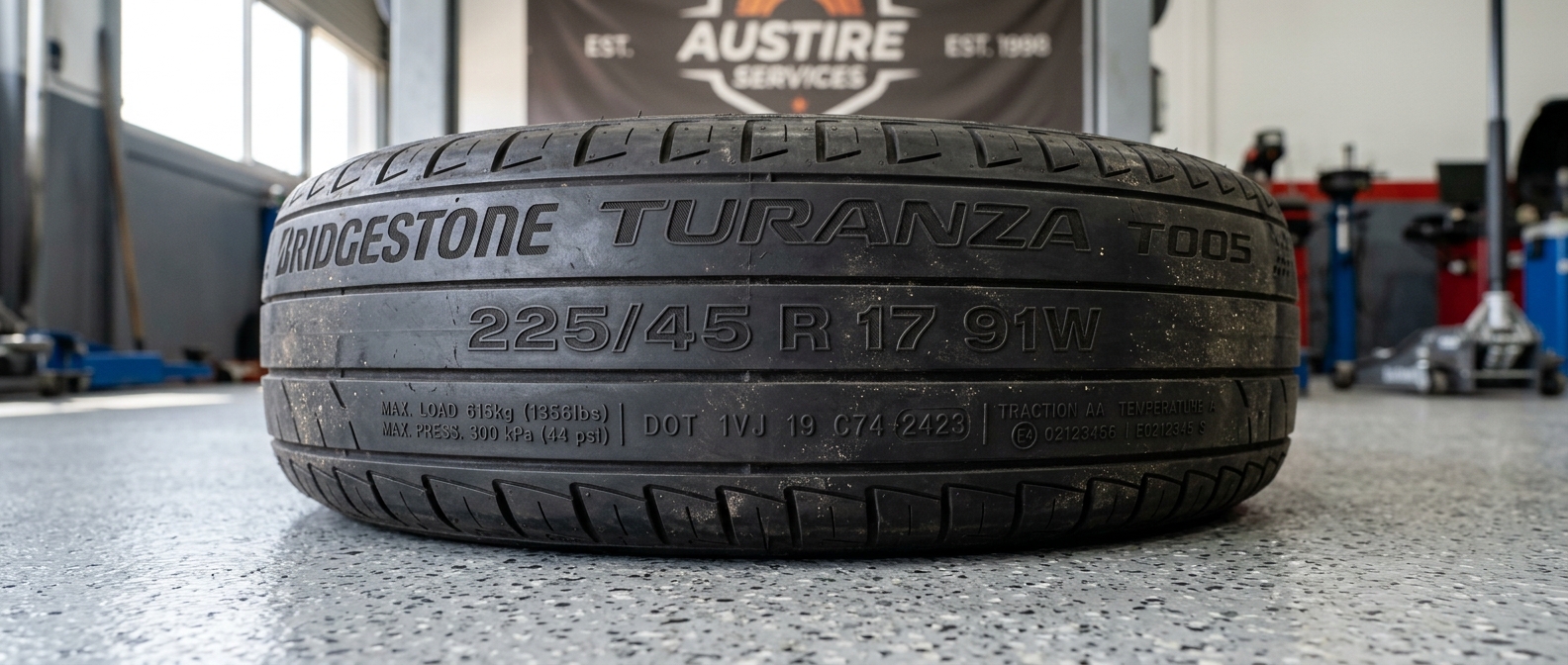
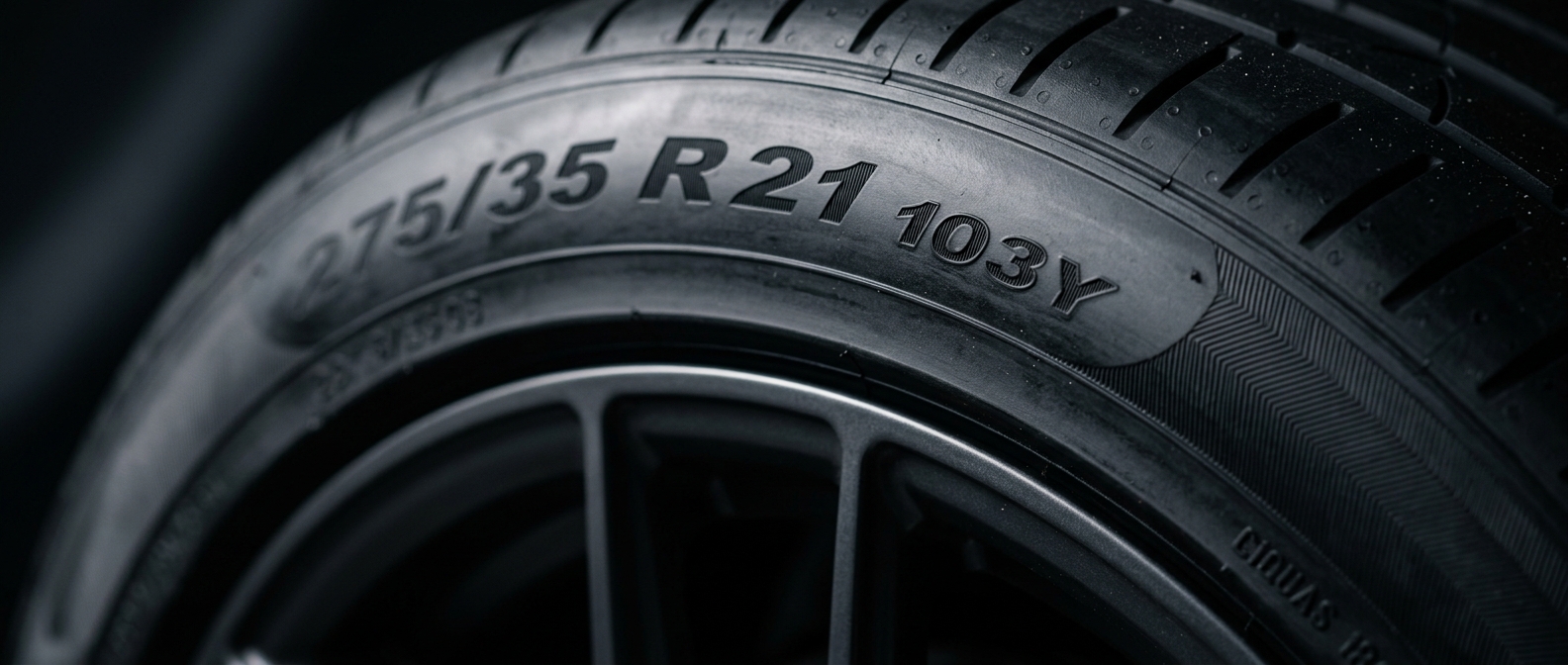
- Tyre size(s) — front and rear, using the same code you’ll find on the sidewall (e.g. 215/60R16). Learn to decode it in our guide on how to read a tyre sidewall.
- Recommended cold inflation pressures — usually in kPa, sometimes with psi. “Cold” means before you’ve driven far.
- Separate “normal” and “loaded” pressures — many placards give a higher pressure for when the car is fully loaded with passengers and luggage.
- Space-saver spare pressure — often much higher (commonly around 420 kPa / 60 psi). See the spare tyre pressure everyone forgets.
kPa or psi — which is my placard using?
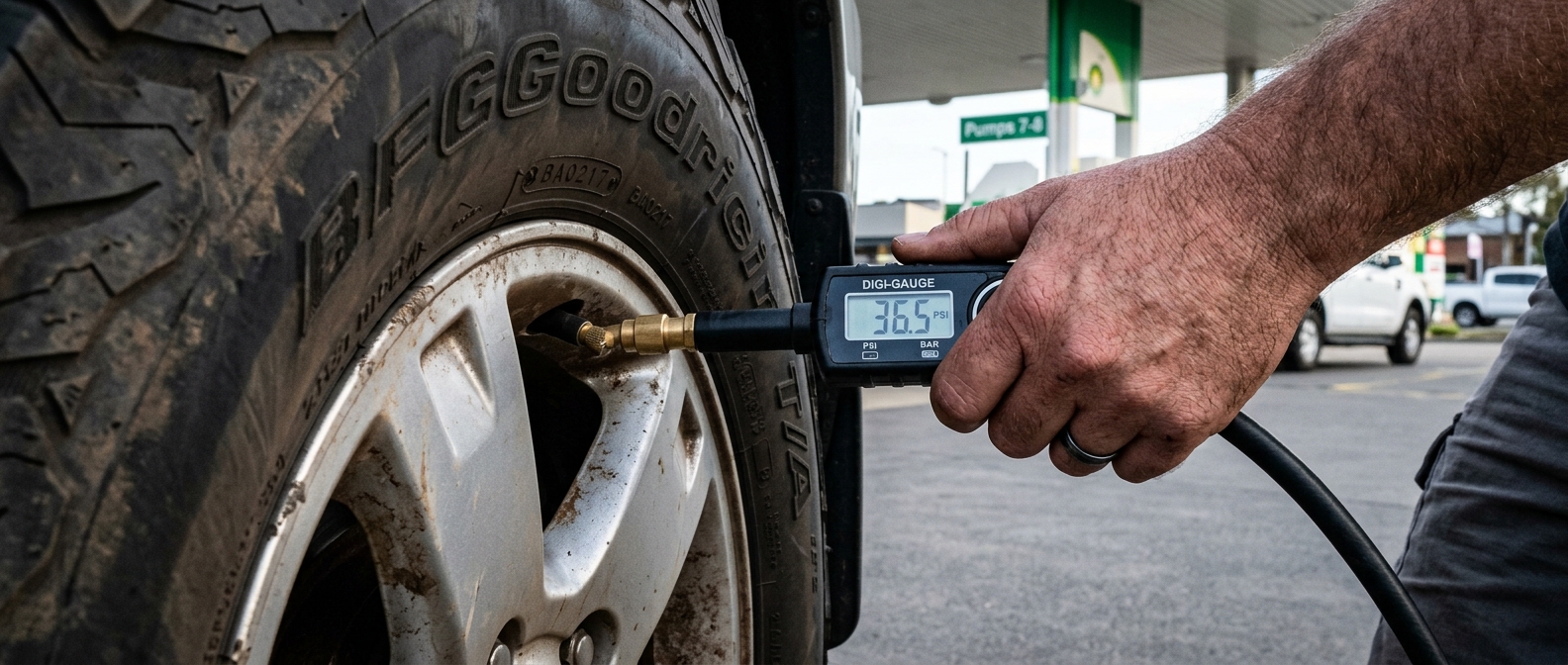
Most modern Australian placards state pressure in kilopascals (kPa), while many servo air pumps read in psi. To convert, divide kPa by roughly 6.9 (or multiply psi by 6.9). For example, 220 kPa ≈ 32 psi, and 250 kPa ≈ 36 psi. Set pressures cold, because driving heats the air and raises the reading — see cold vs hot tyre pressure.
| kPa | ≈ psi |
|---|---|
| 200 | 29 |
| 220 | 32 |
| 240 | 35 |
| 260 | 38 |
| 280 | 41 |
When should you follow the placard exactly?
For everyday driving — commuting, school runs, normal loads — the placard’s standard pressure is the right answer. It balances grip, wear, comfort and fuel economy for your specific car. Don’t drop below it to soften the ride, and don’t inflate to the sidewall maximum thinking more is better; that’s the tyre’s ceiling, not your target. Our guide on placard pressure vs sidewall maximum explains why.
When should you “ignore” the placard — or adjust from it?
“Ignore” is really “adjust upward with good reason.” The main cases:
- Carrying a heavy load or full car — use the placard’s “loaded” pressure if listed, or add pressure per the manufacturer’s guidance. See tyre pressures for a fully loaded family road trip.
- Towing — a caravan or trailer adds weight and heat; rear pressures usually need to go up. See tyre pressures for towing a caravan.
- Off-road or beach driving — here you deliberately go below placard pressures for traction on sand or corrugations, then reinflate for the bitumen. See correct tyre pressures for sand driving.
- You’ve legally changed tyre size — after a compliant plus-size or upsize, the original placard’s pressures may no longer be correct for the new tyre. A tyre professional can advise the right pressure for the new size, and in some cases a second compliance placard is required.
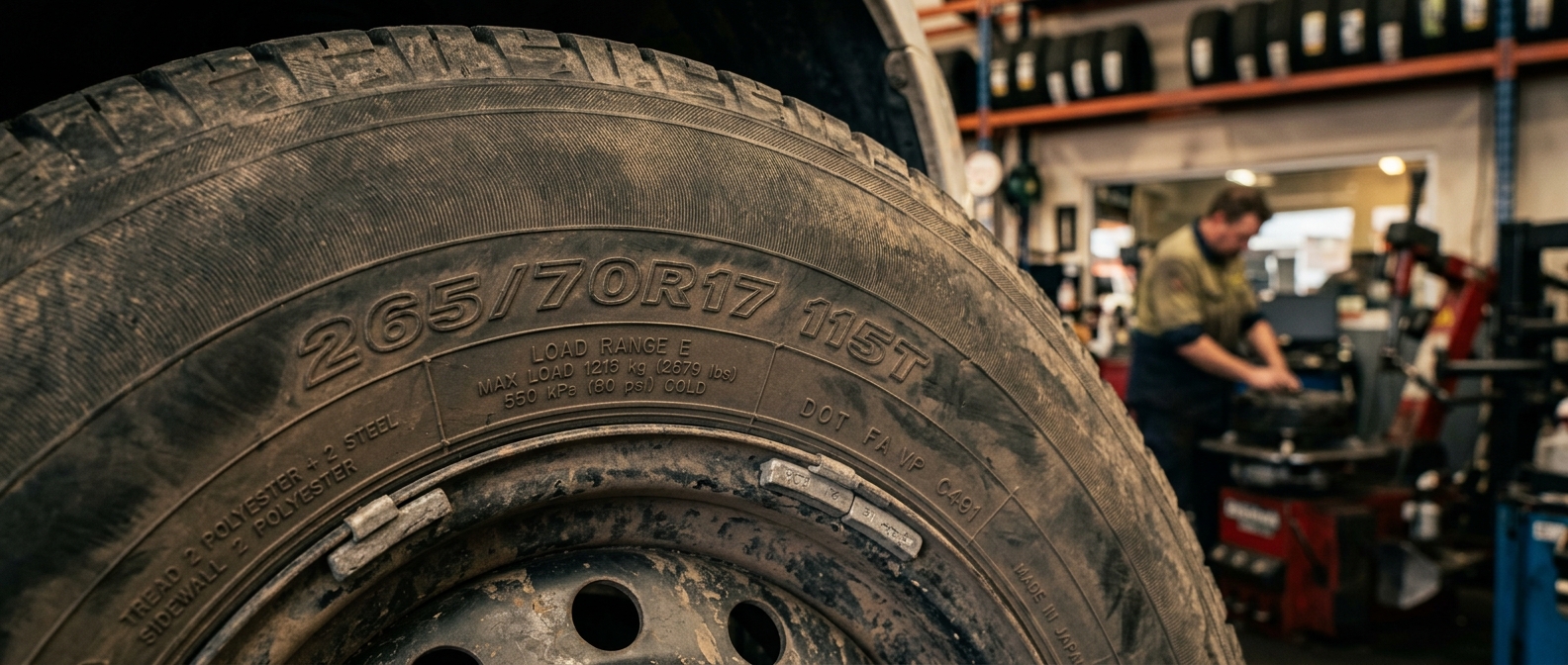
What you should not do is ignore the placard’s tyre size, load index and speed rating requirements. Fitting tyres that don’t meet those can make the vehicle unroadworthy — see what happens if you fit the wrong load rating tyres.
What if the placard doesn’t match the tyres on my car?
This is common on used cars with aftermarket wheels or a previous owner’s tyre choice. The safest approach: confirm the vehicle’s original specification (placard or owner’s manual), then check whether the fitted size is a legal alternative. If you bought the car used and aren’t sure, our guide on finding the original tyre size for a used car walks through it. If wheels have been upsized, also check whether the change is compliant in your state.
Bottom line
Treat the placard as your default for tyre size and cold pressures — it’s the manufacturer’s tuned specification and it’s required by the ADRs. Adjust pressures upward for heavy loads and towing, downward only for off-road situations you’ll reverse afterwards, and never drop below the placard’s tyre size, load or speed ratings.
Frequently asked questions
Where is the tyre placard on my car?
Most often the driver’s door jamb; also the fuel filler flap or glovebox. The owner’s manual lists the same figures if the label is missing.
Should I use the placard pressure or the pressure on the tyre?
The placard. The number on the tyre sidewall is the maximum the tyre can hold, not your recommended pressure.
My placard is in kPa but the servo pump is in psi — what do I do?
Convert: divide kPa by about 6.9. For example, 240 kPa is about 35 psi.
Do I need to change pressures for a road trip?
If the car is heavily loaded, yes — use the “loaded” pressure on the placard or add pressure per the manufacturer’s guidance, and set it cold.
Is the placard still valid if I’ve fitted different wheels?
The size may no longer match. Confirm the fitted tyres are a legal alternative and get professional advice on the correct pressure for the new size.
Pressure figures are examples; always use the specific values on your own vehicle’s placard or in its owner’s manual, and set pressures when the tyres are cold.

0 Comments