Learn how to read a tyre sidewall in plain English — size, load index, speed rating and the DOT date code decoded for Australian drivers, with charts.
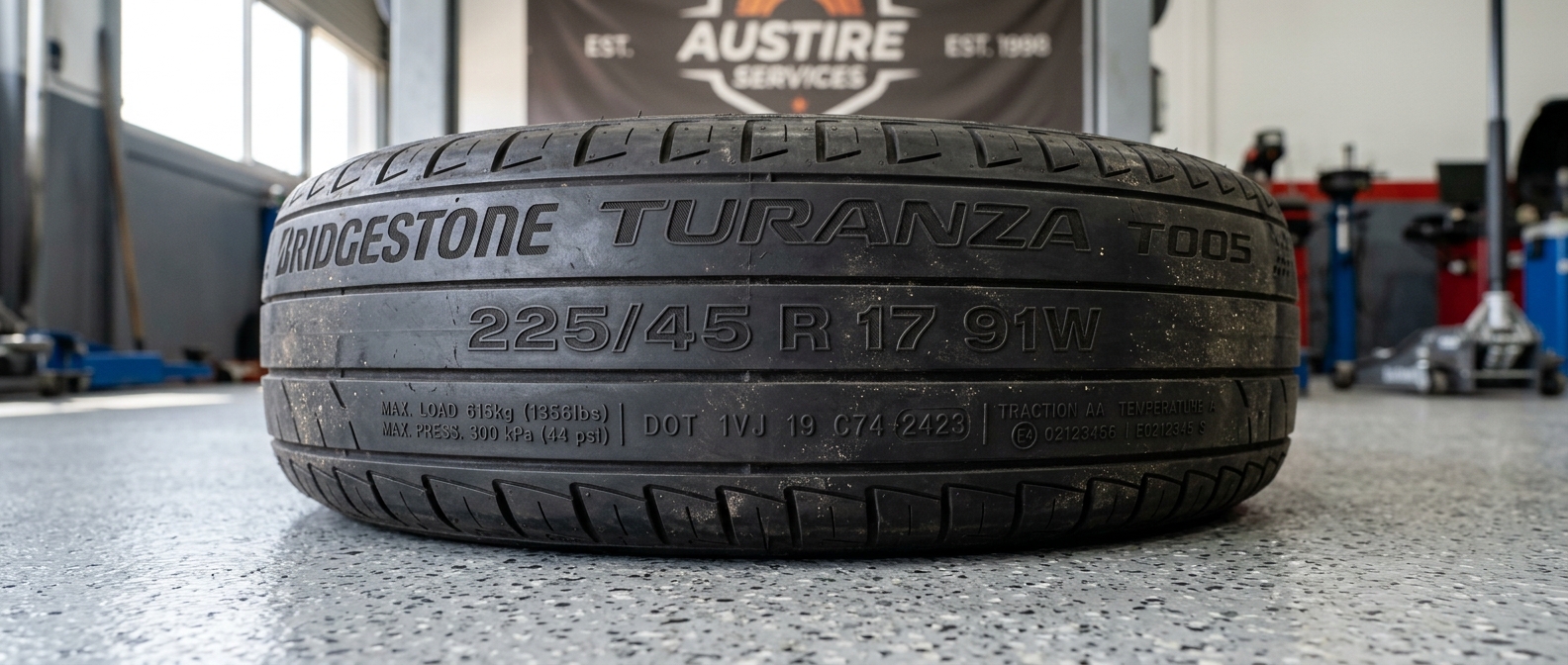
How to Read a Tyre Sidewall: Every Number and Letter Decoded
read more...
Learn how to read a tyre sidewall in plain English — size, load index, speed rating and the DOT date code decoded for Australian drivers, with charts.
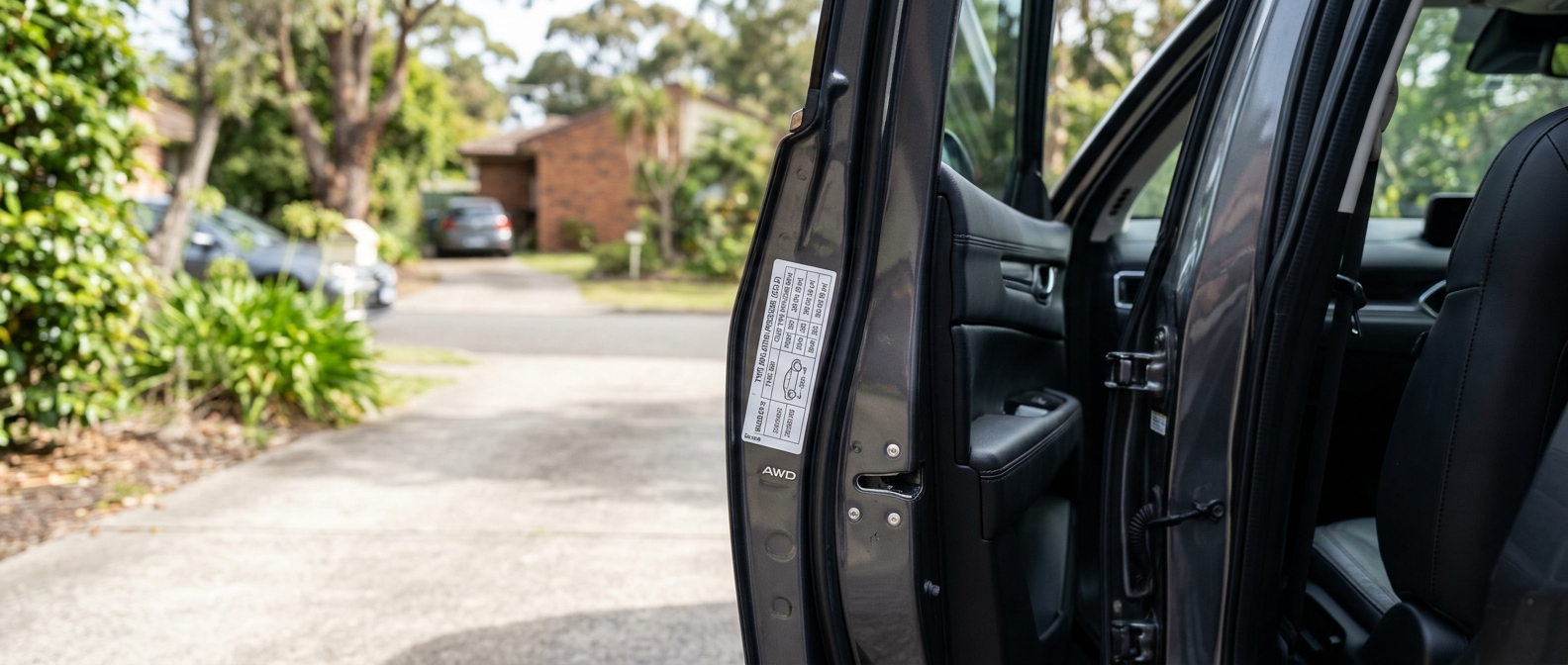
Where to find your car’s tyre placard, how to read its sizes and pressures, kPa-to-psi conversions, and the few times it’s safe to adjust from it.
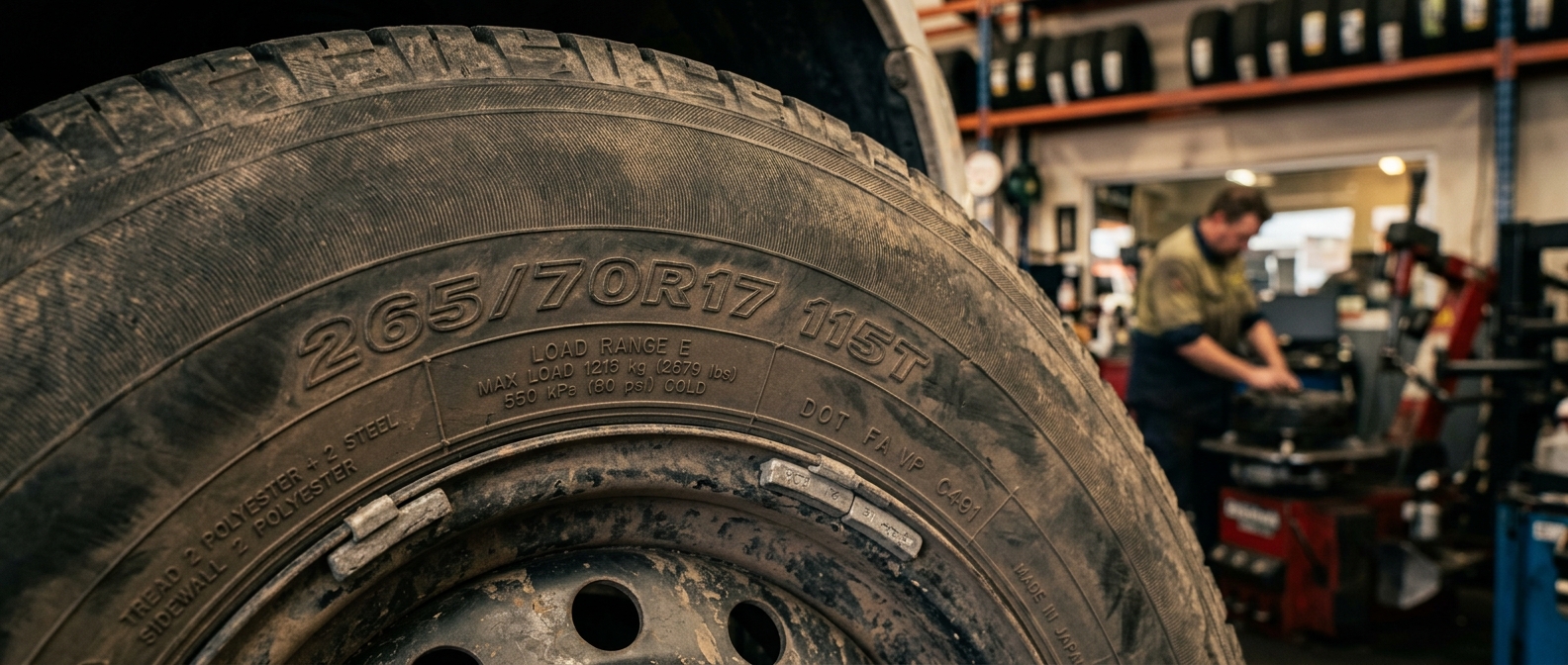
Tyre load index chart for Australian vehicles: what the number means in kilograms, typical car, SUV and ute ratings, and why you must match your placard.
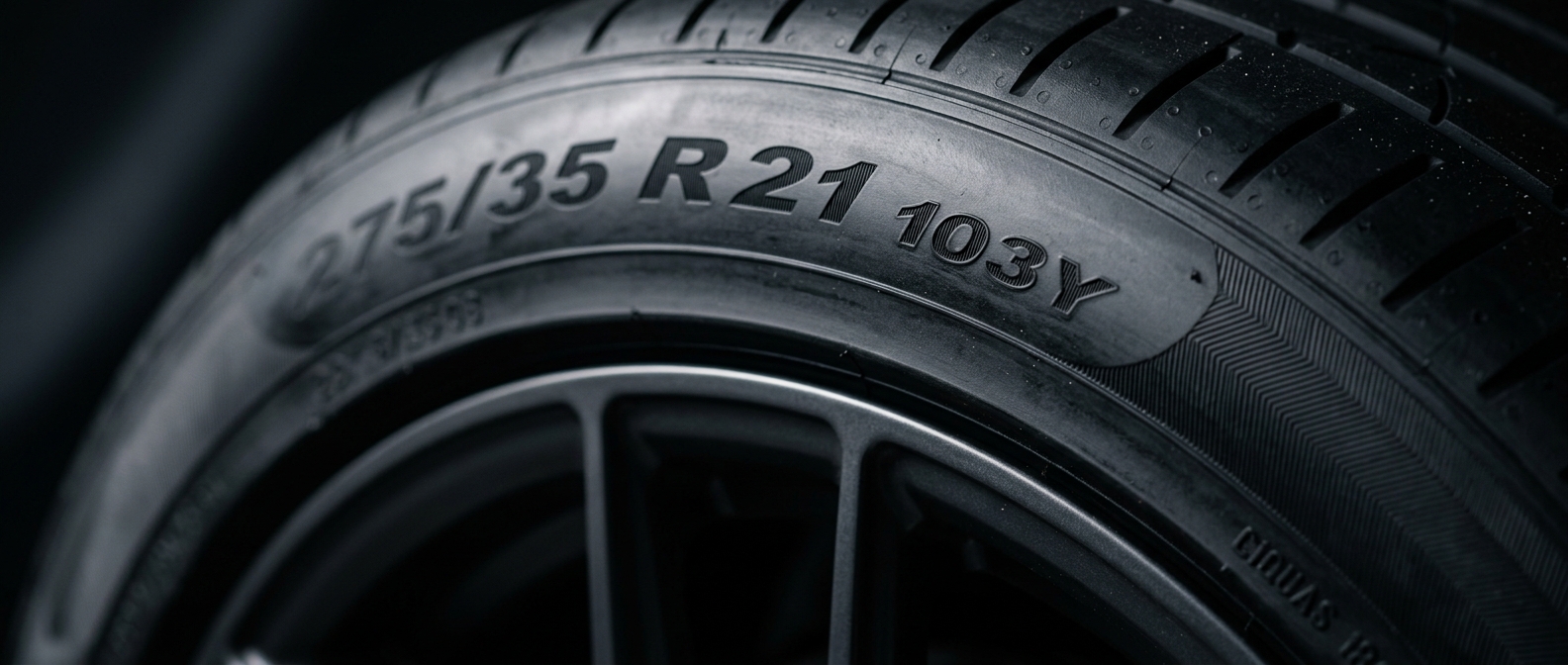
Tyre speed rating chart for Australia: what each letter means in km/h, the ratings your car needs, and why you can go higher than your placard but never lower.
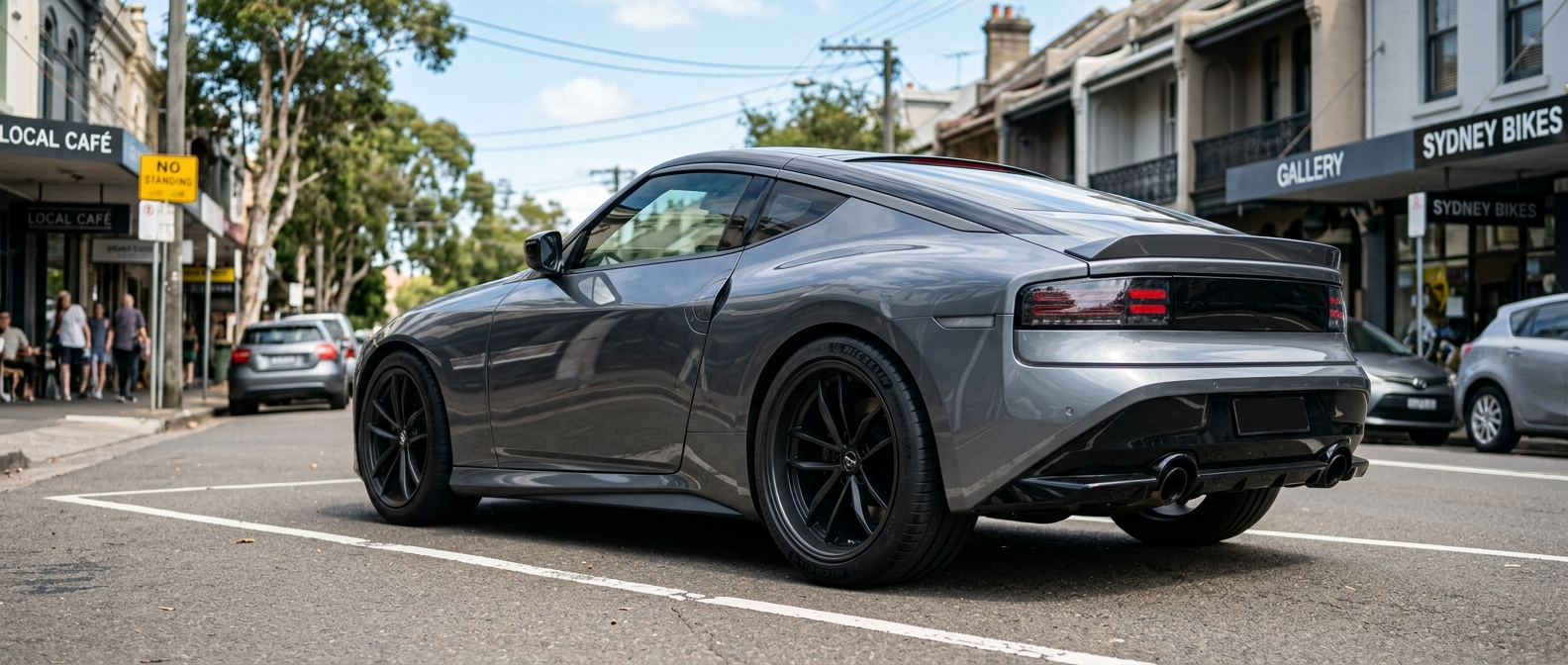
Staggered wheel setups run wider rear tyres than front. Here’s how they work, which Australian cars suit them, and the rotation and cost traps to avoid.
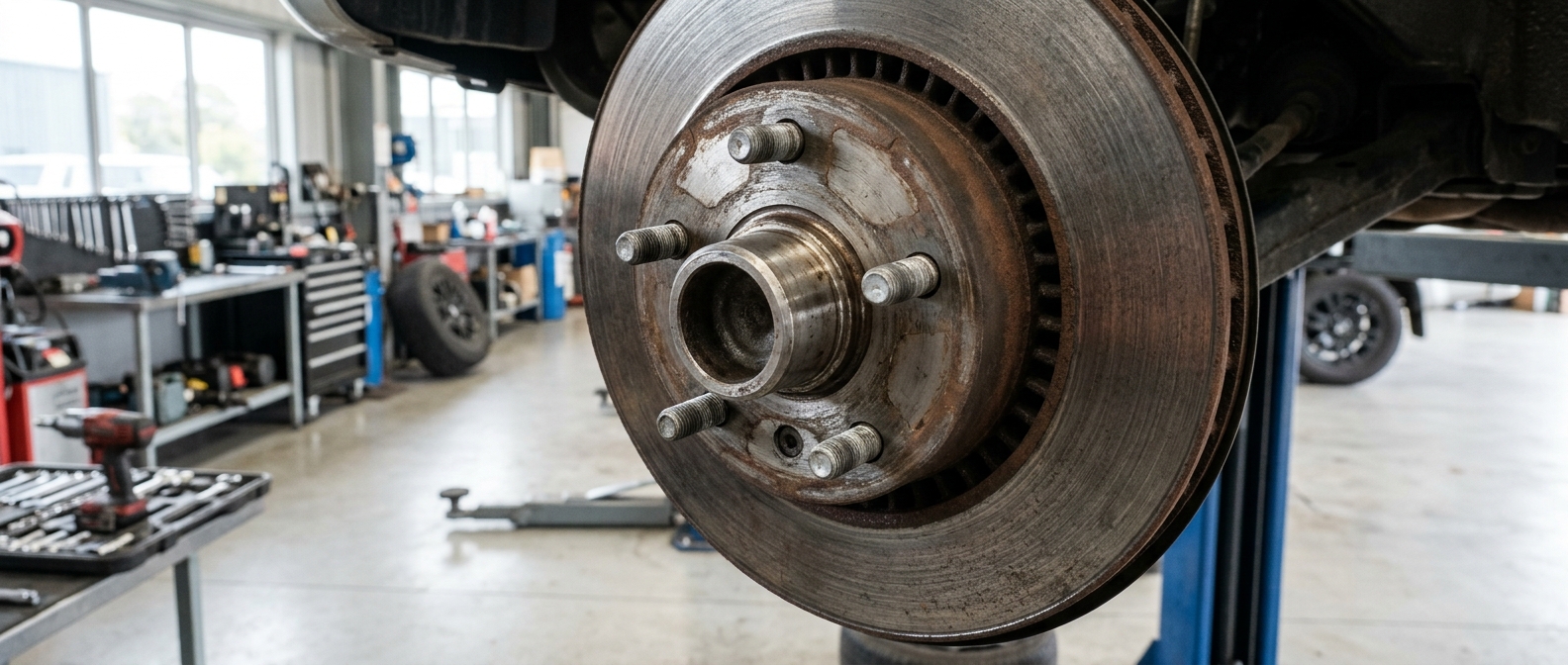
Hub-centric wheels are centred by the hub; lug-centric wheels by the nuts. Here’s the difference, why aftermarket wheels vibrate, and when you need rings.
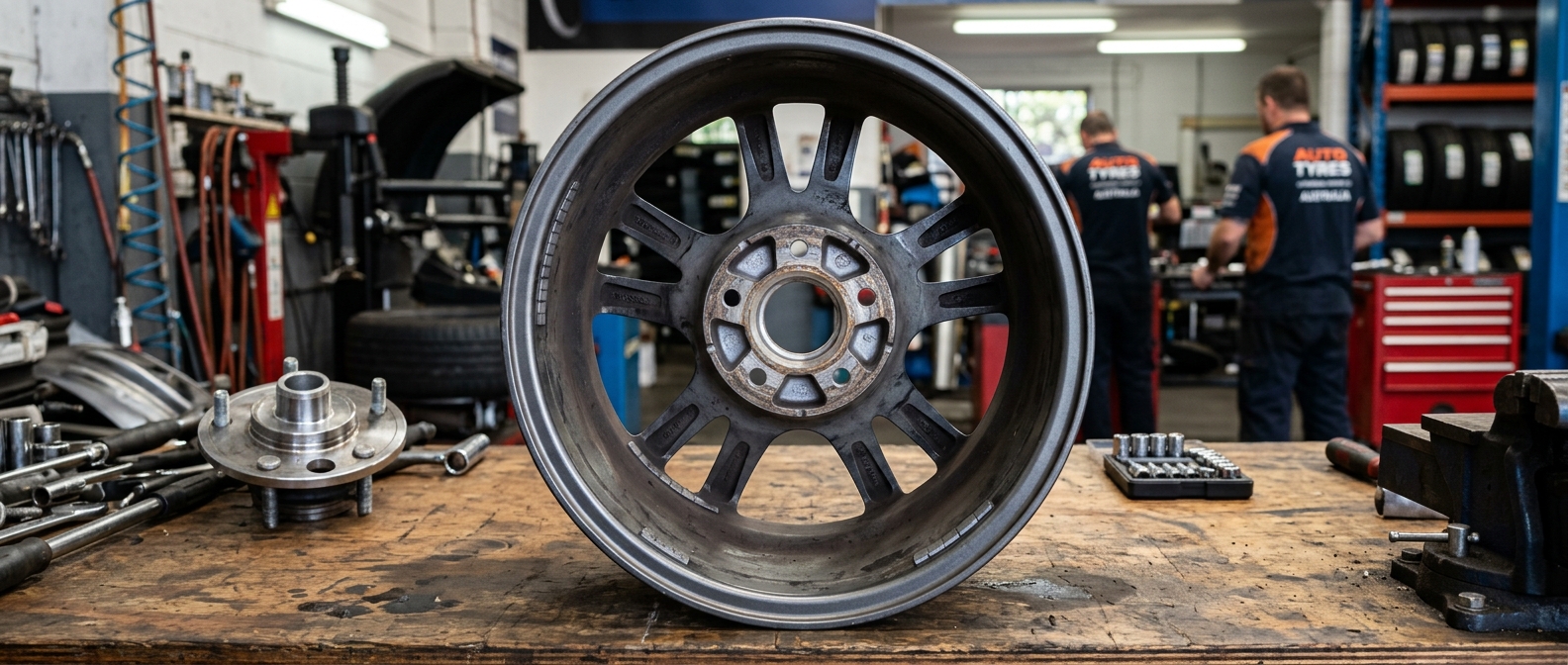
Centre bore is the hole behind your wheel that sits on the hub. Get it wrong and your new wheels vibrate at highway speed. Here’s how it works in Australia.
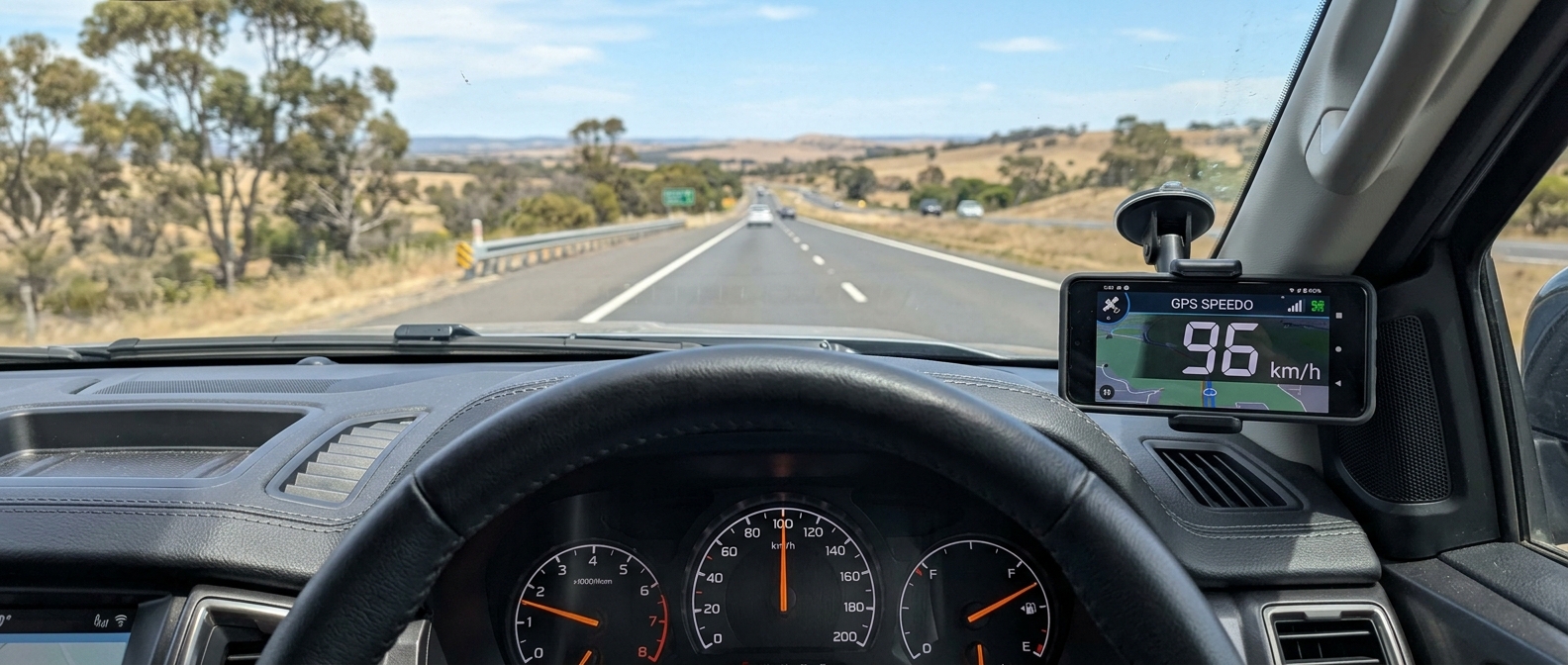
Fit bigger or smaller tyres and your speedo lies. Here’s exactly how tyre size changes your speedometer reading in Australia, the ADR rules, and the safe limits.
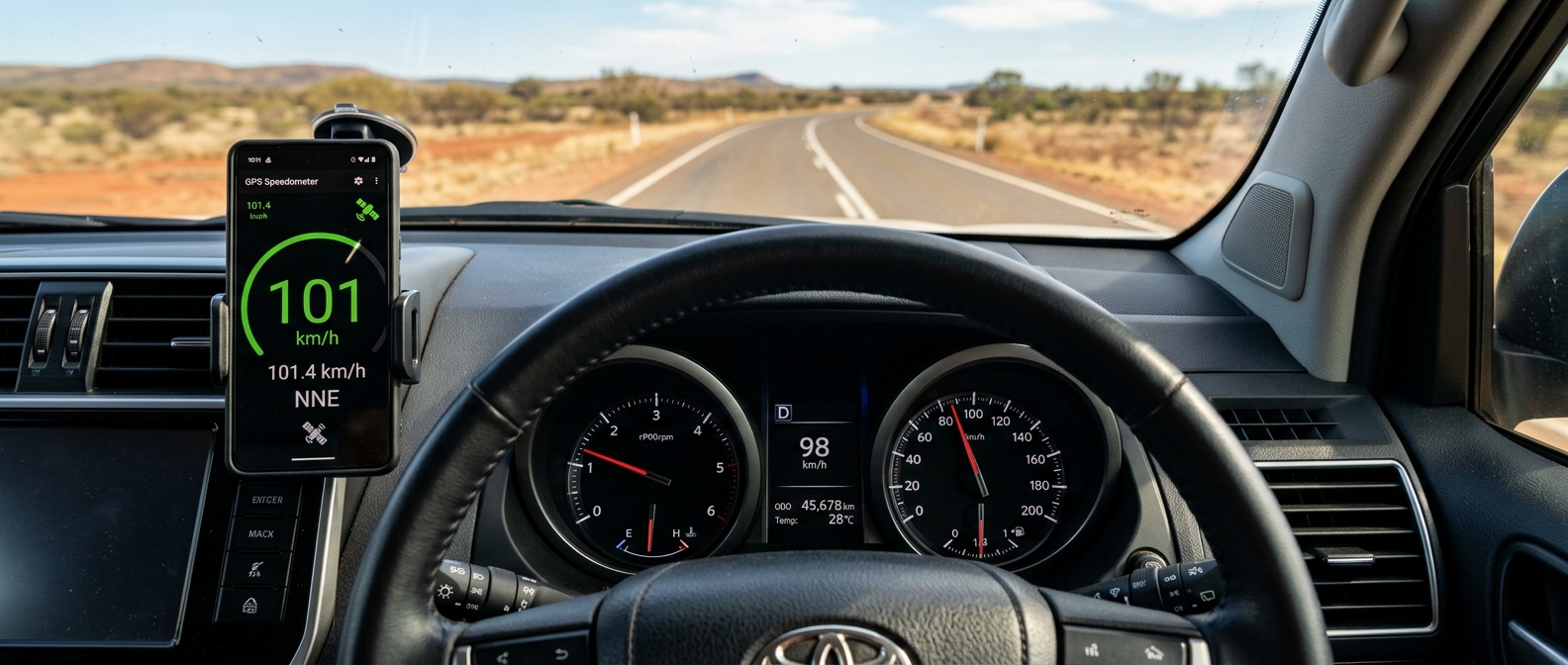
Bigger tyres make your speedo read low, so you can be speeding without knowing. Here’s how much upsizing is too much in Australia, plus the legal diameter limits.