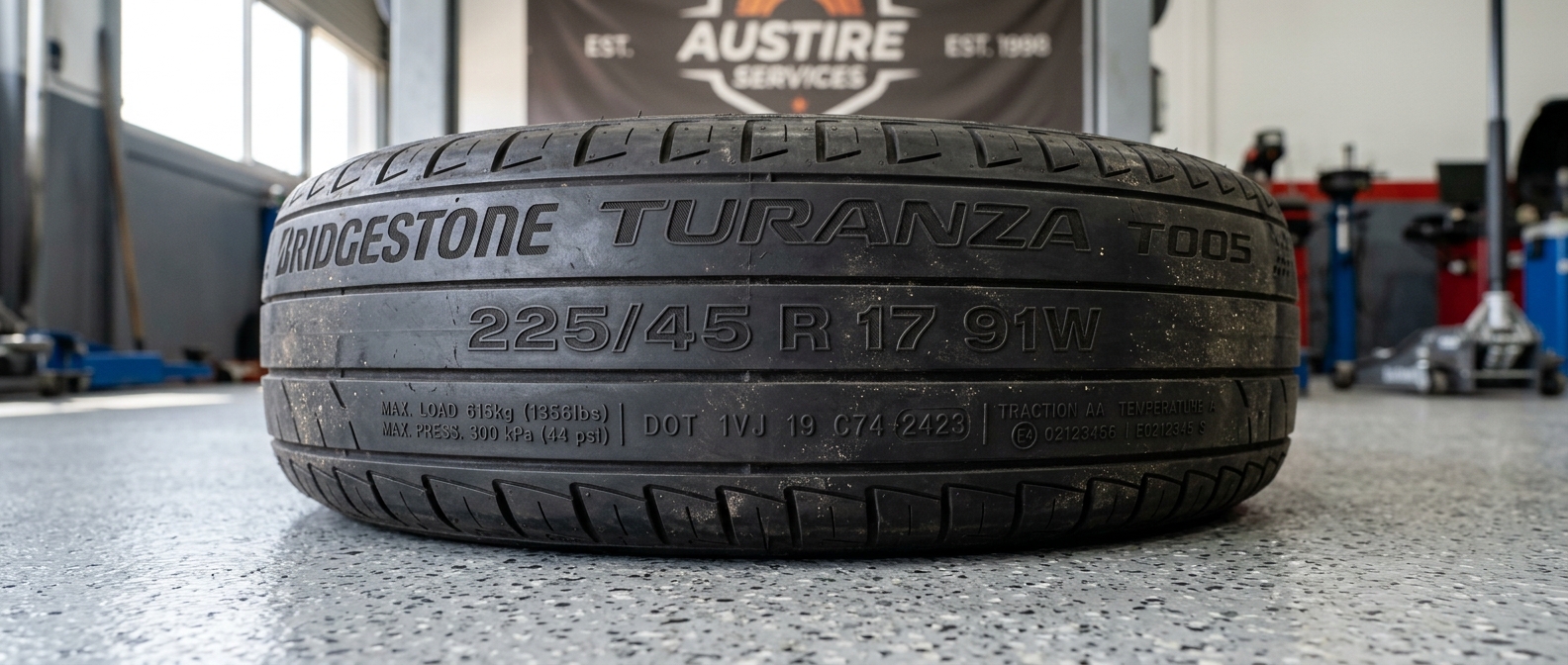
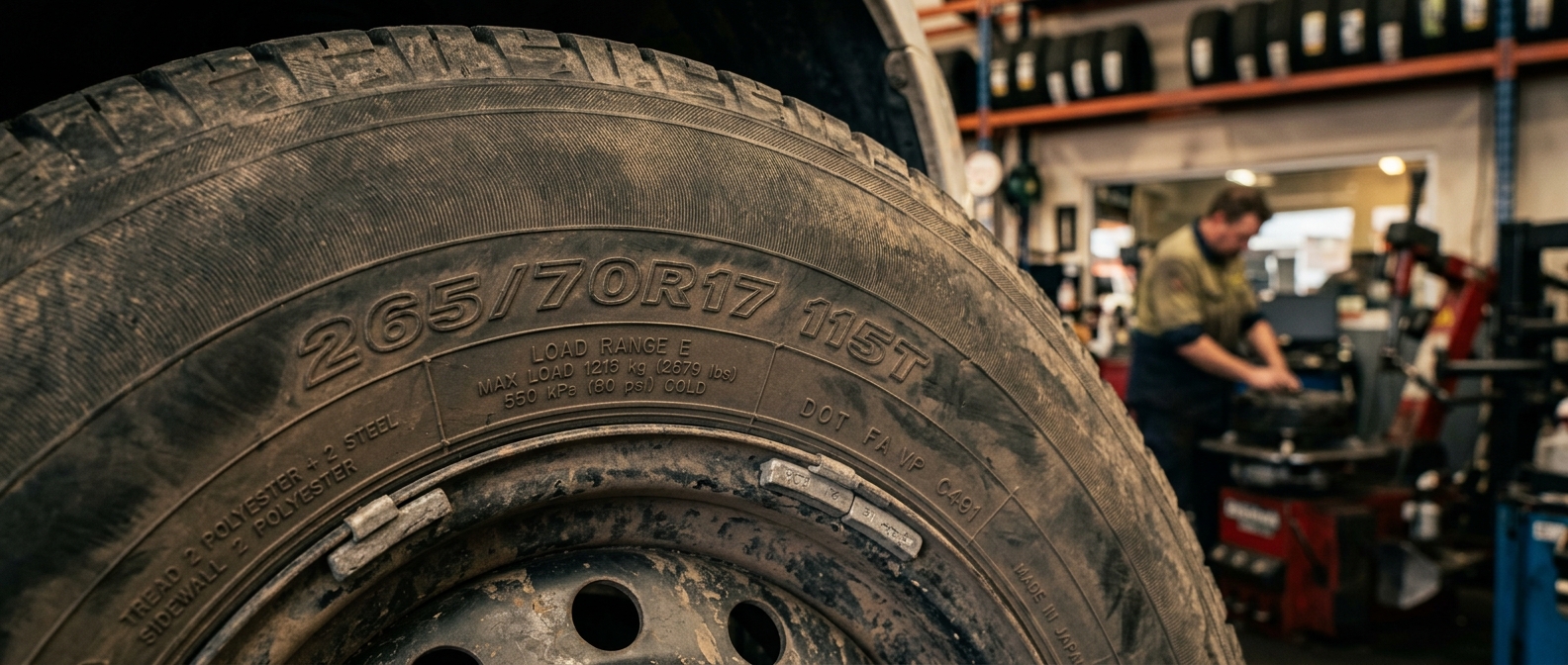
Where do you find these markings?
Every road tyre sold in Australia carries a set of moulded markings on its sidewall (the flat outer face between the tread and the rim). They tell you the tyre’s size, how much weight it can carry, how fast it’s rated to travel, how old it is, and how it performed in wet and rolling-resistance testing. Once you can read them, you can check a quote, buy second-hand safely, and make sure a replacement legally matches your car’s tyre placard.
What does the tyre size code mean? (e.g. 225/45R17)
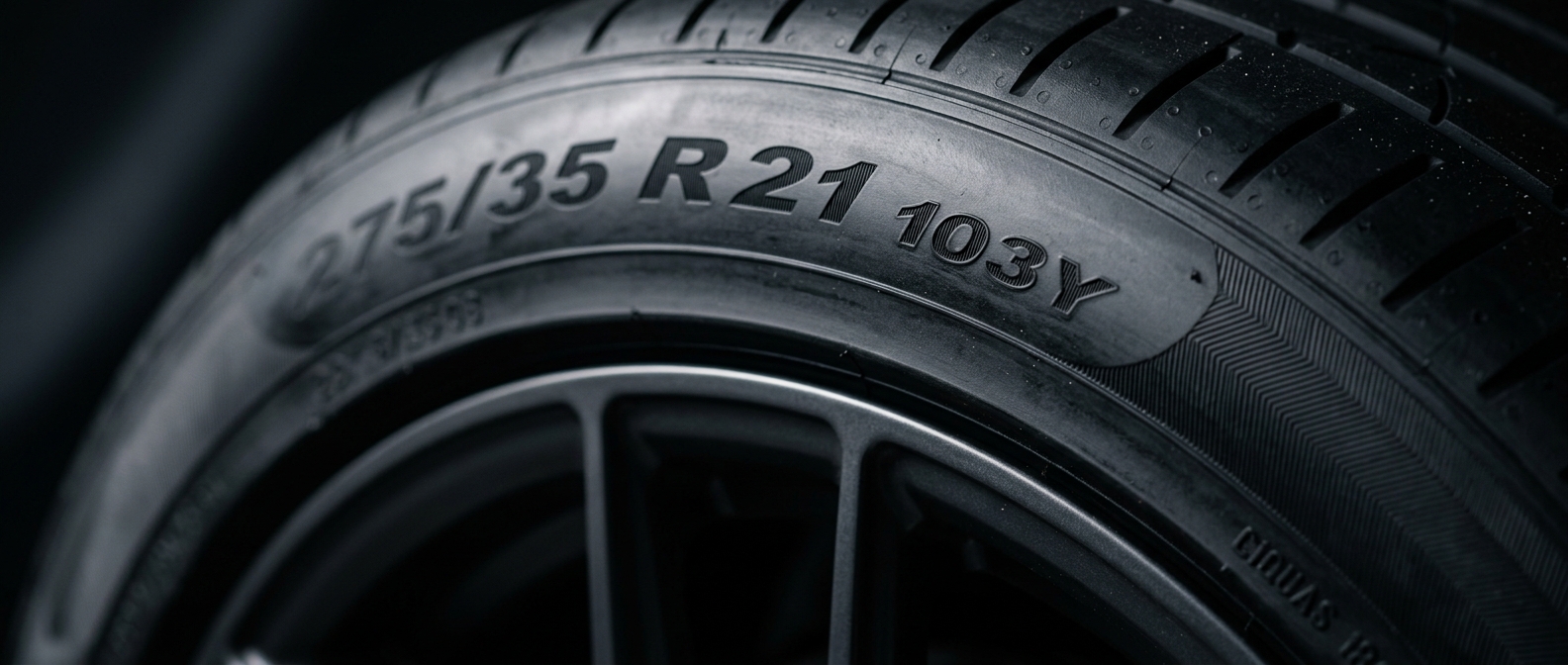
The main size string is the one most people need. Using 225/45R17 94W as an example:
- 225 — Section width in millimetres, measured across the widest part of the tyre.
- 45 — Aspect ratio: the sidewall height is 45% of the width (so about 101mm here). A lower number means a lower-profile tyre.
- R — Radial construction, which is standard on virtually every modern passenger car.
- 17 — Rim diameter in inches. The tyre fits a 17-inch wheel.
- 94 — Load index (see below).
- W — Speed rating (see below).
You may also see a letter before the width, such as P (P-metric, a passenger-car standard) or LT (light truck, a heavier-duty construction common on utes and 4WDs). The difference between these matters in Australia — see our guide on LT vs P-metric tyres.
What is the load index and how do I read it?
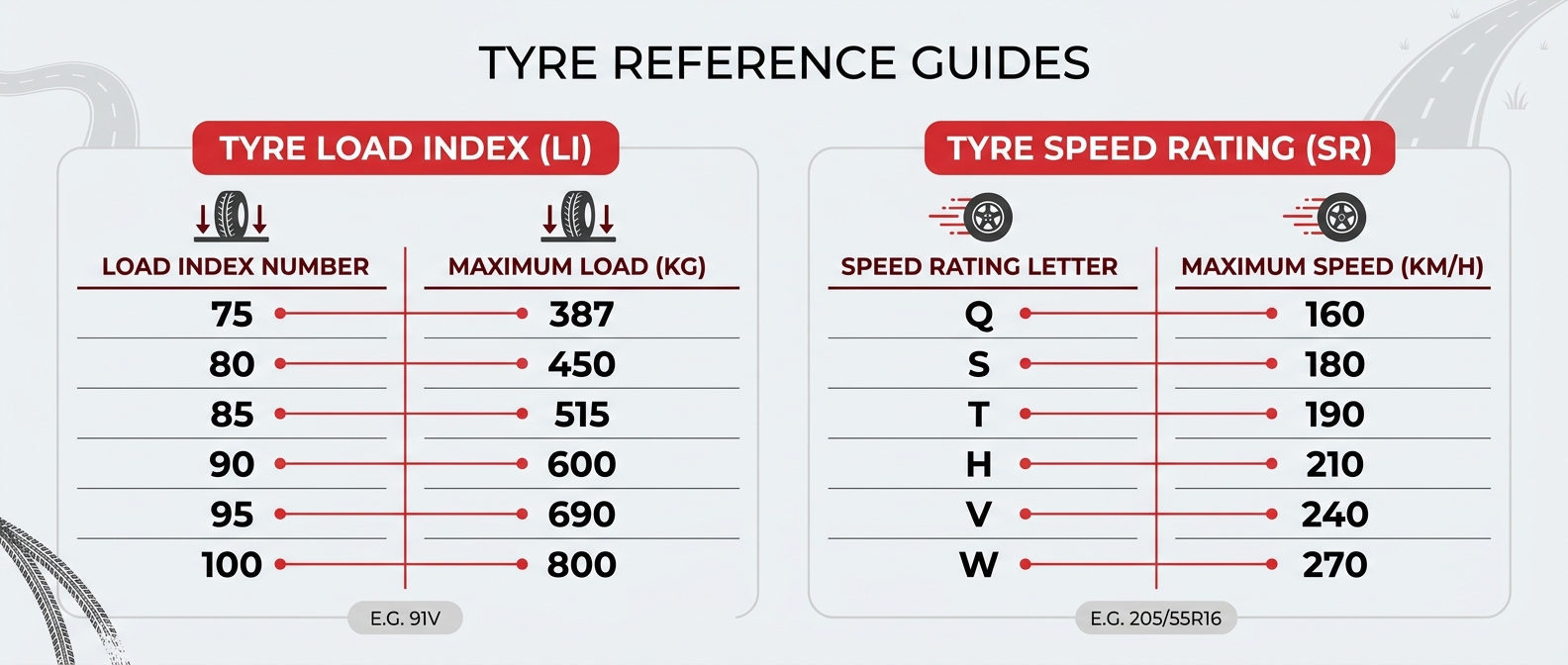
The load index is a code for the maximum weight each tyre can carry when properly inflated. It is not the weight in kilograms — you convert it using a standard chart. Common values on Australian passenger cars and SUVs:
| Load index | Max load per tyre |
|---|---|
| 88 | 560 kg |
| 91 | 615 kg |
| 94 | 670 kg |
| 95 | 690 kg |
| 100 | 800 kg |
| 103 | 875 kg |
Always fit tyres with a load index equal to or higher than your placard specifies. Fitting a lower rating is both unsafe and can make the vehicle unroadworthy — see what happens if you fit the wrong load rating tyres. For a full table, use our tyre load index chart for Australian vehicles.
What does the speed rating letter mean?
The speed rating is the maximum speed the tyre is certified for under test conditions. It sits right after the load index. The main letters you’ll see in Australia:
| Letter | Max speed | Typical use |
|---|---|---|
| T | 190 km/h | Family sedans, some SUVs |
| H | 210 km/h | Most passenger cars |
| V | 240 km/h | Sportier cars |
| W | 270 km/h | Performance cars |
| Y | 300 km/h | High-performance cars |
Australia’s open-road limits top out at 130 km/h (parts of the NT and outback SA), so any of these ratings is comfortably above what you can legally do. Even so, fit at least the rating on your placard — it reflects the tyre’s heat tolerance and construction, not just top speed. Our tyre speed rating chart covers every letter.
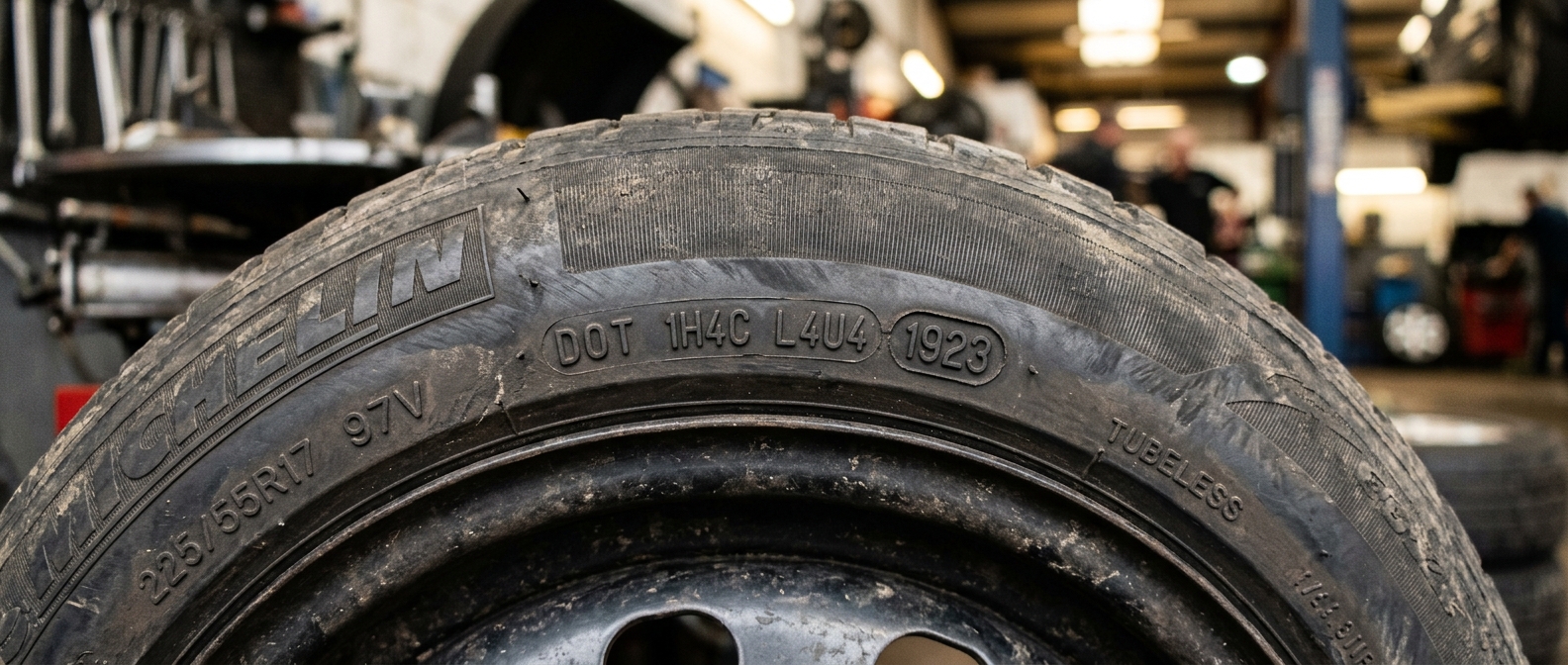
How do I read the DOT date code to tell how old my tyre is?
Tyres age even when they’re barely used, and Australia’s UV and heat accelerate it. The manufacturing date is hidden in the DOT code on the sidewall. Look for “DOT” followed by a string of characters ending in four digits — for example DOT … 2523. Those four digits are the date: the first two are the week of the year (25 = the 25th week) and the last two are the year (23 = 2023). So 2523 means the tyre was made in mid-2023.
The date code is often only moulded in full on one side of the tyre, so check both. As a rule of thumb, be wary of any “new” tyre more than a couple of years old on the shelf, and read our guide on whether you should replace tyres over five years old.
What are the other sidewall markings?
- Maximum pressure and load — usually near the rim, stated in kPa/psi and kg. This is the tyre’s ceiling, not your recommended pressure. For the number you should actually run, see placard pressure vs sidewall maximum.
- Tread Wear Indicators (TWI) — small raised bars set into the main grooves. Their position is shown by a tiny triangle (▲) or the letters “TWI” moulded on the shoulder. When the tread wears flush with these bars, the tyre is at Australia’s legal minimum of 1.5mm.
- Treadwear, Traction and Temperature (UTQG) — a US grading system sometimes present: a treadwear number, a traction grade (AA, A, B, C) and a temperature grade.
- M+S, 3PMSF, or an “all terrain” marking — indicates mud-and-snow or severe-snow capability and construction type.
- Rotation arrow — on directional tyres, showing the direction the tyre must turn.
Quick worked example
Say your sidewall reads 265/65R17 112T on a dual-cab ute. That’s a 265mm-wide tyre, a fairly tall 65% sidewall for comfort on rough roads, radial, on a 17-inch rim, each tyre able to carry 1,120 kg, rated to 190 km/h. If you then find DOT … 0824, it was built in the 8th week of 2024.
Bottom line
The sidewall is a complete spec sheet once you know the order: width, aspect ratio, construction, rim diameter, load index, speed rating — plus a DOT date code and safety markings. Match or exceed your placard’s size, load index and speed rating when you replace, and always check the build date on anything sold as new.
Frequently asked questions
What does the “R” in a tyre size mean?
It stands for radial construction, the standard for modern passenger tyres. A “D” or “-” would indicate older bias-ply construction, which is rare on road cars today.
Is a higher load index or speed rating always better?
Higher is safe to fit, but going far beyond your placard can stiffen the ride and cost more without benefit. Match or slightly exceed the placard rather than chasing the highest numbers.
Where is the tyre’s date of manufacture?
In the last four digits of the DOT code — week and year. It may only be complete on one sidewall, so check both sides.
Does the sidewall show my correct tyre pressure?
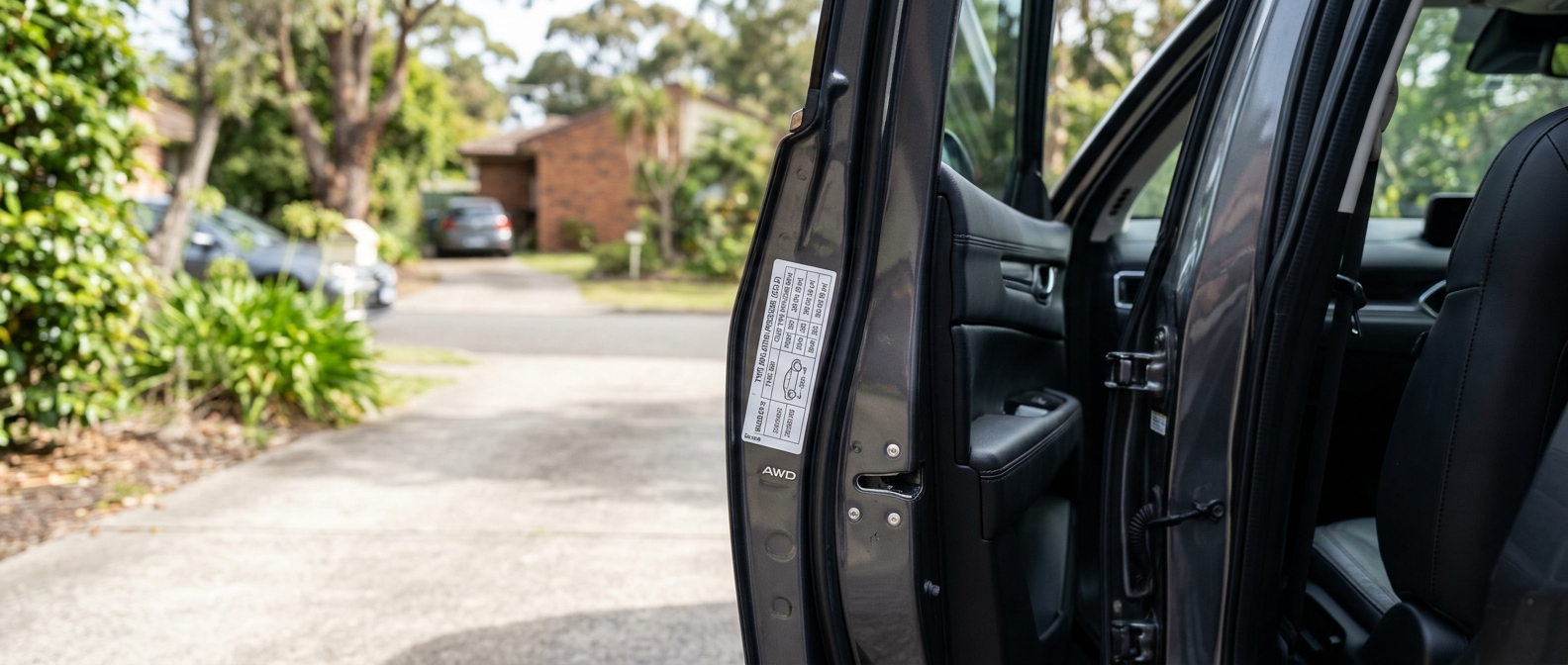
No. The pressure on the sidewall is the maximum the tyre can hold. Your recommended pressure is on the vehicle’s tyre placard, usually in the driver’s door jamb or fuel flap.
What’s the legal minimum tread depth in Australia?
1.5mm across all principal grooves, indicated by the tread wear indicators. Many retailers quote 1.6mm (the UK figure) — the Australian legal minimum is 1.5mm.
Figures such as load and speed ratings follow the Tyre & Rim Association of Australia standards; always confirm your vehicle’s requirements against its placard and owner’s manual.

0 Comments