
Category: Fitment and Sizing. Australian English throughout.
Plus-Sizing a Sports Car: Grip vs Ride vs Cost
Quick answer: Plus-sizing a sports car means fitting a larger-diameter rim with a lower-profile tyre while keeping the overall rolling diameter the same. You gain sharper steering and cornering grip, but you trade away ride comfort, pay more per tyre and risk kerb and pothole damage. Keep rolling diameter within tolerance so your speedo and ABS stay legal and accurate.
What does plus-sizing a sports car actually mean?
Plus-sizing is fitting a larger-diameter wheel with a shorter (lower-profile) tyre so the overall rolling diameter stays almost identical to the factory setup. A "plus-one" step moves up one inch of rim (say 17-inch to 18-inch) and drops the aspect ratio; a "plus-two" moves up two inches. The width often increases at the same time. On a sports car the goal is a stiffer sidewall and a wider contact patch for quicker turn-in and more cornering grip — not a taller or shorter car.
The golden rule is that the taller rim and shorter sidewall must cancel out. If you add rim diameter without removing sidewall height, the tyre grows, your speedometer reads wrong and the tyre can foul the guard. If this is new to you, start with our guides to aspect ratio and rolling diameter, then come back here.

What do you gain? Grip and steering response
The upside is real and it is why performance cars leave the factory on low-profile rubber. A shorter, stiffer sidewall flexes less when you load the tyre in a corner, so steering feels more direct and braking response sharpens. As Bob Jane T-Marts puts it, "a wider contact patch and stiff sidewalls mean better grip during aggressive cornering," with "quicker and more precise steering feedback." On a twisty road or a track day, that translates to a car that turns in crisply and holds a line with less vagueness.
Going wider can add mechanical grip too, but only within what the rim can safely hold. Before you chase width, read how much wider you can go on a given rim and check the rim-width to tyre-width chart so the tyre sits in its ideal range rather than being stretched or ballooned.
What do you give up? Ride, noise and damage risk
Every millimetre of sidewall you remove is shock absorption you lose. Low-profile tyres make bumps, expansion joints and coarse-chip country roads feel harsher, and many drivers notice more road noise and vibration in the cabin. Bob Jane is blunt about it: "the short sidewalls offer less protection against potholes and kerbs, increasing the chance of rim damage."
On Australian roads that last point matters. A deep pothole or a misjudged kerb that a 55-profile tyre would have soaked up can crack or buckle an expensive alloy when there's only 30 or 35 of sidewall in the way. If you're weighing this up, our pieces on kerb damage and pothole damage to tyres and wheels show what to check afterwards.
Grip vs ride vs cost: the trade-off at a glance
| Factor | Factory profile | Plus-sized (lower profile) |
|---|---|---|
| Steering response | Softer, more relaxed | Sharper, more direct |
| Cornering grip | Good | Better (wider patch, stiffer wall) |
| Ride comfort | More compliant | Firmer, harsher over bumps |
| Cabin noise | Quieter | Often louder |
| Kerb/pothole risk | Lower (more sidewall) | Higher (less sidewall) |
| Tyre cost | Lower | Higher per tyre and to replace |
| Wheel cost | Standard | Larger rims cost more |
How much does plus-sizing a sports car cost?
There are two costs: the upgrade and the running cost. Larger rims and low-profile performance tyres are both pricier to buy, and low-profile tyres are "pricier upfront and during replacement compared to standard options." A quality 18 or 19-inch performance tyre can cost noticeably more per corner than the 17-inch it replaced, and you'll buy them again every few years. Factor in fitting and a wheel alignment, and the sums add up. For how to compare properly, see cost per kilometre and what it costs to fit bigger wheels and tyres. Because sports cars sometimes run a staggered setup with wider rears, a full set can cost more than you expect and limits your rotation options.
Will plus-sizing upset my speedo or ABS?
Only if you get the maths wrong. Your speedometer, ABS, traction control and stability control are all calibrated to the factory rolling diameter. Tyre Review Australia warns that if the overall diameter changes, "your speedo will no longer be accurate," and even a small change "may alter functionality" of those electronic aids. Keep the new combination within the diameter tolerance and nothing changes. Our guides to how tyre size affects your speedo and speedo error after upsizing walk through the calculation.
Is it legal in Australia?
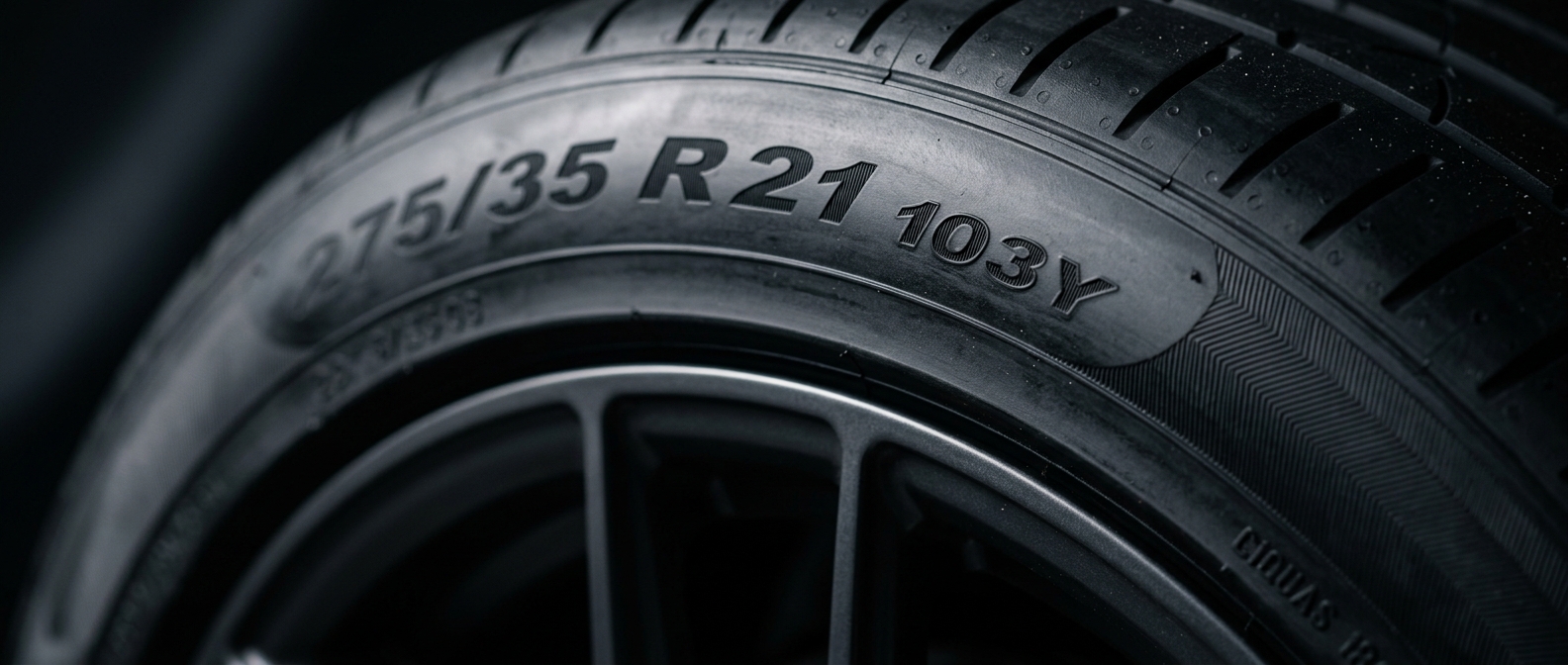
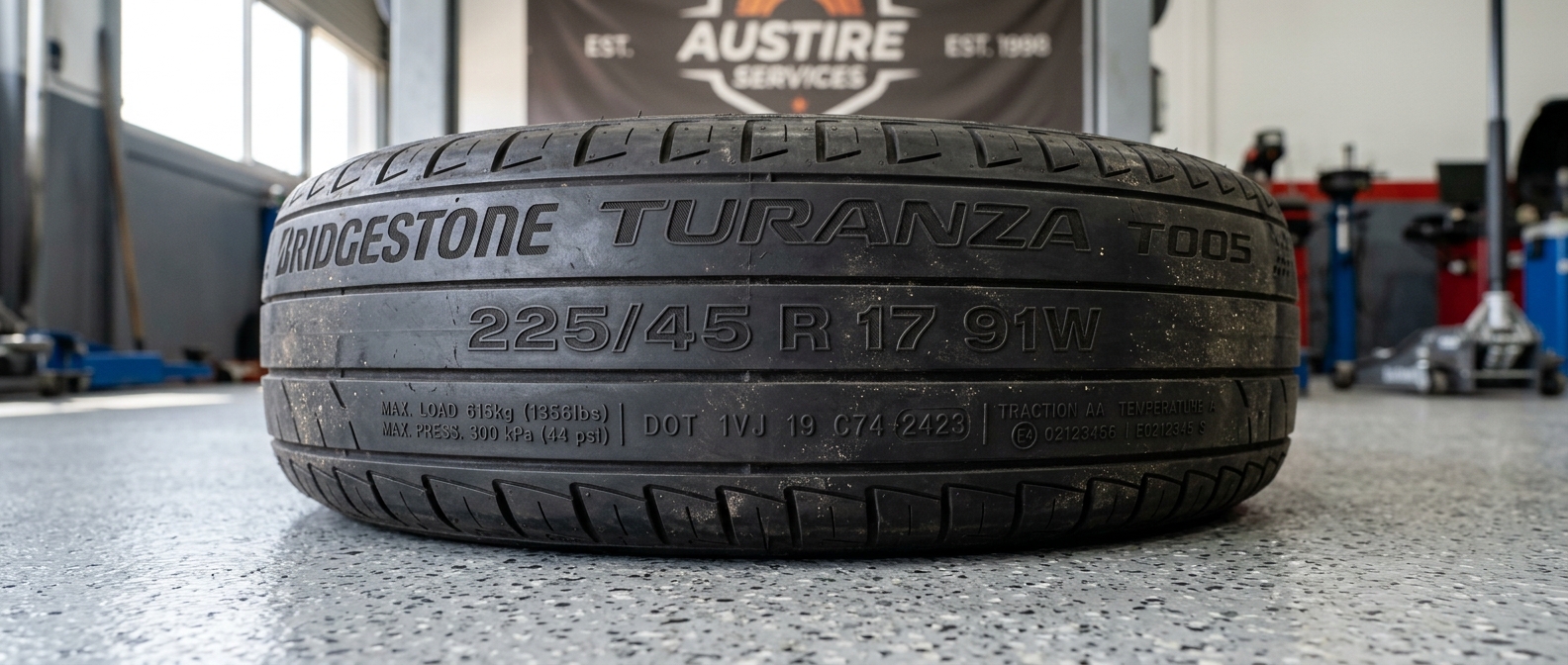
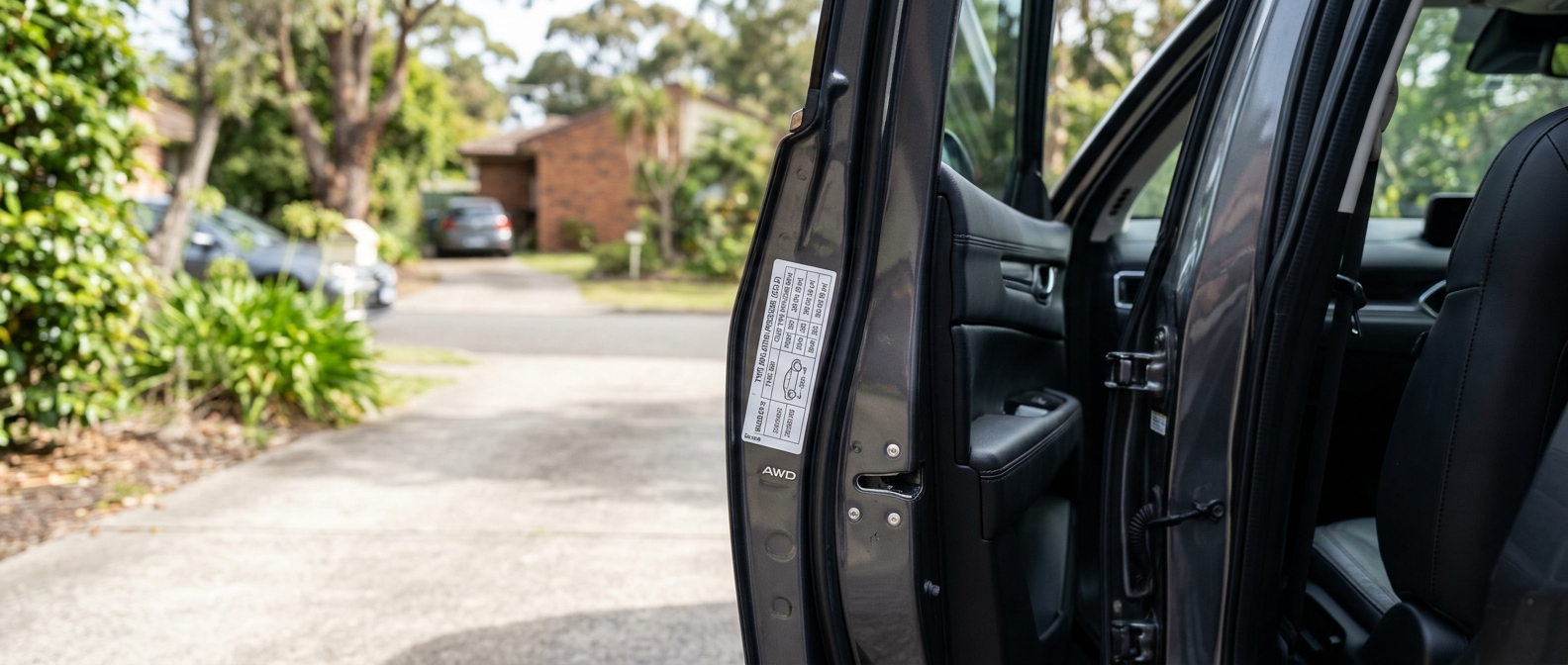
Plus-sizing is legal when the fitment stays within the rules. As a national baseline under Vehicle Standards Bulletin 14, passenger-car tyre and wheel changes must keep the overall diameter within a set tolerance (commonly cited as roughly +15mm to -26mm of the original on passenger vehicles), the wheel and tyre must stay within the bodywork, the load rating must meet or exceed the placard, and the speedometer must not under-read. These figures and the need for any engineering certification vary by state, so confirm the current rules with your state or territory road authority before you commit. You should also tell your insurer, because undeclared wheel and tyre changes can affect a claim — see whether changing wheel size voids your insurance. Read your tyre sidewall and check the original size before ordering.
Who should plus-size, and who shouldn't?
If you drive your sports car hard on smooth roads or at track days and you value steering feel above ride comfort, a sensible plus-one is usually worth it. If your commute is pockmarked with potholes, you cover big kilometres, or you'd rather not replace a cracked rim, a more modest step — or staying factory — may serve you better. The same logic scales across body styles: compare the hatchback, sedan, medium SUV and dual-cab ute trade-offs to see how your priorities differ.
Bottom line: Plus-sizing a sports car buys you sharper steering and more cornering grip, paid for in ride comfort, cabin noise, bigger bills and a higher chance of kerb and pothole damage. Keep the rolling diameter within tolerance, match the load rating, tell your insurer, and confirm the limits with your state road authority.
Frequently asked questions
Does plus-sizing make a sports car faster?
Not in a straight line — it can even add a little unsprung weight. The benefit is handling: quicker steering response and more cornering grip, not more power or acceleration.
How many inches can I safely go up?
Most road cars handle a plus-one comfortably and many a plus-two, provided the rolling diameter stays within tolerance and the tyre and wheel clear the guards. Beyond that, ride and damage risk climb quickly.
Will lower-profile tyres wear out faster?
Performance-oriented low-profile tyres often use softer, grippier compounds that trade tread life for grip, so they can wear faster than a touring tyre — budget for more frequent replacement.
Do I need a wheel alignment after plus-sizing?
Yes. Any time you change wheels and tyres you should have the alignment checked so the new setup wears evenly and steers true.
Can I keep my original wheels for winter or touring?
Absolutely. Many owners keep the factory wheels with a comfier touring tyre for daily or long-distance driving and fit the plus-sized set for spirited drives or track days.
Suggested schema
Article + FAQPage structured data recommended for this page.

0 Comments