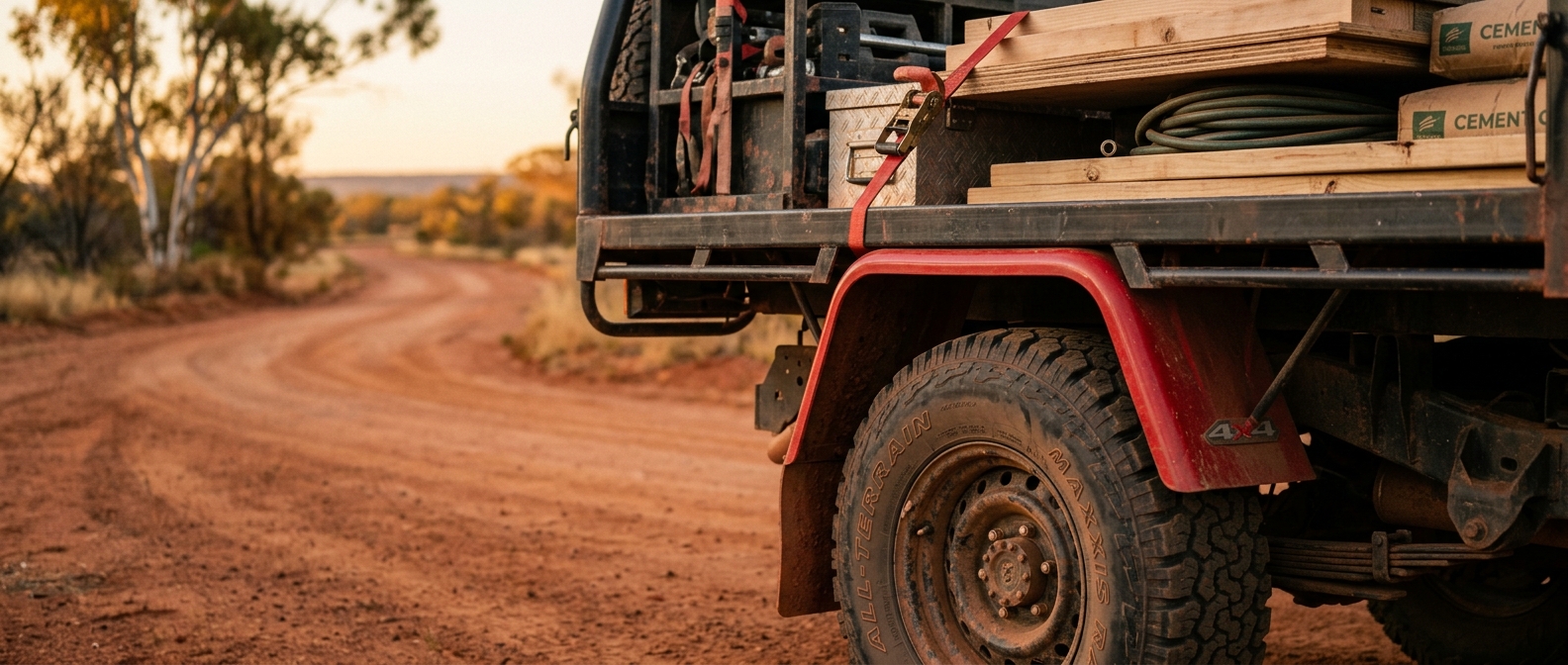
TL;DR: Fitting tyres with a load rating below your car's placard specification is illegal and dangerous in Australia. An underrated tyre runs hotter, flexes more and can deform, wear out early or blow out — especially when loaded or towing. It can also earn a defect notice and void your insurance. Always match or exceed the placard load index.
What is a tyre load rating?
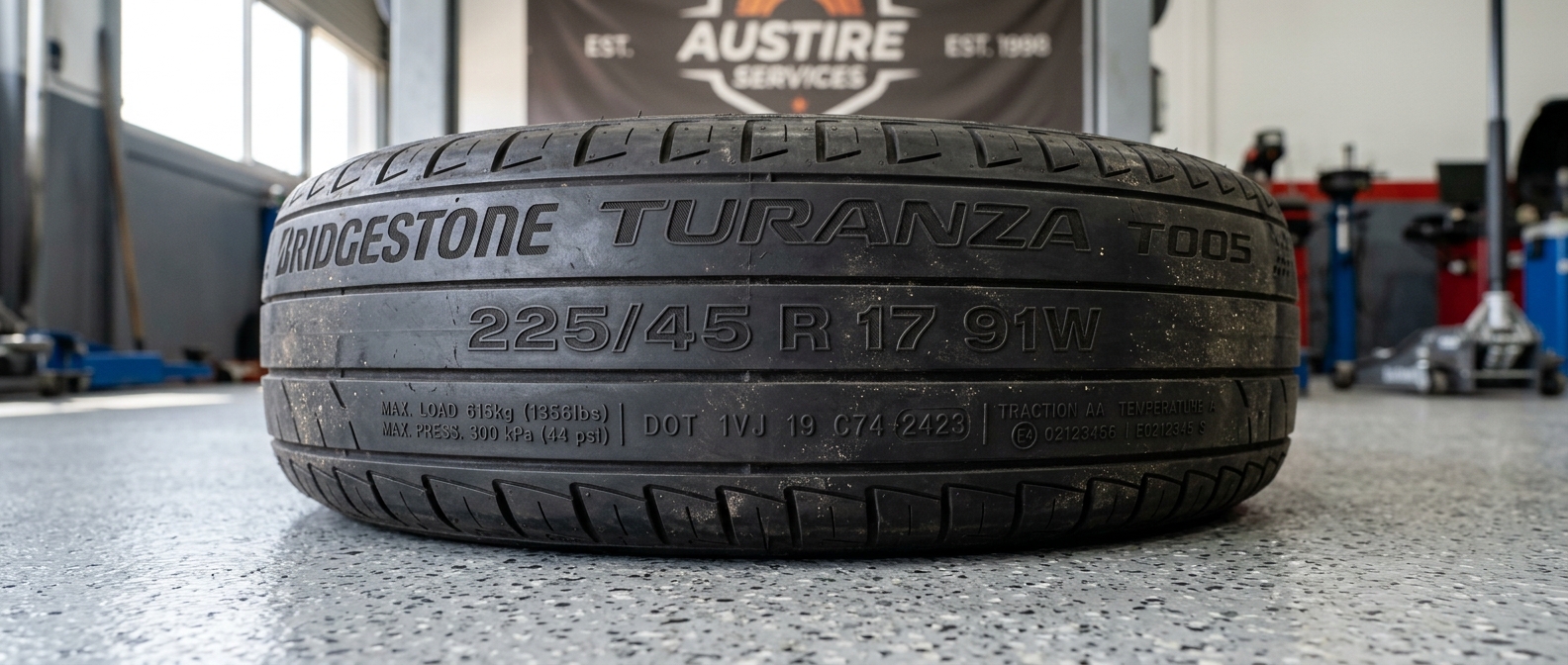
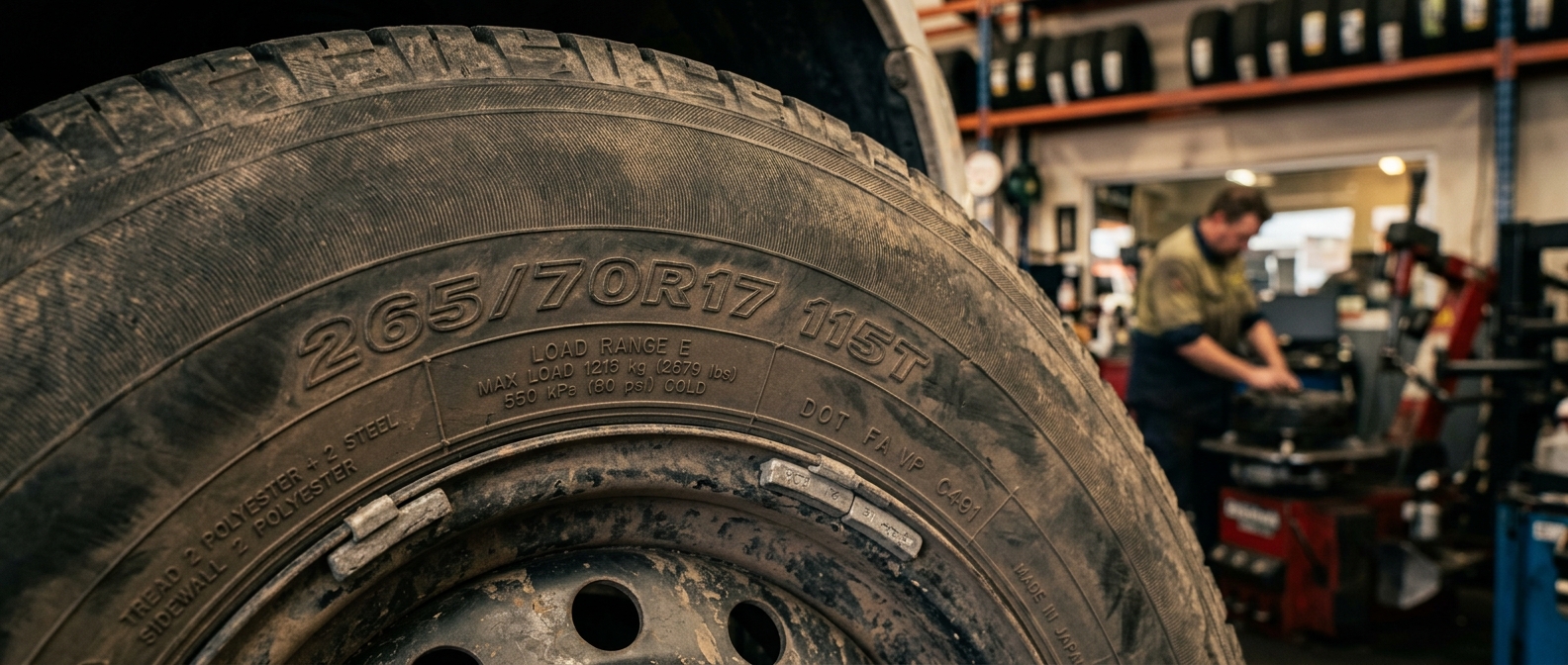
The load rating (or load index) is the number just before the speed-rating letter on a tyre's sidewall — for example, the 91 in 205/55 R16 91V. It's a coded figure that tells you the maximum weight one tyre can safely carry at its rated pressure and speed. It is not a weight in kilograms directly; you read the kilogram value from a standard table.
| Load index | Max load per tyre |
|---|---|
| 88 | 560 kg |
| 91 | 615 kg |
| 95 | 690 kg |
| 100 | 800 kg |
| 104 | 900 kg |
| 110 | 1,060 kg |
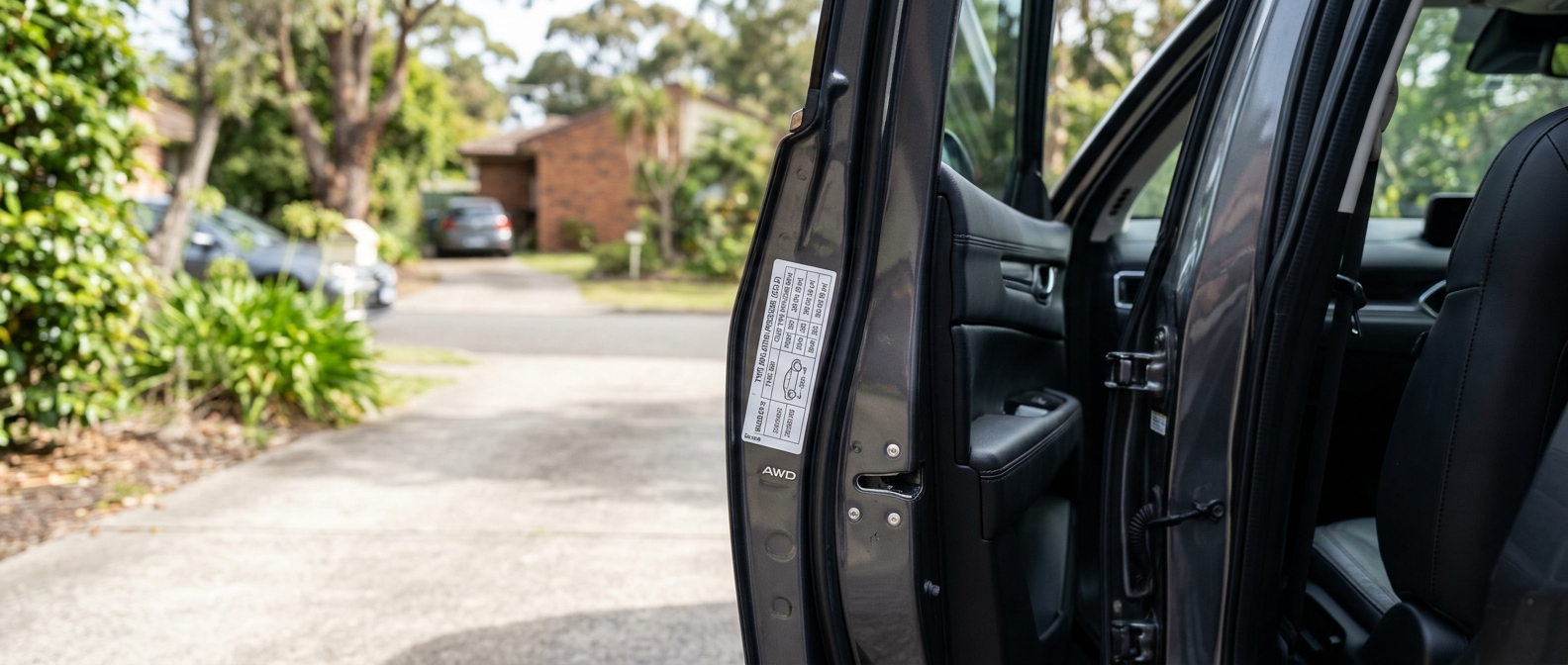
For the full table and how to use it, see our tyre load index chart for Australian vehicles. Your vehicle's minimum required load index is printed on the tyre placard — usually in the driver's door jamb, fuel flap or glovebox. Learn to read it in how to read your car's tyre placard, and the sidewall in how to read a tyre sidewall.
Is it illegal to fit a lower load rating in Australia?
Yes. It is illegal to fit tyres with a load index lower than the vehicle manufacturer's original specification. The tyre must be able to carry the vehicle at its Gross Vehicle Mass, and an underrated tyre can't guarantee that. Fitting below the placard rating can result in a defect notice (a "canary" or yellow/red sticker), registration and roadworthy problems, and — in a crash — personal liability. It also directly relates to what happens if your tyres don't meet the placard load rating at inspection time.
Going higher than the placard load index is generally allowed and often sensible — but a much higher-rated tyre may ride more firmly. That trade-off is covered in XL vs standard load tyres.
What actually happens to an underrated tyre?
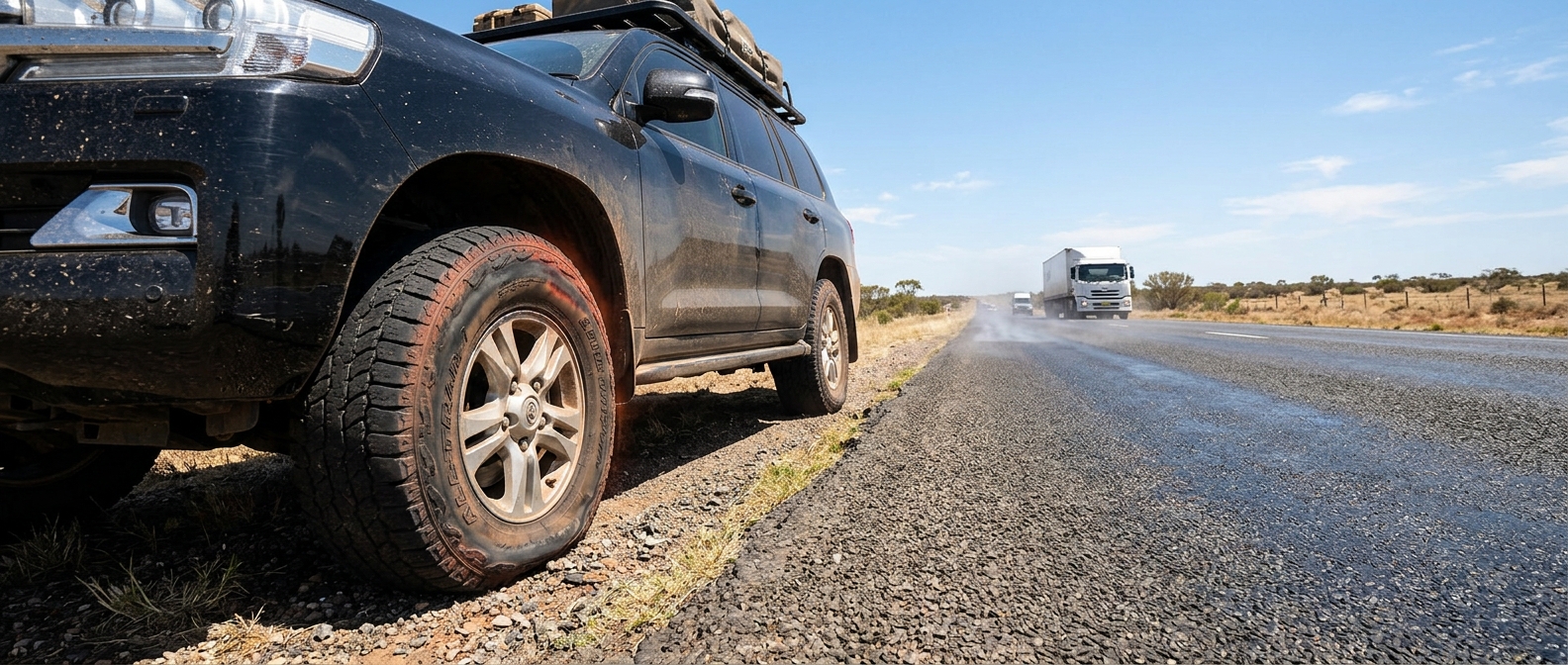
A tyre carrying more than it's built for is a physics problem, and the failure chain is predictable.
1. It overheats
An overloaded tyre flexes more with every rotation. That constant flexing generates heat inside the carcass, and heat is a tyre's worst enemy. In Australian summer conditions — 40-degree bitumen and long highway runs — an underrated tyre can reach temperatures that begin to break down the rubber and the internal reinforcement.
2. It deforms and flexes excessively
Excess load weakens the tyre's internal structure, causing undue flexing and distortion. You feel this as vague, wallowing handling — the car feels less planted, steering response softens and the sidewalls squirm under cornering or braking loads.
3. It wears out early
The combination of heat and distortion accelerates wear, so an underrated tyre often won't last anywhere near its expected kilometres — a false economy if you bought it to save money.
4. It can blow out
The end point of sustained overheating and structural fatigue is a blowout — a sudden, complete failure of the tyre. At highway speed, with a family and gear on board, that is a genuinely dangerous event. Overloading combined with speed is the classic recipe for a catastrophic rupture.
Under-inflation makes all of this worse, because a soft tyre flexes even more. See what happens if you underinflate your tyres — correct pressure is what lets a tyre actually reach its rated load.
Who is most at risk?
The wrong load rating is most dangerous on vehicles that routinely carry or pull weight:
- Utes and tradies. A dual-cab ute might have a one-tonne payload and tow up to 3.5 tonnes. As a real example, a Ford Ranger XLT wears a
112load index — that's 1,120 kg per tyre. Drop below that and a fully loaded tray is riding on tyres that can't legally support it. See plus-sizing a dual-cab ute for the load-rating traps. - Anyone towing. Caravans, boat trailers and box trailers add tongue weight to the rear axle. The tyre rules for towing spell out the load-rating maths.
- 4WDs and heavy SUVs, particularly on longer touring trips carrying water, fuel and camping gear.
- EVs, which are heavier than equivalent petrol cars and often need reinforced tyres to begin with.
This is also where tyre construction matters, not just the number — see LT vs P-metric tyres for why a light-truck-construction tyre suits heavy-duty use.
What about your insurance?
Running tyres that don't meet the manufacturer's specification can give an insurer grounds to reduce or reject a claim, because the vehicle wasn't in a roadworthy, compliant condition. It sits in the same category of risk as other non-compliant modifications — see does changing wheel size void your car insurance in Australia? If your tyres contributed to a crash and they were underrated, you could be personally liable for the damage and injuries.
How do I make sure my tyres are rated correctly?
- Read the placard first. Note the load index it lists — that's your minimum.
- Check the sidewall of any tyre before you buy. The load index must be equal to or higher than the placard figure.
- Match the speed rating too. Load and speed work together; don't drop the speed rating either. See the tyre speed rating chart.
- Bought a used car? Confirm the factory spec first — our guide to finding the original tyre size for a car you bought used shows you how.
- Keep pressures correct. A tyre only reaches its rated load at the right pressure. Check monthly when cold.
Bottom line
Never fit a tyre with a load rating below your placard. The savings are illusory — an underrated tyre runs hotter, handles worse, wears faster and can fail catastrophically, and it exposes you to defect notices, rejected insurance claims and legal liability. Matching or exceeding the placard load index costs nothing extra and is the single easiest safety decision you'll make at the tyre shop.
Frequently asked questions
Can I fit a higher load rating than my car needs?
Yes. A higher load index than the placard is legal and often beneficial, especially for loaded utes and towing. The only trade-off is that heavily reinforced tyres can ride slightly firmer. Never go the other way — below the placard is the problem.
Will the wrong load rating fail a roadworthy or pink slip?
It can. Tyres below the placard load rating are non-compliant, and inspectors can fail the vehicle or issue a defect notice. Requirements vary by state, so confirm with your state road authority.
How do I know my current tyres are underrated?
Compare the load index on the sidewall to the figure on your tyre placard. If the sidewall number is lower than the placard number, the tyre is underrated and should be replaced.
Does a higher load rating mean a higher pressure?
Not necessarily. Follow the pressures on your placard for normal use, and the tyre maker's guidance when heavily loaded or towing. A higher-rated tyre reaches its full capacity through construction, not just extra air.
Load index kilogram values follow the standard ISO/ETRTO table; legal and roadworthy requirements vary by state and can change. Confirm the correct load rating for your vehicle with the tyre placard, owner's manual or your state road authority before buying.

0 Comments