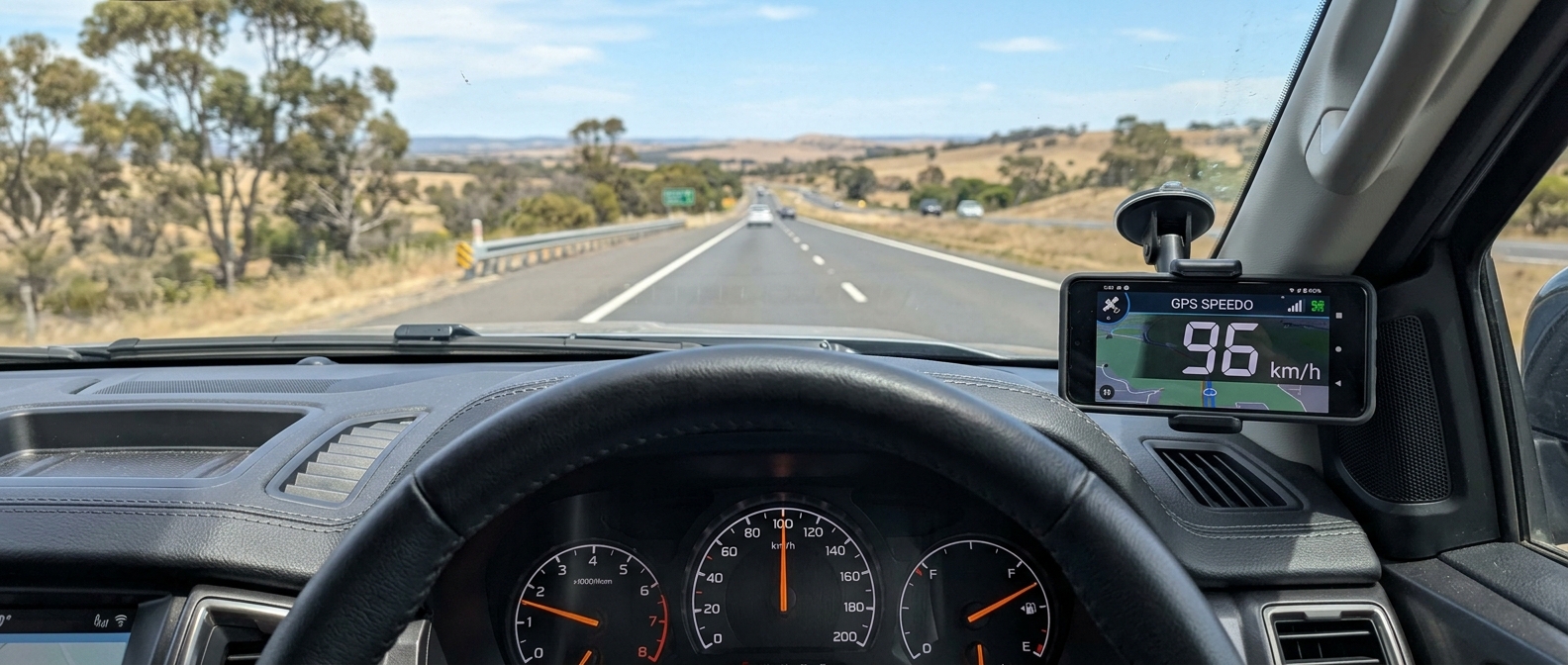
TL;DR: Your speedometer counts wheel rotations, then assumes a fixed tyre size to turn that into a speed. Fit a taller tyre and each rotation covers more ground, so the speedo reads lower than your true speed. Fit a shorter tyre and it reads higher. In Australia, ADR 18 says a speedo must never show less than your actual speed — which is exactly the risk when you go up in tyre size.
How does a speedometer actually work?
Modern cars measure speed by counting how fast a wheel (or the gearbox output shaft) is turning, using a sensor that reads a toothed ring. The car's computer multiplies those rotations by a fixed number — the rolling circumference of the standard tyre — to work out how far you've travelled per second, and displays that as your speed.
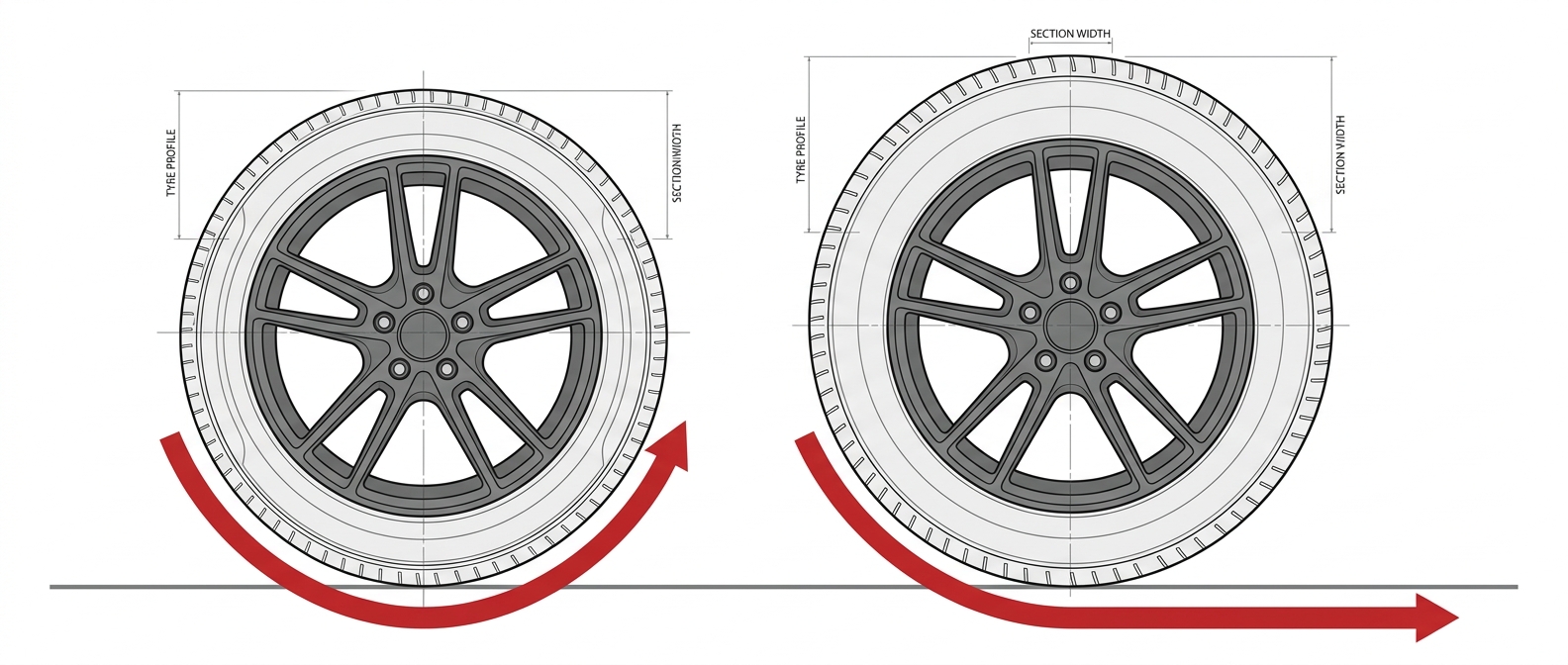
The key word is fixed. The car assumes your tyres are the size it left the factory with. It has no way of knowing you've fitted something taller or shorter. So the moment the real rolling circumference changes, the maths behind the number on your dash is wrong. Understanding rolling diameter is the foundation for everything in this article.
Do bigger tyres make the speedo read slower or faster?
Here's the rule to remember:
- Taller (bigger diameter) tyres → speedo reads LOW. Each rotation covers more distance than the car expects, so you're actually going faster than the dash says.
- Shorter (smaller diameter) tyres → speedo reads HIGH. Each rotation covers less distance, so you're actually going slower than the dash says.
The taller-tyre case is the dangerous one. If your speedo reads 100km/h but you're really doing 106km/h, you can be speeding — and getting fined — while believing you're doing the limit. This is exactly why fitting big 33-inch tyres to a 4WD can create a 10% or greater error and is one of the most common upsizing mistakes.
Note that only the tyre's diameter (its height) matters here, not its width. A wider tyre on the same rim, at the same overall diameter, doesn't change your speedo — see fitting wider tyres on the same rim for that topic.
How much error does a tyre change cause?
The speedo error is directly proportional to the change in overall tyre diameter. A 2% larger diameter gives roughly a 2% under-read. The table below shows the effect at an indicated 100km/h. These figures are illustrative — always calculate for your exact tyre sizes.
| Change in overall tyre diameter | Speedo shows | You're really doing | Effect |
|---|---|---|---|
| −3% (shorter) | 100 km/h | ~97 km/h | Reads high (safe side) |
| Standard | 100 km/h | ~100 km/h | As designed |
| +3% (taller) | 100 km/h | ~103 km/h | Reads low — speeding risk |
| +5% (taller) | 100 km/h | ~105 km/h | Reads low — speeding risk |
| +10% (much taller) | 100 km/h | ~110 km/h | Reads low — serious risk |
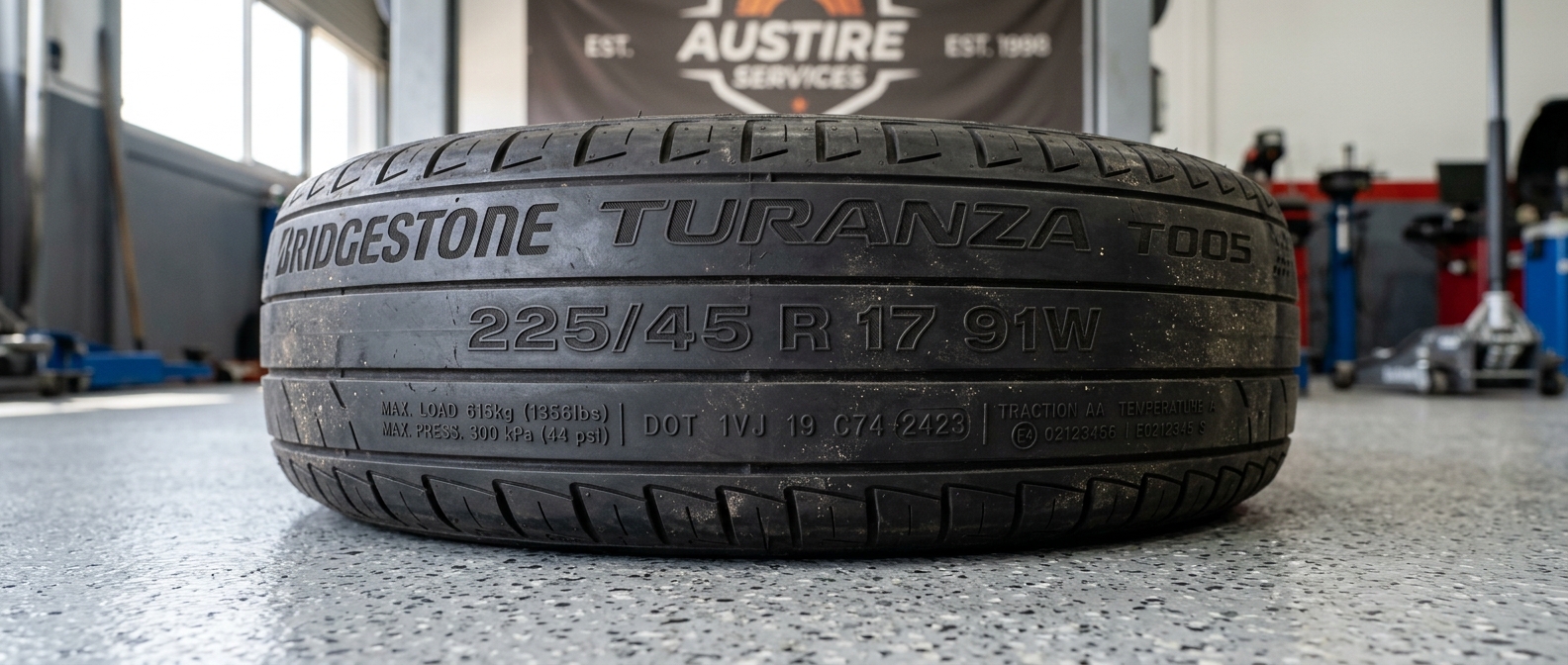
You can work out your own overall diameter from the sidewall numbers — our guide to reading a tyre sidewall and the piece on aspect ratio show how the width, profile and rim size combine into a height. Then compare old vs new and the percentage difference is your speedo error.
What do the Australian rules say?
Speedometers in vehicles built from July 2006 must comply with Australian Design Rule 18 (ADR 18/03). The rule has one core requirement worth memorising: the speedo must never indicate a speed lower than the vehicle's true speed. It may over-read, but only up to 10% of the true speed plus 4km/h. As the federal Department of Infrastructure puts it, at a true 100km/h the indicated speed can legally sit anywhere from 100 to 114km/h.
That's why factory speedos are deliberately optimistic — carmakers build in a margin so the speedo never under-reads, even as tyres wear. It also explains why a taller tyre is a legal problem: it eats into that safety margin and can push the speedo into under-reading, which is exactly what ADR 18 prohibits. There's more on the broader framework in our guide to ADR requirements for tyres and wheels.
Separately, most states also require any tyre fitment to keep the overall diameter within a set tolerance of the original (commonly a modest percentage under VSB 14). Staying inside that tolerance keeps your speedo error small too. Tolerances and inspection rules vary by state and change over time, so confirm the current figures with your state road authority before upsizing.
How do you check and fix speedo error?
Checking is easy. Set your dash to a steady 100km/h on a flat road and compare it against a GPS speed app or your car's built-in GPS speed display. GPS reads true ground speed, so the difference between the two is roughly your speedo error. (GPS can wander in tunnels, hilly terrain and blackspots, so take a reading on flat, open road.)
If a tyre change has pushed your error too far, the options are:
- Choose a tyre closer to standard diameter. The simplest fix — keep the overall height within a couple of percent of original.
- Have the speedo recalibrated. Many cars can be recalibrated to suit a new tyre size, either by the dealer or with an aftermarket module. See recalibrating your speedo after upsizing for when this is worthwhile.
- Plan the whole change properly. Our guides to speedo error after upsizing and plus-sizing cover how to keep the diameter (and therefore the speedo) in check while changing wheel look.
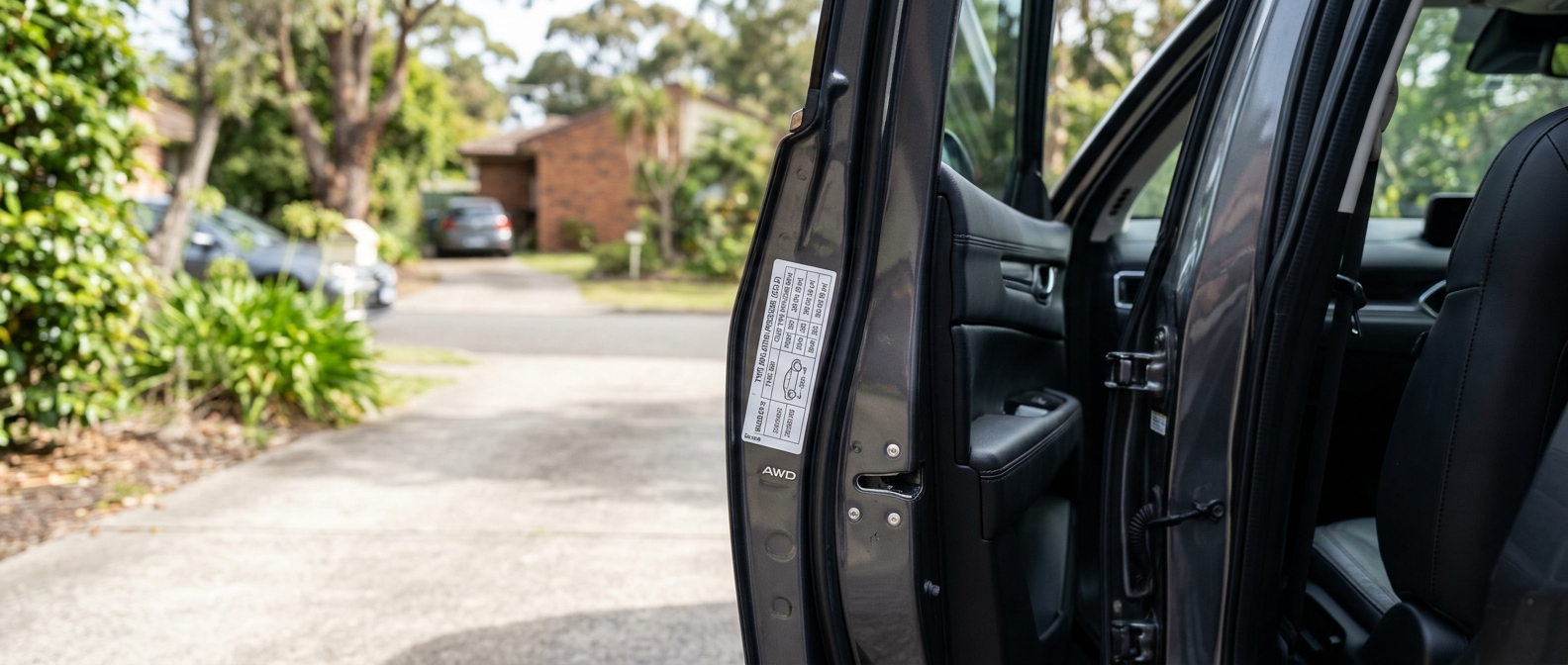
Always start from the correct original size, which is printed on your tyre placard in the driver's door jamb.
Bottom line
Taller tyres make your speedo read low, which means you're actually going faster than it shows — the side that gets you a fine. Keep any tyre change within a couple of percent of the original overall diameter, check it against GPS, and recalibrate if you've gone bigger. Width doesn't matter; height does.
Frequently asked questions
Will bigger tyres make me go faster than my speedo shows?
Yes. Taller tyres travel further per rotation, so your true speed is higher than the dash reads. At an indicated 100km/h with a 5% taller tyre you'd really be doing about 105km/h — enough to be booked while thinking you're on the limit.
Does tyre width change my speedometer?
No. Only overall diameter (height) matters. A wider tyre at the same diameter rolls the same distance per turn, so the speedo is unaffected.
Do worn tyres affect the speedometer?
Slightly. A fully worn tyre is a few millimetres smaller in radius than a new one, which makes the speedo read fractionally high. The effect is tiny — well under 1% — and errs on the safe side.
Is my GPS speed more accurate than my speedo?
On flat, open roads GPS is usually closer to your true speed because it measures actual ground distance over time, while factory speedos are deliberately calibrated to over-read. GPS can be less reliable in tunnels, on steep grades and in signal blackspots.
Is it illegal to fit tyres that make my speedo under-read?
ADR 18 requires a speedo never to read below true speed, and states set diameter tolerances for tyre fitment. A tyre change large enough to make the speedo under-read can put the car outside those rules and may fail inspection. Confirm current limits with your state road authority.

0 Comments