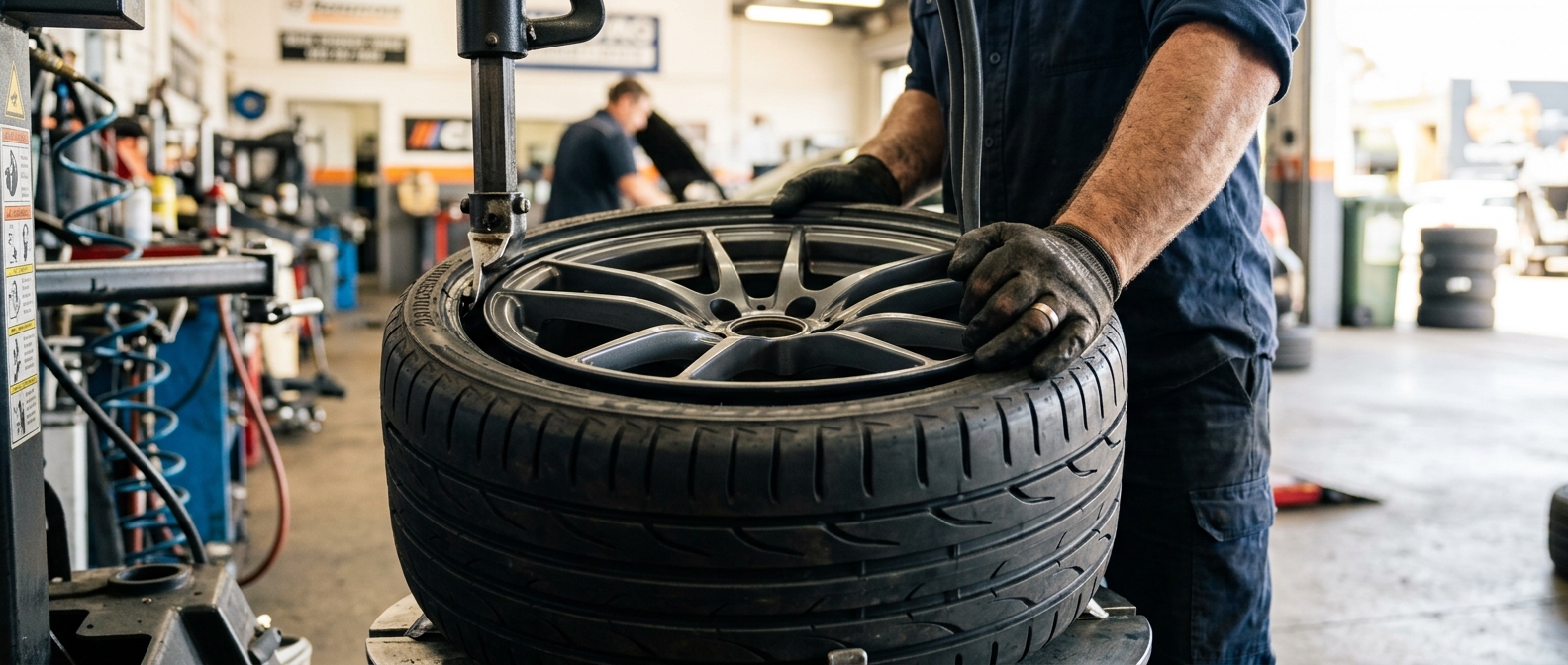
Fitting wider tyres is one of the most common upgrades Australian drivers ask about—whether chasing more grip on a hot hatch, a beefier look on a dual-cab, or simply because a bargain set of 235s turned up when the car wears 225s. The good news is that a single rim will happily take a range of tyre widths. The catch is that "a range" is not "anything you like," and getting it wrong affects handling, wear, your speedometer and your car's legality.
This guide explains the safe range in plain terms, gives you the numbers to check, and flags the Australian compliance traps most people miss. For the full lookup table, see our companion rim width to tyre width chart for Australian fitments.
How much wider can you go on the same rim?
Every tyre size is designed around a "measuring rim"—the wheel width the manufacturer uses to publish the tyre's specs. But each tyre is also certified to fit a spread of rim widths, typically a range of about 1.5 to 2.0 inches. Within that range the tyre changes shape slightly but stays safe and correctly seated.
The industry rule of thumb: for every half-inch (0.5") change in rim width, the tyre's section width changes by roughly 5mm. So a rim that measures a 225 tyre at its design width can usually also carry a 235 (about half an inch wider in effect) without drama—provided that 235 lists your rim inside its approved range.
Put simply, you're not asking "can this wider tyre physically go on?" You're asking "does this wider tyre's approved rim-width range include the rim I already have?" If yes, you're in the safe zone. If your rim sits at the very edge (or outside) that range, the fitment is compromised.
The 70–90% ratio
A quick sanity check used by fitters: rim width should be roughly 70–90% of the tyre's section width (both in the same units). A 225mm tyre is about 8.9 inches wide, so a rim of roughly 6.5" to 8.0" suits it. Convert your rim width and tyre width to the same measure and see if you land in that band. It's not a legal standard, but it's a reliable filter.
What actually happens if the tyre is too wide for the rim?

When a tyre is stretched onto a rim narrower than its range allows, the sidewalls pull inward and the tread crowns—curving so only the centre contacts the road. That means reduced grip, faster centre wear and a vague, rolling feel in corners because the sidewall flexes more than intended. It can also make the bead harder to seat and hold, raising the risk of slow leaks. This extreme is sometimes called a "stretched" fitment, and whether it's road-legal is covered in our guide on stretched tyres in Australia.
Go the other way—too wide a tyre on too narrow a rim—and you get a "ballooned" profile: the tread bulges, the shoulders lift off the road, and again grip and even wear suffer. Neither extreme is what the tyre was engineered to do.
Will wider tyres change my speedo or rolling diameter?
A wider tyre in the same size code (say 225/45R17 to 235/45R17) is also taller, because the aspect ratio (45) is a percentage of the now-larger width. That lifts the overall diameter and can nudge your speedometer reading. Small jumps are usually negligible, but they add up. Before you commit, run the numbers using our explainer on how tyre size affects speedometer accuracy and understand why rolling diameter decides your legal tyre size. If you want the width without the height gain, drop the aspect ratio to compensate—see aspect ratio explained.
Is fitting wider tyres legal in Australia?
This is where a physically fine fitment can still land you a defect notice. The rules are set nationally through the Australian Design Rules and administered by each state, and they lean on Tyre & Rim Association of Australia standards. The key points, using NSW's widely referenced guideline as an example:
- Don't go narrower than the factory minimum rim. You must not fit a rim narrower than the manufacturer's minimum for your model.
- Track width limits. Fitting wider wheels/tyres that push the track wider is generally capped at 25mm for passenger cars and 50mm for off-road 4WDs and goods vehicles before certification is needed.
- Stay within the guards. The wheel and tyre must sit inside the bodywork or mudguards (including flares) with the wheels pointed straight, and must never foul the body or suspension at full lock or full travel.
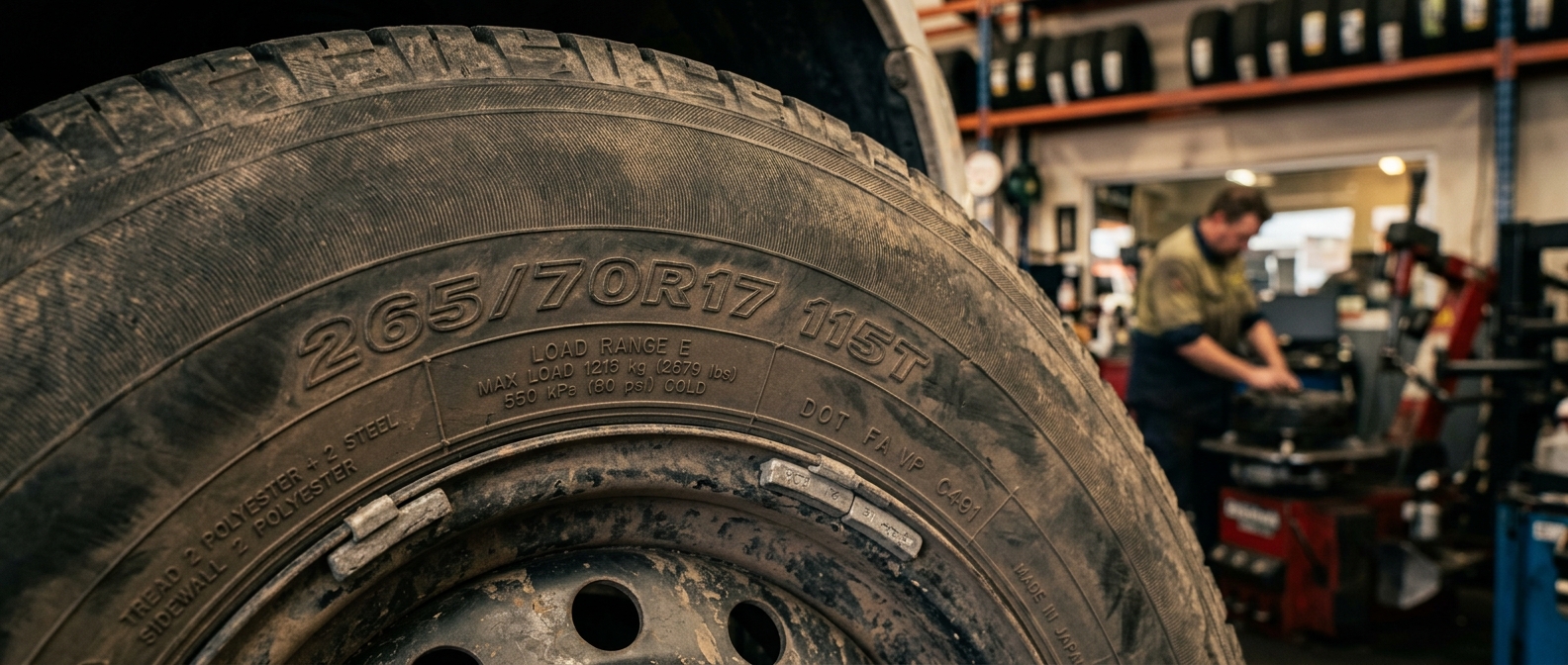
- Load rating must not drop. Replacement tyres must carry a load index equal to or higher than the originals—see XL vs standard load tyres and what happens if you fit the wrong load rating.
Because widening the tyre can also widen the track and change offset, check our guide on wheel offset and backspacing. Rules and thresholds vary by state and change over time, so confirm the current requirements with your state road authority—for NSW, see Transport for NSW—and ask whether your combination needs an engineer's certificate. It's also worth confirming a wider fitment won't affect your cover; see whether changing wheel size voids insurance.
A practical checklist before you fit wider tyres
- Confirm the wider tyre lists your current rim width inside its approved range.
- Check the new overall diameter stays within your state's tolerance so the speedo isn't under-reading.
- Measure guard and suspension clearance at full lock and full compression.
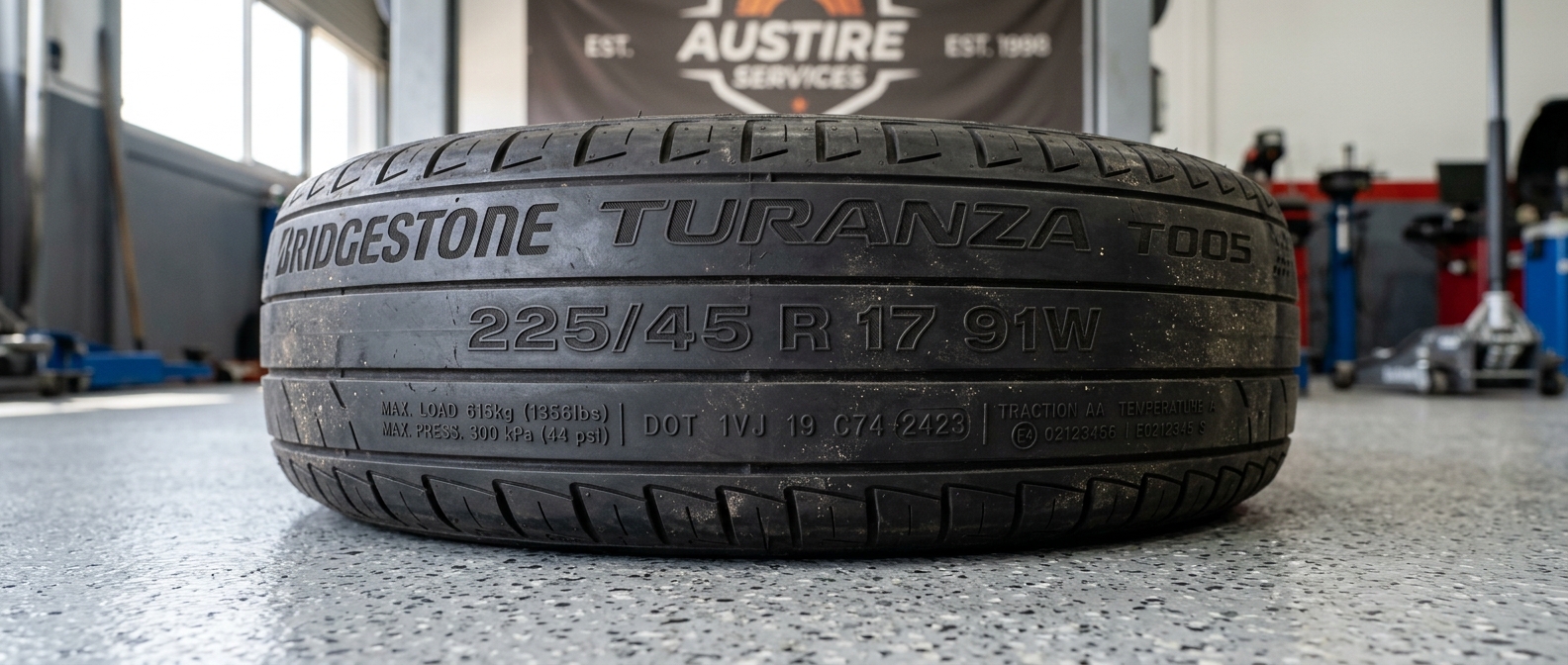
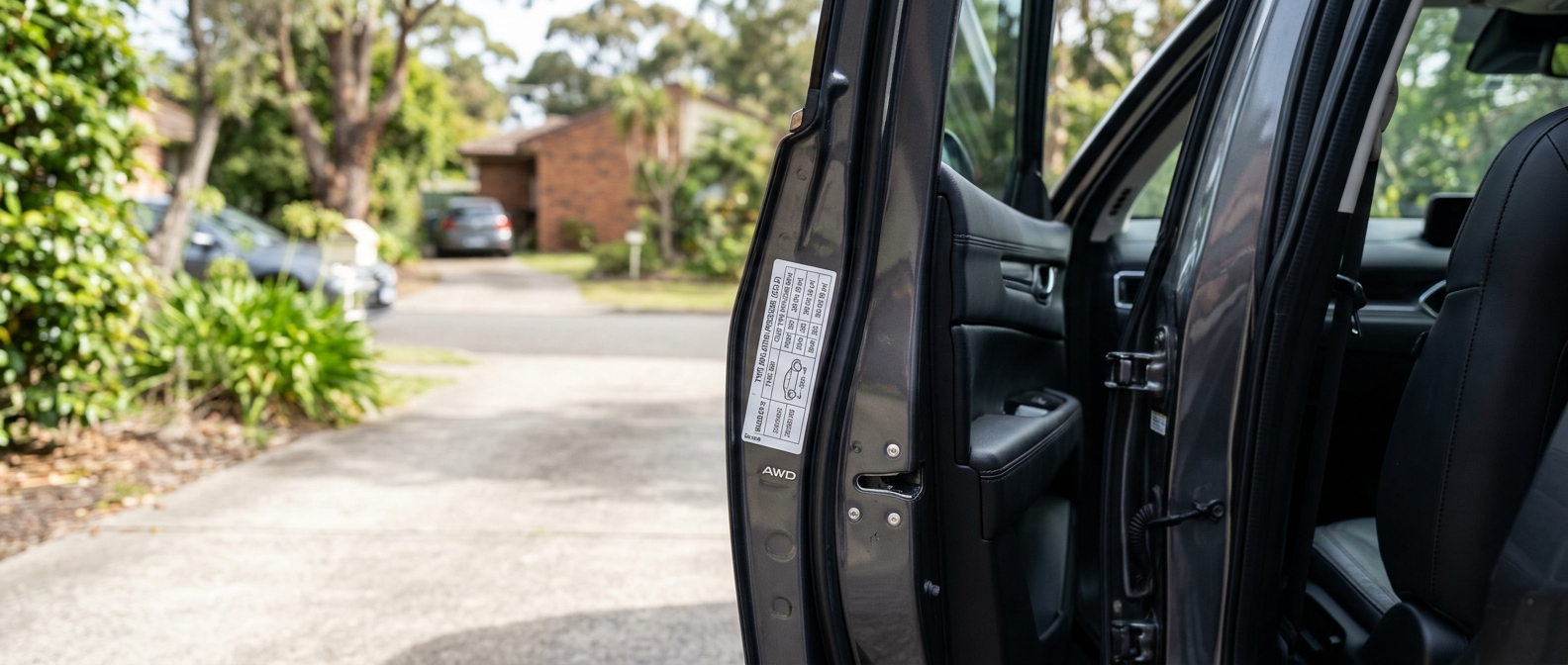
- Keep the load index and speed rating equal to or above the placard—read the tyre placard and sidewall markings.
- On AWD/4WD, remember tyre circumference must stay consistent—see mixing tyre sizes on an AWD.
Frequently asked questions
Can I put a 235 tyre on a rim made for 225?
Usually yes, if the 235's approved rim-width range includes your rim. One step wider (about 10mm) on the same rim is common and safe. Two or more steps often pushes the rim outside the tyre's range.
How much wider is safe on the same rim?
As a guide, roughly 10–20mm either side of the tyre's measuring width, provided the rim stays inside the tyre's listed range. The 5mm-per-half-inch rule and the 70–90% ratio are good quick checks.
Do wider tyres improve grip?
They can add dry grip and a broader contact patch, but they also raise rolling resistance, road noise and cost, and can reduce wet performance if they encourage aquaplaning. The gain depends far more on the tyre model than raw width.
Will wider tyres fail a roadworthy inspection?
They can, if they protrude past the guards, foul the body, drop below the placard load rating, or breach your state's track-width limit without certification. A compliant fitment inside the guards with correct ratings passes.
Bottom line
You can fit wider tyres on the same rim as long as the wider tyre's approved rim-width range includes your wheel—usually a step or so wider is fine. Beyond that you risk poor wear, sloppy handling and a defect notice. Check the tyre's rim range, your guard clearance, the load rating and your state's rules before you buy.
Figures such as track-width limits and diameter tolerances are current guidance only and vary between states—always confirm with your state road authority before fitting.

0 Comments