by admin | Oct 30, 2026 | Fitment and Sizing
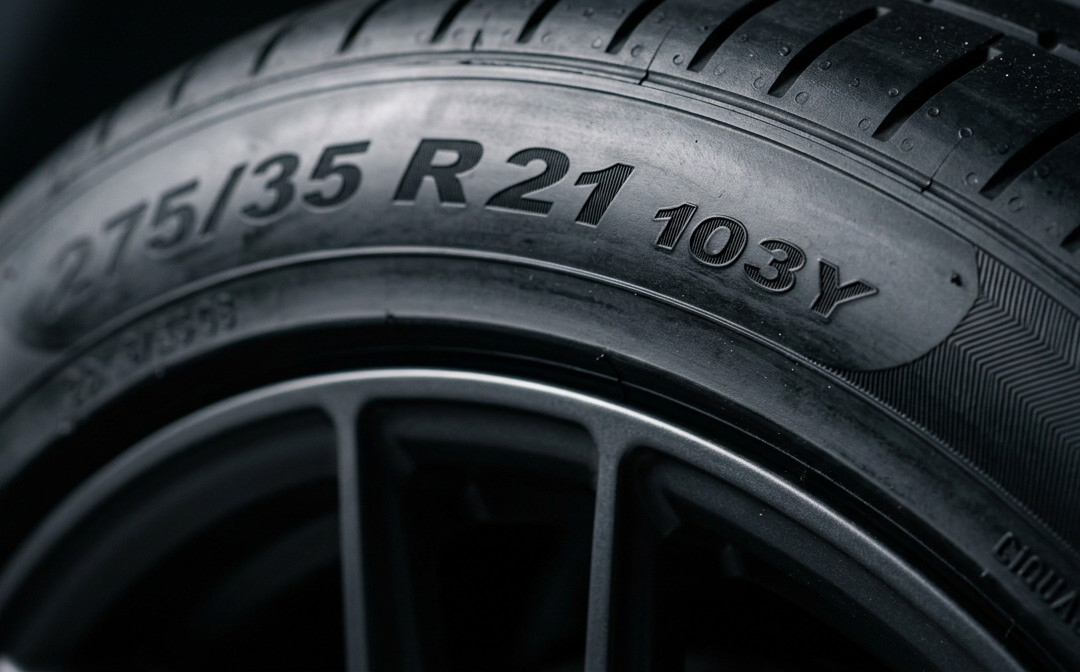
TL;DR: A tyre’s speed rating is the single letter after the load index (the “V” in 205/55R16 91V). It marks the maximum speed the tyre is built to sustain safely. Most Australian cars use T (190 km/h), H (210 km/h) or V (240 km/h). You...
by admin | Oct 30, 2026 | Fitment and Sizing
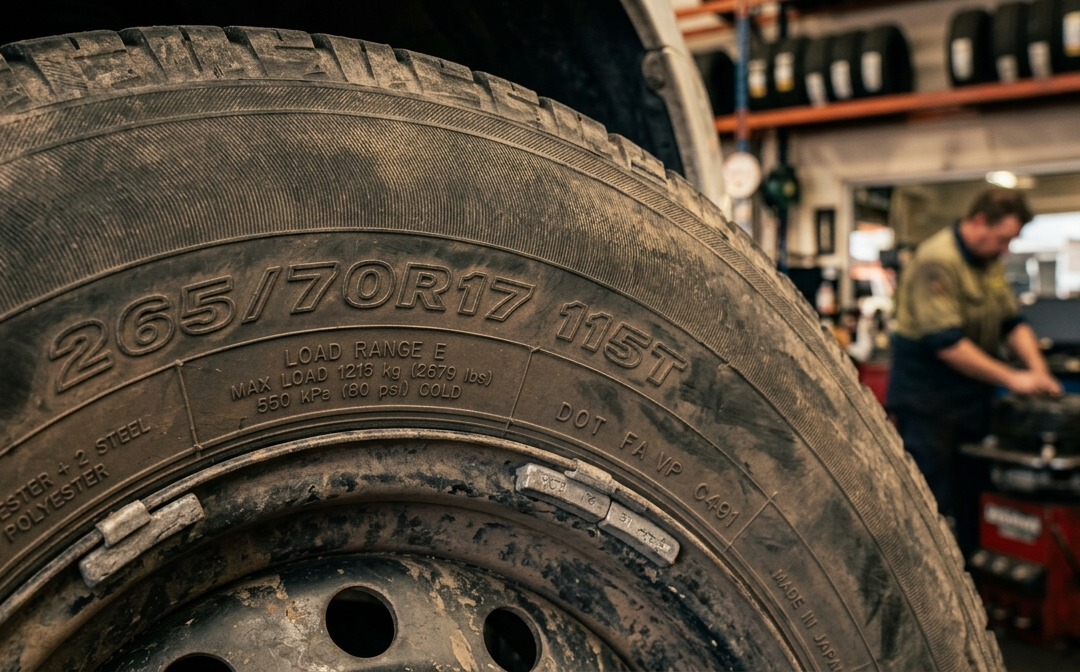
TL;DR: A tyre’s load index is a code number that tells you the maximum weight one tyre can carry at its rated speed. On an Australian passenger car it usually sits between 82 (475 kg) and 100 (800 kg); utes and 4WDs run higher. Never fit a tyre with a...
by admin | Oct 30, 2026 | Fitment and Sizing
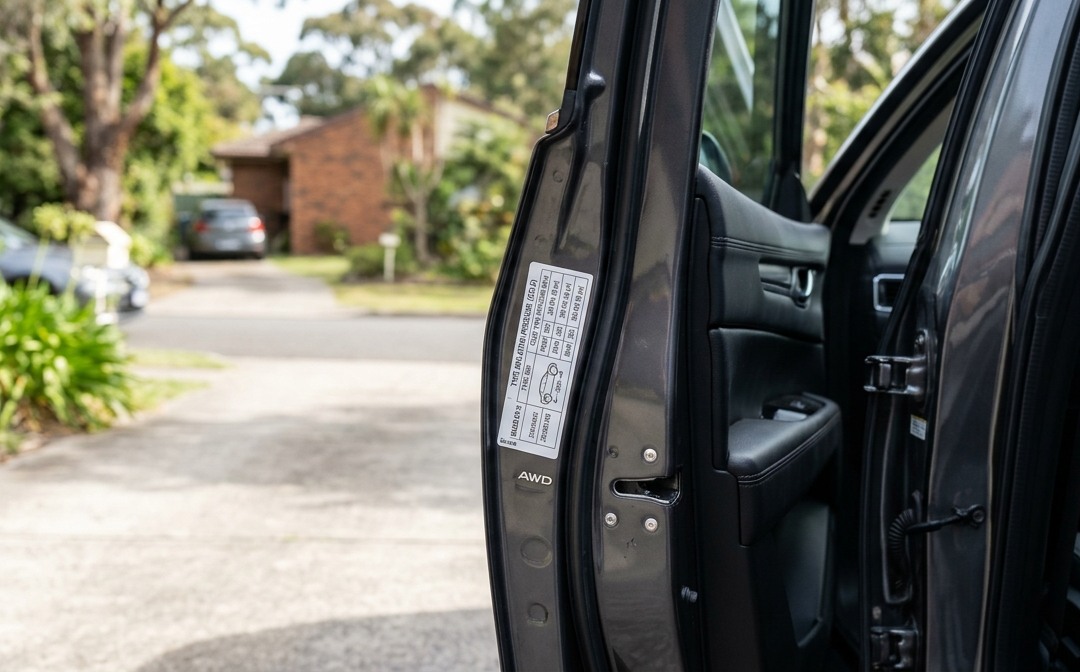
Quick answer: Your tyre placard is a small label — usually in the driver’s door jamb, fuel filler flap or glovebox — that lists the tyre sizes and cold inflation pressures the vehicle manufacturer specifies for your car. Follow it as your default. The only times...
by admin | Oct 30, 2026 | Fitment and Sizing
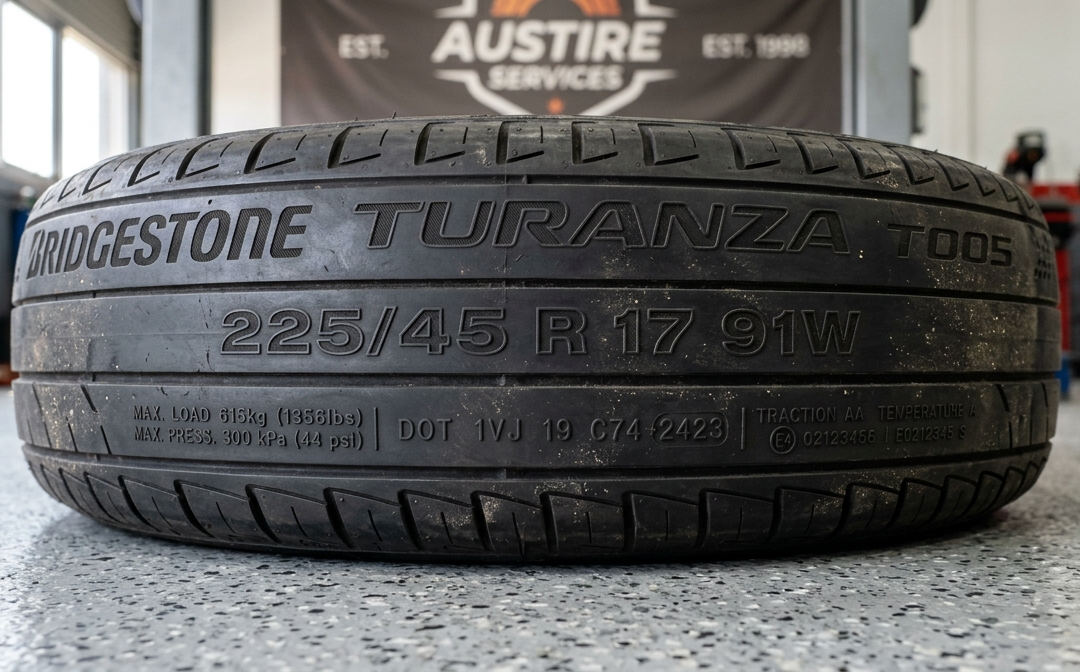
Quick answer: Your tyre sidewall reads like a code — for example 225/45R17 94W. The three-digit number is the tread width in millimetres, the two-digit number is the aspect ratio (sidewall height as a percentage of width), “R” means radial, and the last...
by admin | Oct 30, 2026 | Fitment and Sizing
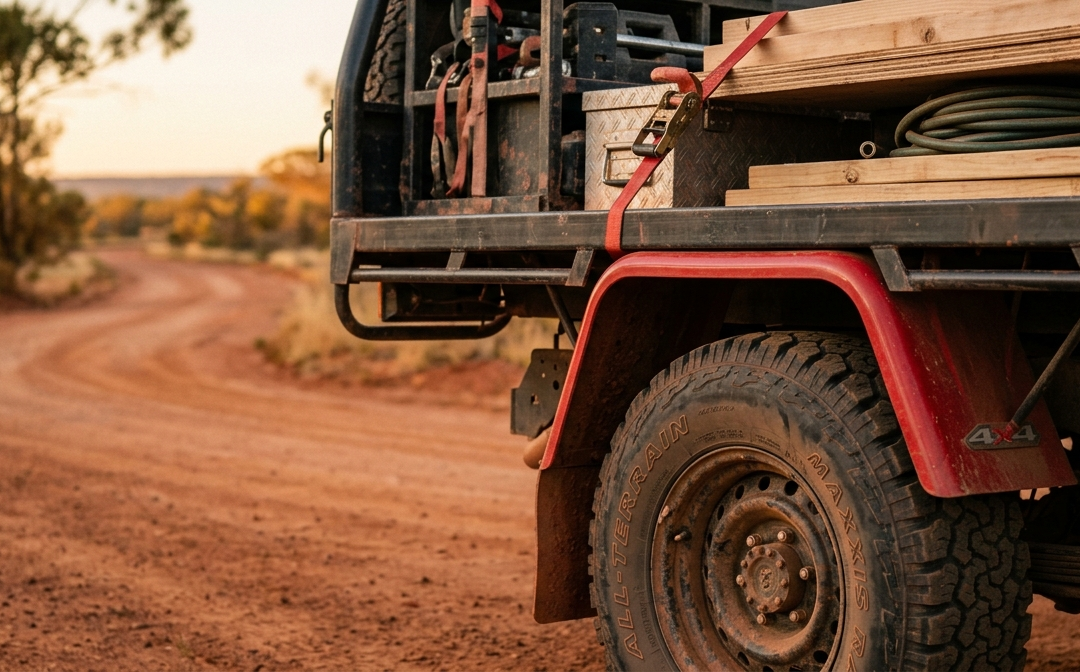
TL;DR: Fitting tyres with a load rating below your car’s placard specification is illegal and dangerous in Australia. An underrated tyre runs hotter, flexes more and can deform, wear out early or blow out — especially when loaded or towing. It can also earn a...
by admin | Oct 30, 2026 | Fitment and Sizing
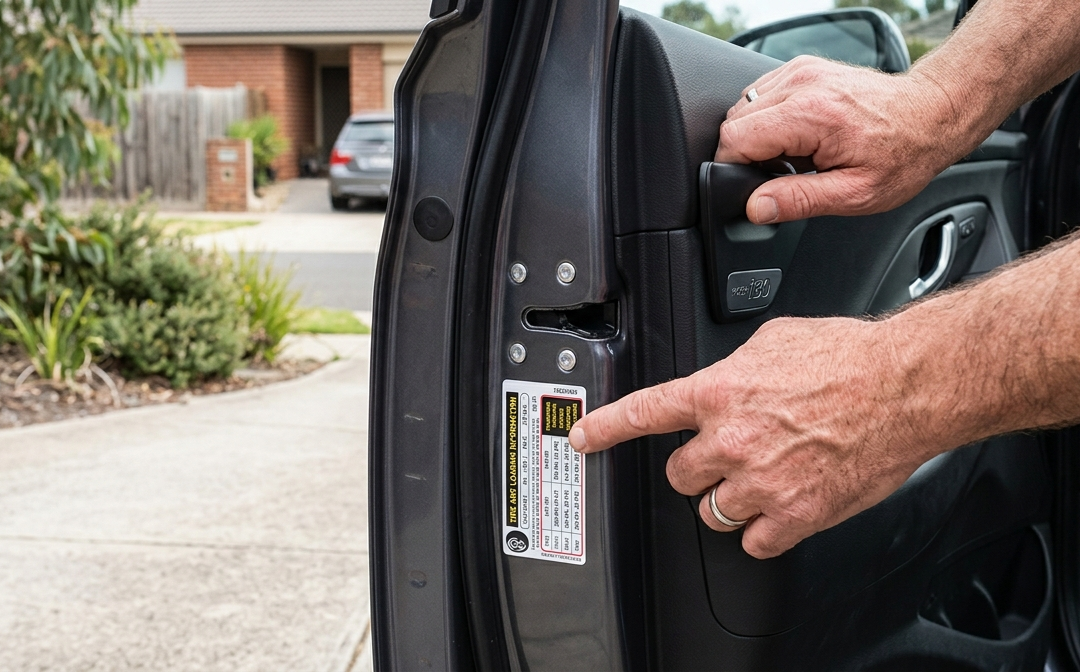
TL;DR: The original tyre size for a used car is printed on the tyre placard — a sticker usually inside the driver’s door jamb, the fuel flap or the glovebox — and repeated in the owner’s manual. Don’t rely on the tyres currently fitted, because a...
by admin | Oct 30, 2026 | Fitment and Sizing
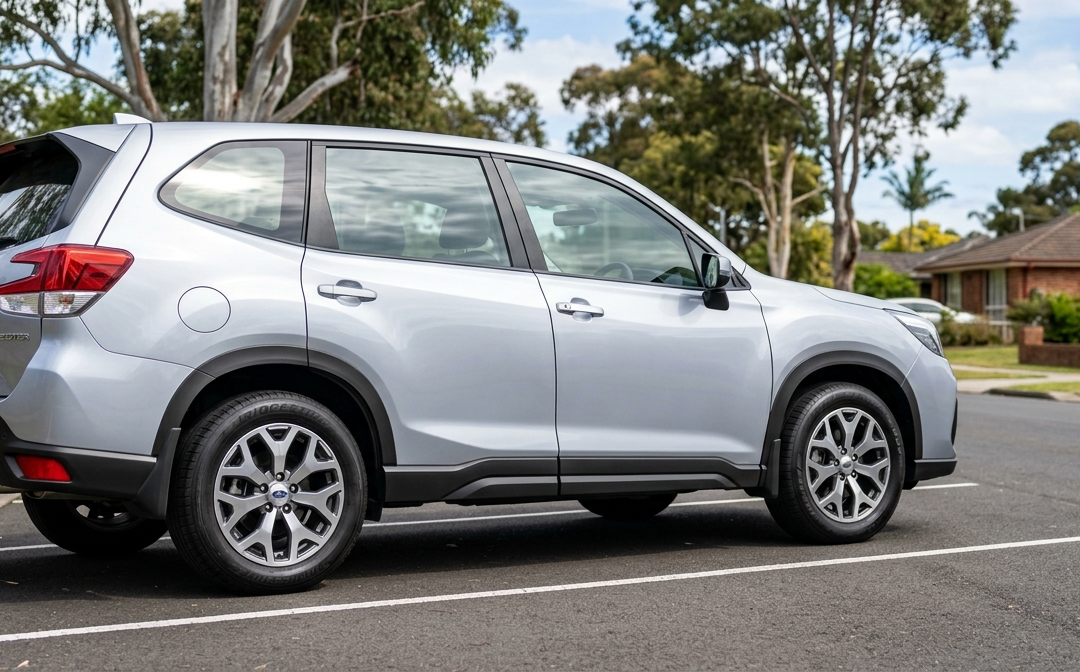
Quick answer (TL;DR): No — you shouldn’t run different tyre sizes front and rear on an all-wheel drive unless the vehicle was designed that way from the factory (a staggered setup). Mismatched rolling diameters make the AWD system think the wheels are constantly...
by admin | Oct 30, 2026 | Fitment and Sizing
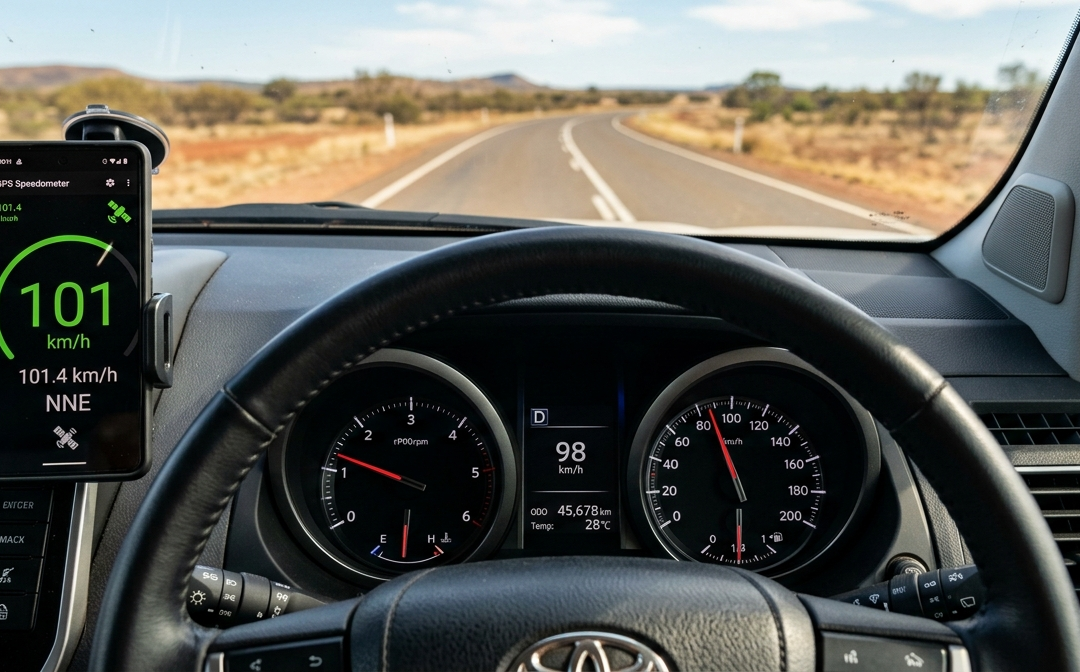
Quick answer (TL;DR): Fitting a larger overall tyre diameter makes your speedometer read slower than you’re actually travelling, which can put you over the limit without knowing. As a guide, keep the overall diameter change under about 2–3% to stay within legal...
by admin | Oct 30, 2026 | Fitment and Sizing
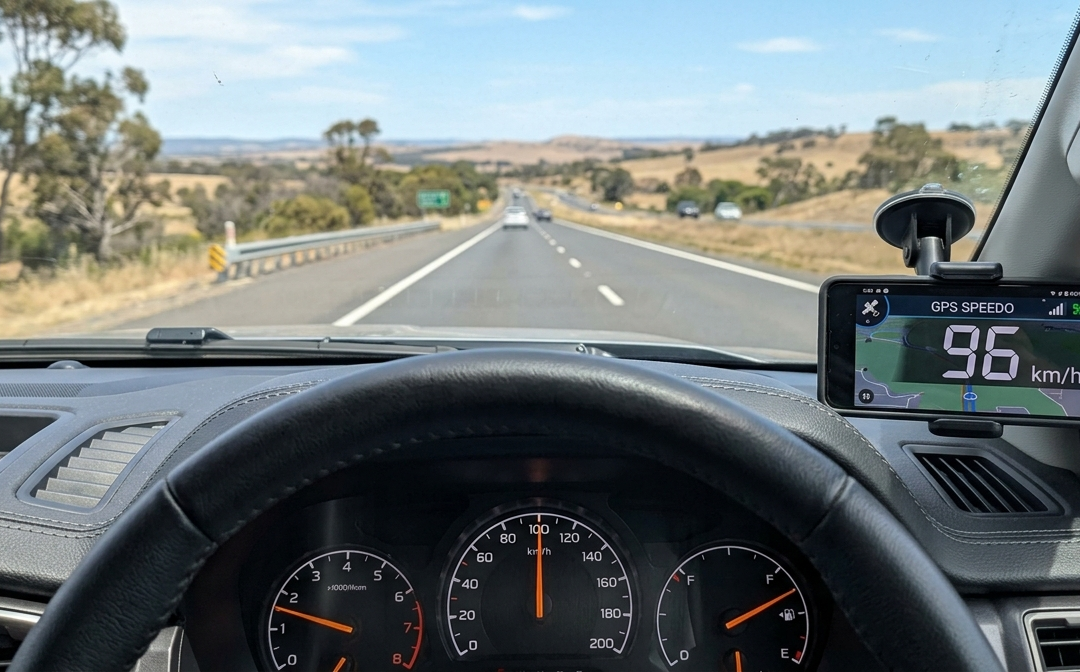
TL;DR: Your speedometer counts wheel rotations, then assumes a fixed tyre size to turn that into a speed. Fit a taller tyre and each rotation covers more ground, so the speedo reads lower than your true speed. Fit a shorter tyre and it reads higher. In Australia, ADR...
by admin | Oct 30, 2026 | Fitment and Sizing
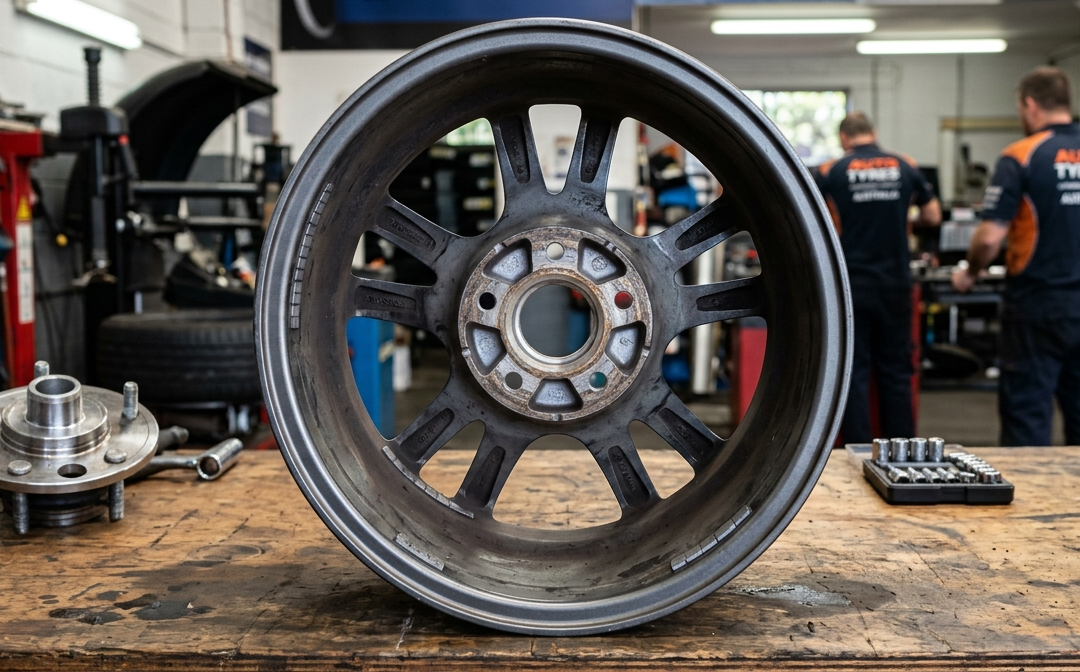
TL;DR: The centre bore is the machined hole in the back of a wheel that slides over your car’s hub spigot. On factory wheels it matches the hub exactly, so the wheel is centred before you even touch the nuts. Many aftermarket wheels have a larger centre bore,...