TL;DR: Aspect ratio is the middle number in a tyre size — the sidewall height as a percentage of the tread width. A lower number (a lower profile) sharpens steering and cornering but rides harder, picks up more road noise, and is far easier to damage on Australian potholes and kerbs. Lower is not automatically better; the right profile depends on your car, your roads and your priorities.
Low-profile tyres look fast sitting in a showroom, and plenty of Australian drivers upsize purely for the stance. But the aspect ratio isn't a styling dial — it's a fundamental tuning decision that changes how your car rides, grips, handles bumps and survives our famously rough roads. This guide explains what the number means, what you gain and lose as it drops, and how to pick a profile that suits real Australian driving rather than a car-park photo.
What does aspect ratio mean on a tyre?
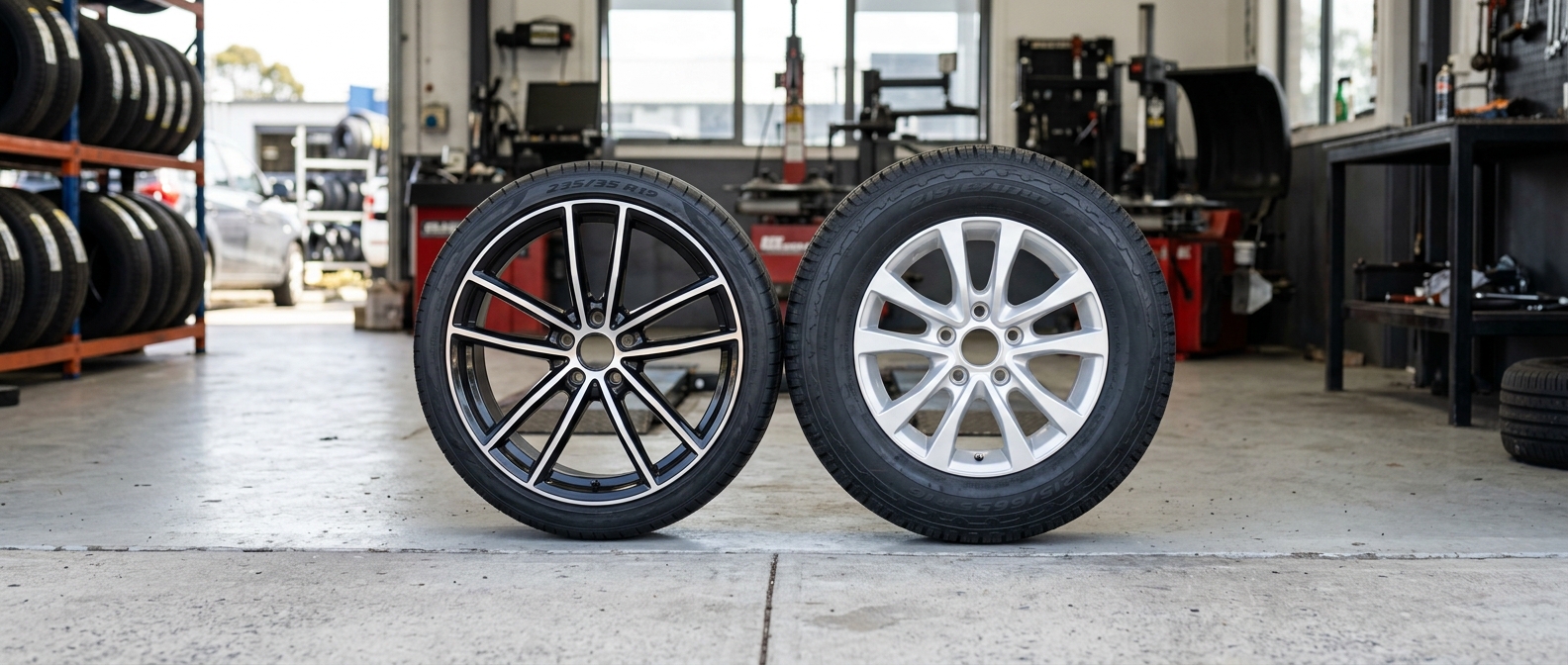
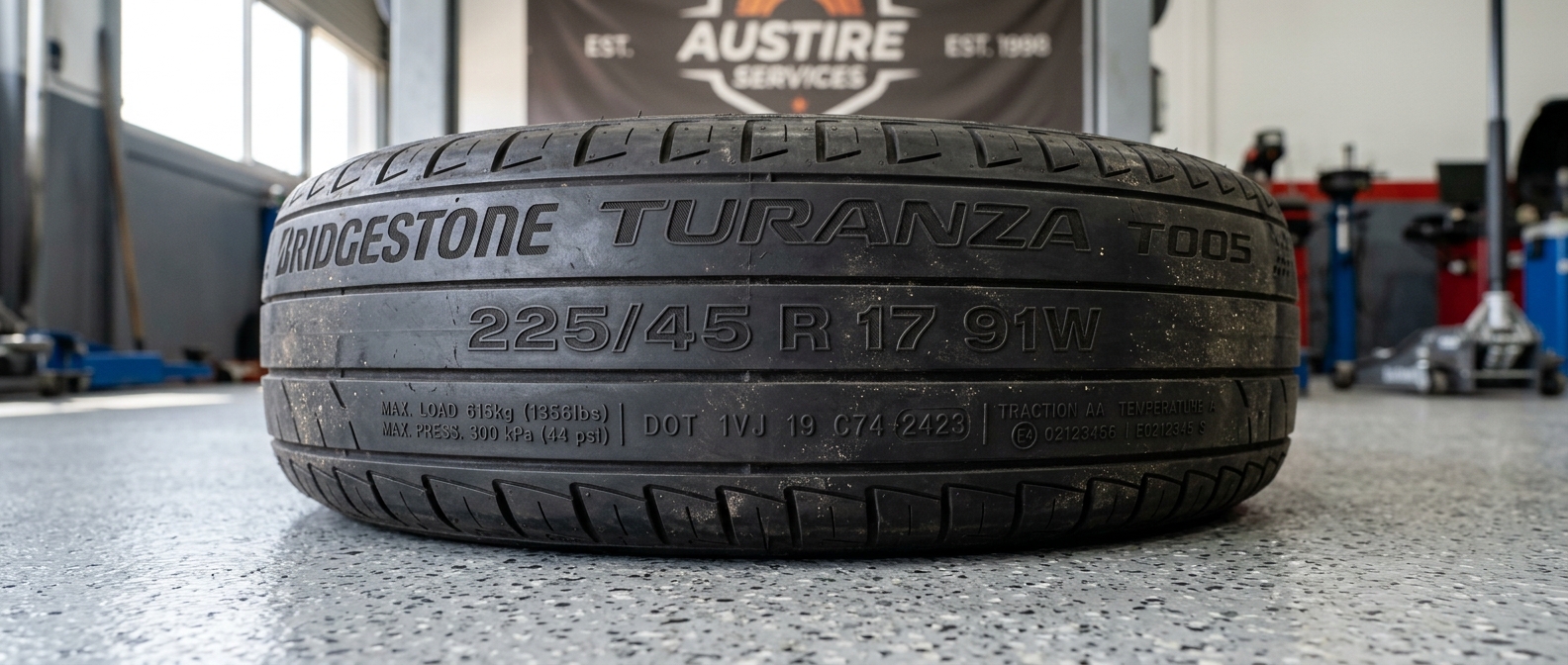
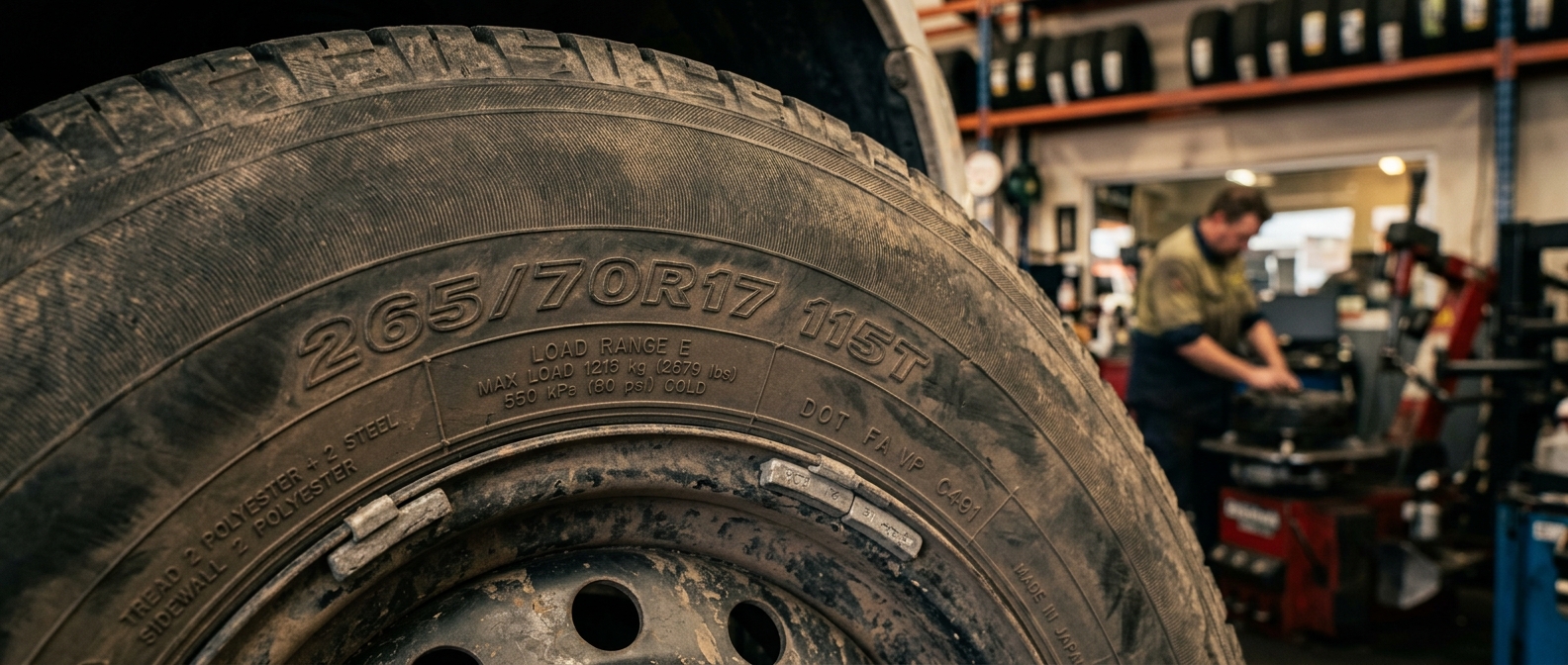
Aspect ratio is the height of the tyre's sidewall expressed as a percentage of its section width. It is the second number in a tyre size. In 225/45R18, the "45" means the sidewall is 45% of the 225 mm width — about 101 mm tall. In 225/65R17, the "65" means the sidewall is 65% of the width, roughly 146 mm. Same width, very different tyre. The lower the number, the shorter the sidewall, and the "lower profile" the tyre. If the size stamp is a mystery, start with how to read a tyre sidewall.
As a rough guide in Australia, profiles of 50 and below are considered low-profile; 55–65 is typical for family sedans and small SUVs; and 70–80 profiles are common on utes and 4WDs that need sidewall to soak up corrugations and rocks. Approved size and fitment combinations are set out in the Tyre and Rim Association of Australia Standards Manual.
Does a lower profile tyre handle better?
Generally, yes — and this is the real reason low profiles exist. A shorter sidewall flexes less under cornering load, so the tyre responds faster to steering input and holds its shape through a bend. The result is sharper turn-in, more precise steering feel and higher cornering grip on smooth, dry bitumen. Low profiles usually pair with wider treads, adding contact area for braking and grip. If you value a connected, sporty feel on good roads, a lower profile delivers it.
The catch is that this precision comes from stiffness, and stiffness is exactly what costs you comfort. The tyre's sidewall is part of your suspension — on some cars its effective spring rate is many times that of the suspension springs themselves. Take the cushioning away and every joint, pothole and coarse-chip surface transmits straight into the cabin.
Why isn't a lower profile always better?
Because Australian roads punish short sidewalls. The trade-offs stack up quickly:
- Harsher ride: less sidewall means less give, so the car "picks up every bump in the road" — noticeably firmer over expansion joints, patched bitumen and country roads.
- More road noise: lower-profile, wider tyres tend to transmit more tyre roar into the cabin, especially on coarse-chip seal.
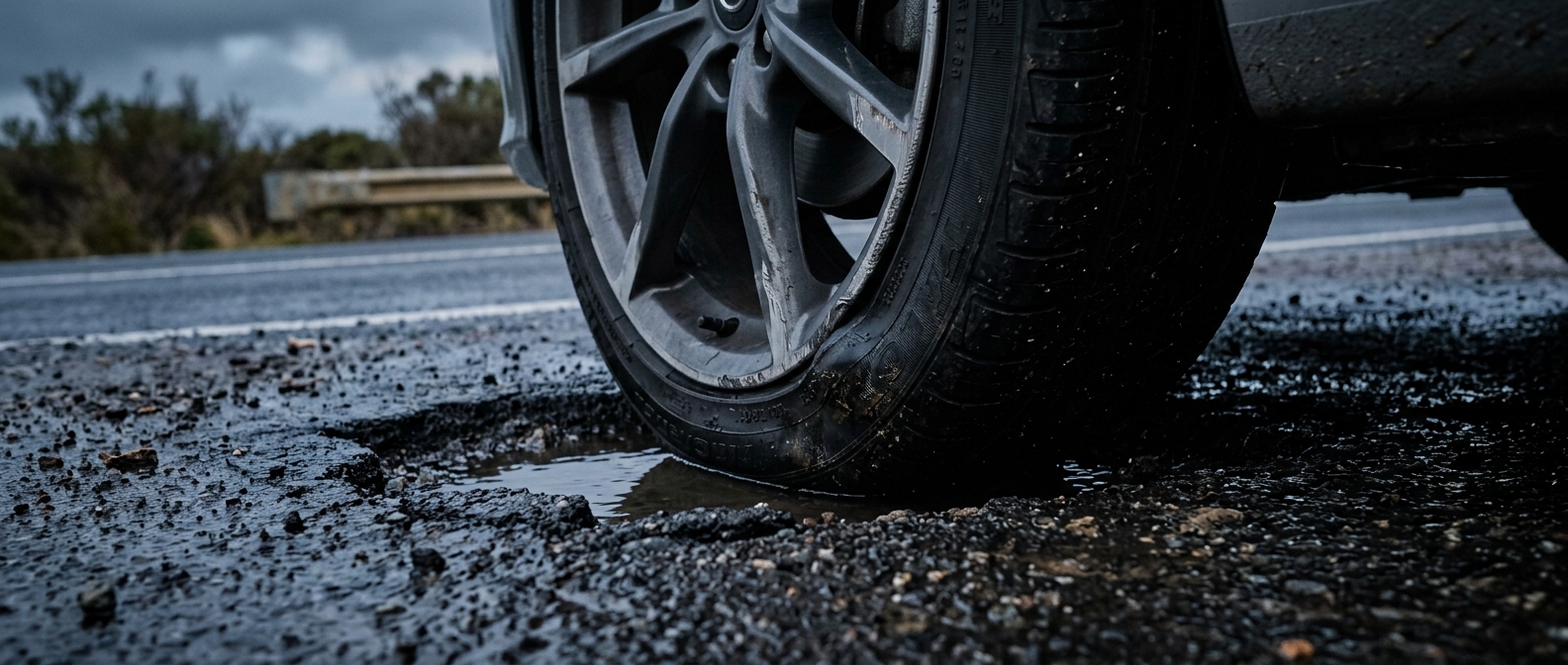
- Pothole and kerb damage: with little rubber between rim and road, low profiles (particularly 30–35 series) are vulnerable to "pinch" damage, where a sharp edge traps the tyre against the rim and cuts the sidewall — or bends the wheel outright.
- Cost: performance low-profile tyres and the bigger alloys they need are dearer to buy and to replace, and a bent rim adds to the bill.
- Repairability: sidewall damage is not repairable, so a kerb strike often means a whole new tyre rather than a patch.
Higher-profile tyres flip these trade-offs: a more comfortable ride, better resistance to impact damage on rough or unsealed roads, and generally lower cost — at the expense of a little steering sharpness and cornering stability. For a ute, caravan-tower or anything that sees dirt, that is usually the right compromise. More on the damage risk in pothole damage to tyres and wheels.
| Factor | Lower profile (e.g. 40–50) | Higher profile (e.g. 60–70) |
|---|---|---|
| Steering response & cornering | Sharper, more precise | Softer, slower |
| Ride comfort | Firmer, busier | Smoother |
| Road noise | Usually higher | Usually lower |
| Pothole / kerb resilience | Low – easily damaged | High – absorbs impacts |
| Look / stance | Sporty, fills the guard | More conservative |
| Typical cost | Higher | Lower |
Can you change aspect ratio without changing rolling diameter?
Yes — and this is the whole art of plus-sizing. If you drop the profile, you shrink the sidewall and the overall diameter; to keep the rolling diameter the same, you go up in rim size and often out in width. For example, moving from 205/55R16 to 225/45R17 keeps the overall diameter almost identical while lowering the profile from 55 to 45. Keeping diameter constant matters because it keeps your speedo honest and your fitment road-legal under VSB 14 — see what rolling diameter is and why it decides your legal tyre size and how tyre size affects your speedometer accuracy.
Want the wider look without a rim change? There's a safe range for how wide a tyre a given rim can take — covered in can you fit wider tyres on the same rim.
Which profile should you choose?
- Daily commuter / family car: stick close to the factory profile. Manufacturers tune 55–65 profiles as a sensible balance of comfort, grip and tyre cost.
- Sports or performance car: a lower profile rewards you on good roads, but budget for a firmer ride and pricier replacements. See plus-sizing a sports car.
- Small hatch or sedan owner chasing looks: weigh the stance against daily comfort and our pothole reality — plus-sizing a hatchback and plus-sizing a sedan spell out the consequences.
- SUV / ute / anything that sees dirt: keep enough sidewall to protect the rim. A higher profile is the safer, more comfortable choice — plus-sizing a medium SUV.
Whatever you choose, dropping a couple of profile points usually means a dearer tyre and bigger wheel. It's worth pricing the whole package — how much it costs to fit bigger wheels and tyres — and deciding whether the handling gain is worth it against a good-value set in the factory size (premium vs budget tyres).
Bottom line: Aspect ratio trades comfort and durability for steering sharpness. On smooth roads a lower profile feels great; on real Australian roads it rides harder, roars more and dies on potholes. Match the profile to your car and your roads — for most drivers, staying near the factory number is the smart call.
Frequently asked questions
What is a good tyre aspect ratio?
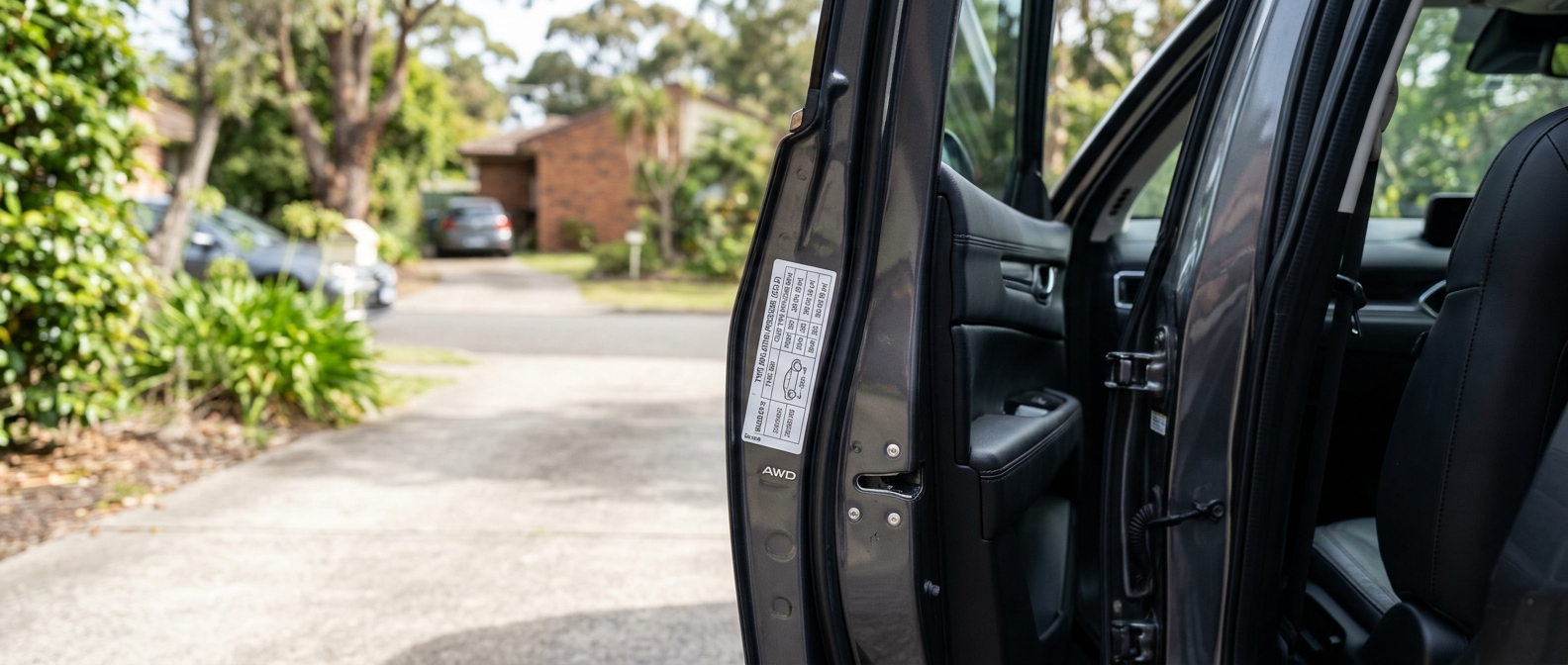
There's no single "good" number — it depends on the vehicle. Family cars and small SUVs are well served by 55–65 profiles for a comfort-and-grip balance; performance cars suit 40–50; and utes and 4WDs benefit from 65–80 to protect the rim and ride rough roads. The best starting point is the profile your manufacturer specified.
Do low-profile tyres ride harder?
Yes. The shorter sidewall flexes less, so it absorbs less of the road. You feel more of every bump, joint and coarse surface. On rough Australian roads the difference between, say, a 45 and a 60 profile is very noticeable in the cabin.
Are low-profile tyres more likely to get damaged?
Yes. With less rubber between the rim and the road, low profiles are more prone to pothole and kerb damage — cut sidewalls and bent rims. Sidewall damage can't be repaired, so an impact often means replacing the tyre.
Does aspect ratio affect the speedometer?
Only through its effect on overall diameter. Changing the profile alone changes the tyre's height and therefore the speedo reading. If you lower the profile but raise the rim size to keep the rolling diameter the same, the speedo stays accurate.
Can I just fit a lower-profile tyre on my existing wheels?
You can fit a different profile within the rim's safe width range, but it changes the overall diameter, which affects your speedo and may push the fitment outside Australia's legal tolerance. For a like-for-like profile change, most people go up a rim size at the same time to keep the diameter constant.

0 Comments