
The short answer: One model name can cover many builds. Trim level, optional wheel packages, the model year or generation, and even the engine or drivetrain all change the factory tyre size. That’s why a “Toyota RAV4” or “Ford Ranger” can wear anything from 17-inch to 20-inch tyres. Always match your own car’s placard, not the model name.
It’s one of the most common causes of buying the wrong tyres. You tell the counter “it’s a Mazda CX-5” or search the model name online, and you’re shown a size that doesn’t match what’s actually on your car. The model name is only the starting point. Underneath it, a single nameplate can have half a dozen factory-approved tyre sizes. Here’s why — and how to find the exact size that applies to your car.
Why does one model have several factory tyre sizes?
A modern model range is really a family of variants that share a name. Manufacturers deliberately fit different wheels and tyres across that family for cost, marketing and engineering reasons. The five biggest drivers are trim level, optional wheel packages, generation changes, drivetrain, and market variation.
1. Trim levels
The base model and the top-spec model are pitched at different buyers. Entry variants usually get smaller wheels with taller-profile tyres — they’re cheaper to produce, ride more comfortably and cost less to replace. Sport and luxury variants get larger-diameter wheels with lower-profile tyres for looks and handling. A base hatch might run 15-inch tyres while the sports version of the identical car runs 18s.
Crucially, these different sizes are engineered to keep roughly the same rolling diameter, so the speedo and drivetrain stay accurate. As the wheel gets bigger, the aspect ratio (sidewall height) drops to compensate. That’s the trick behind plus-sizing, and it’s why the numbers look so different for the same car.
2. Optional wheel and package upgrades
Even within one trim, buyers often tick an options box — an alloy upgrade, a styling pack, or a towing package. Each can change the fitted tyre size. Two identical-looking cars off the same production line can leave the dealer on different tyres purely because one buyer paid for the bigger wheels.
3. Model year and generation
Nameplates run for decades and get facelifts and full redesigns along the way. A tyre size that fitted a 2014 model of a car may be completely wrong for the 2022 version, even though both wear the same badge. This is exactly why buying by model name alone catches out owners of used cars — see our guide to finding the original tyre size for a used car.
4. Engine and drivetrain
Heavier engines, all-wheel-drive hardware or a higher tow rating can push a variant into a tyre with a higher load index or a different size altogether. Performance variants may also carry a higher speed rating. Some performance and prestige models even run a staggered setup with wider tyres on the rear axle than the front.
5. Market and region
The same global model is specced differently for different markets. An Australian-delivered variant can carry a different tyre size to the US or European version. This is the trap with overseas VIN-lookup and tyre-size websites — they can return a fitment for the wrong market. Always confirm against the car in front of you.
How the sizes still work together
Here’s a simplified example of how one SUV nameplate might span several factory sizes while keeping a near-constant rolling diameter:
| Variant | Typical wheel | Example tyre size | Why |
|---|---|---|---|
| Base | 17-inch | 225/65 R17 | Comfort, lower cost, taller sidewall |
| Mid | 18-inch | 235/60 R18 | Balance of ride and looks |
| Sport / top-spec | 19-inch | 235/55 R19 | Handling and appearance, lower profile |
Illustrative only — do not use these as your fitment. As the rim grows, the sidewall shrinks so the overall diameter barely changes. This is why you can’t assume a size from the badge: you need the placard for your specific build.
How do I find the right tyre size for my exact car?
Ignore the model name and go to the sources that describe your individual vehicle, in this order:
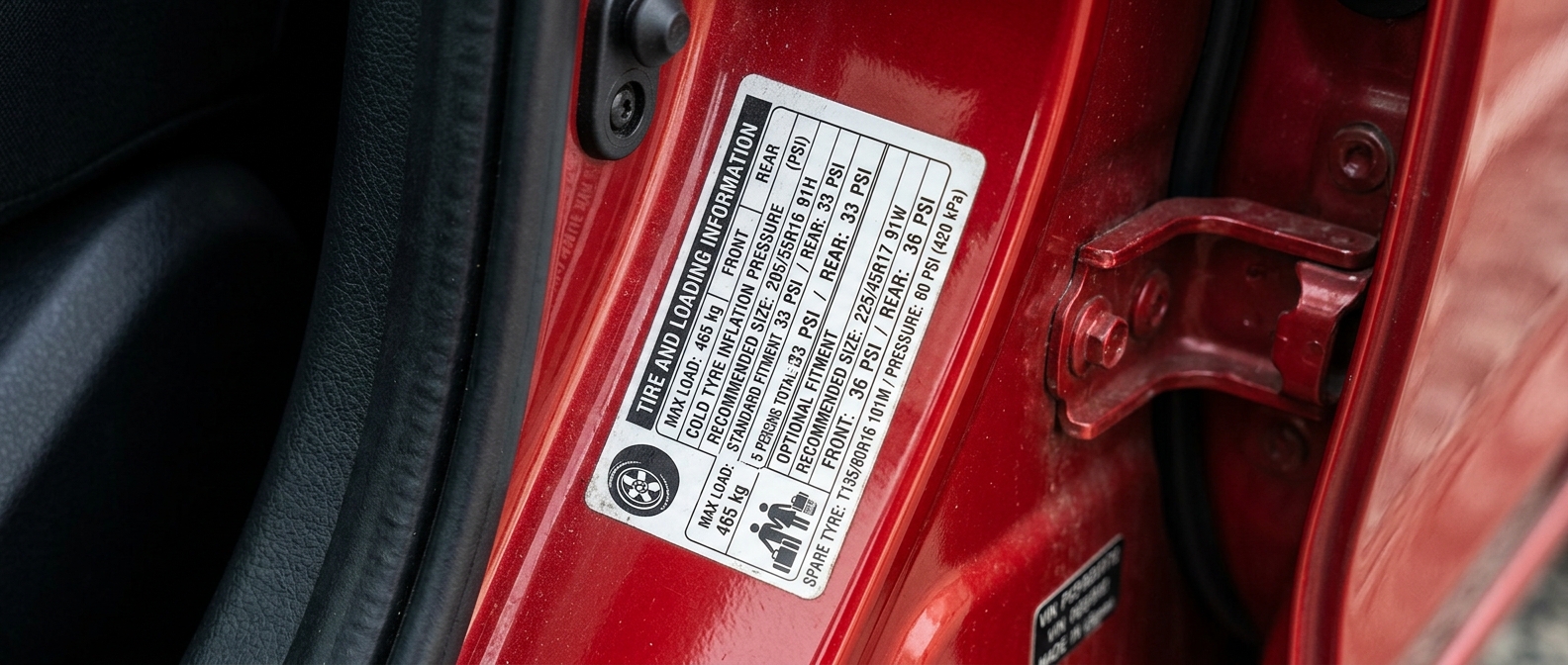
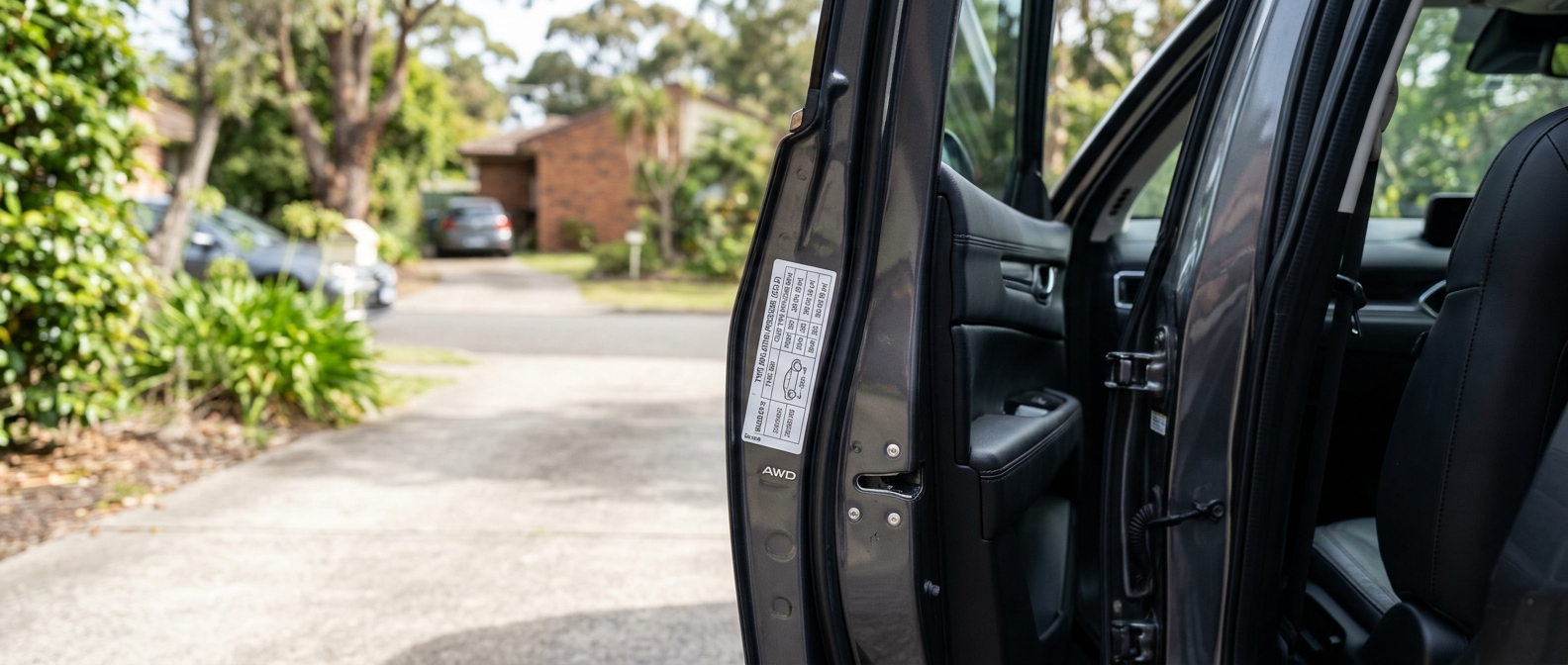
- The tyre placard. This is the authority. It’s usually inside the driver’s door opening, and sometimes in the glovebox, fuel filler flap or under the bonnet. Learn to read it with our guide to reading your car’s tyre placard. Many placards list both a standard and an optional size — either is legal for your car.
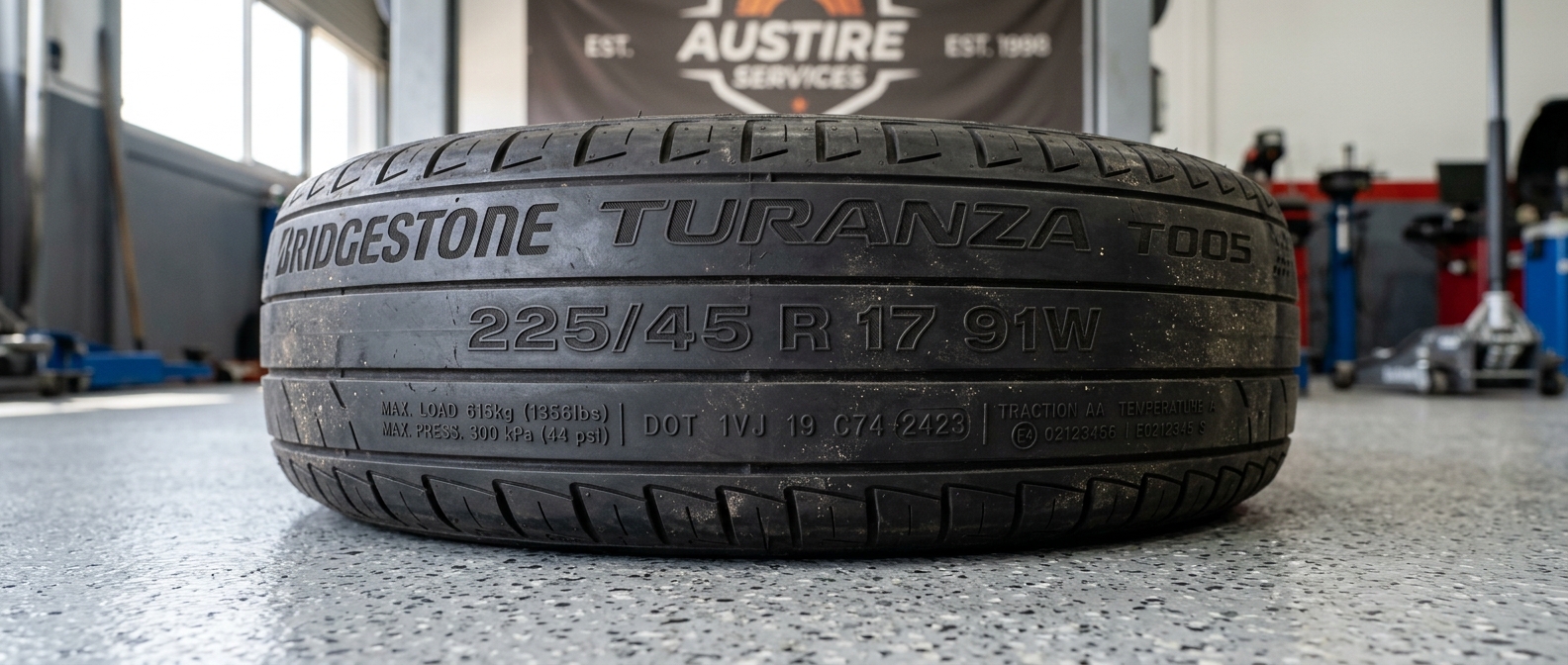
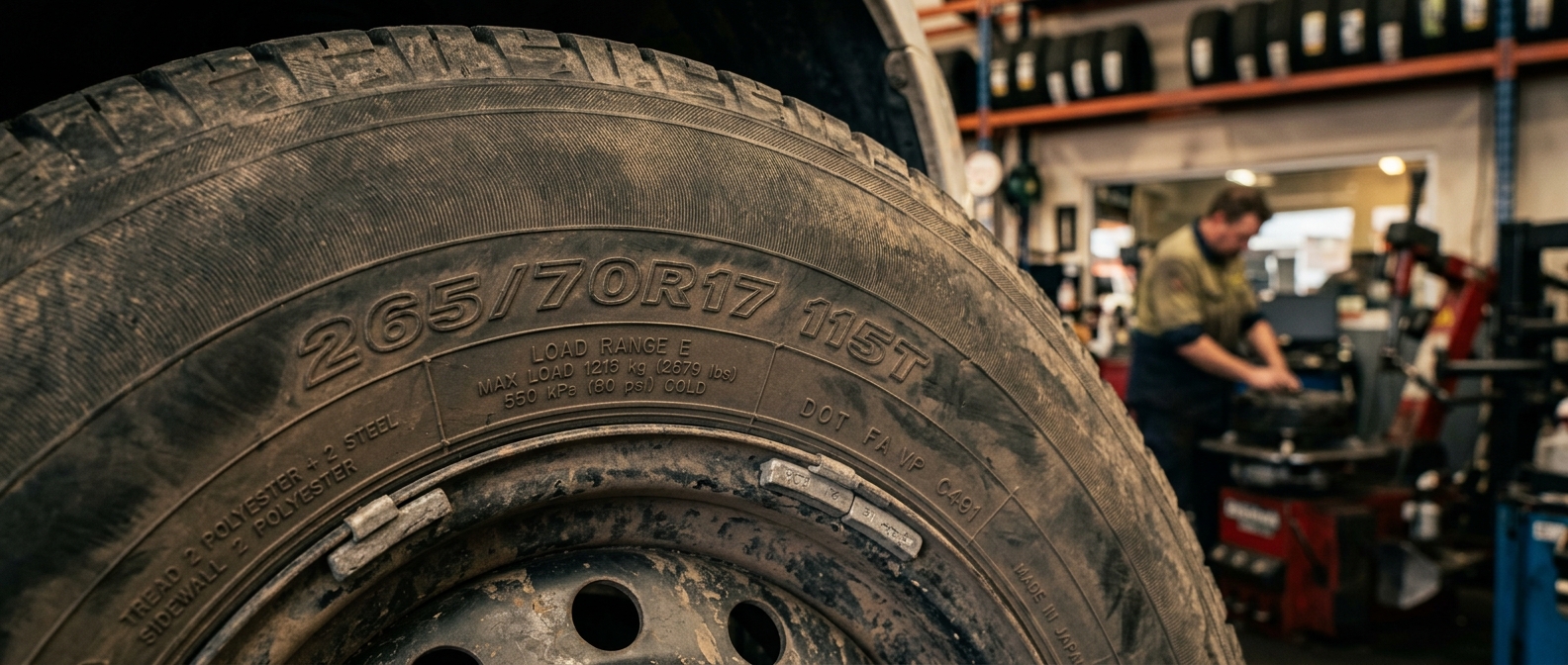
- The sidewall of your current tyres. The size is moulded onto every tyre; our guide to reading a tyre sidewall decodes it. Just remember a previous owner may have fitted the wrong size, so cross-check against the placard.
- The owner’s manual. It lists the approved sizes for your variant and any optional fitments.
If your car is a model with lots of variants, a dedicated model guide can save time — for example our Ford Ranger tyre and wheel guide lays out the sizes by variant. Whatever you fit, keep the same overall diameter unless you understand the effect a size change has on your speedo, and take care mixing sizes on an all-wheel-drive car — see can you mix tyre sizes front and rear on an AWD.
Bottom line: the model name tells a tyre shop almost nothing. Trim, options, model year and drivetrain all change the factory size, and the same badge can span 17s to 20s. The only reliable answer is your own car’s tyre placard — read that, and you’ll buy the right tyre every time.
Frequently asked questions
Why does my car’s tyre size differ from what’s listed online for the model?
Because online listings usually show one variant. Your trim level, optional wheels, model year and drivetrain can all carry a different factory size. The placard on your actual car overrides any generic model listing.
Can I fit the bigger wheels from a higher trim to my base model?
Often yes, because manufacturers keep the rolling diameter similar across trims, but not always — brake clearance, load rating, guard clearance and speedo accuracy all need to check out, and the fitment must stay legal. Confirm the specific size against your placard and a fitter before buying.
Are both sizes on my placard legal to fit?
Yes. Where a placard lists a standard and an optional size, both were approved by the manufacturer for your car. Either is a legal, correct fitment.
Why do overseas tyre-size lookups give me the wrong answer?
Global models are specced differently by market, so a US or European database can return a size that was never fitted to the Australian version. Always confirm against your placard or an Australian dealer.
External references: Bridgestone Australia: Understanding tyre sizes; Australian Government — vehicles and standards. Confirm the exact fitment for your build against your vehicle’s placard.

0 Comments