Staggered Wheel Setups: What They Are and Who Should Run One
What is a staggered wheel setup?
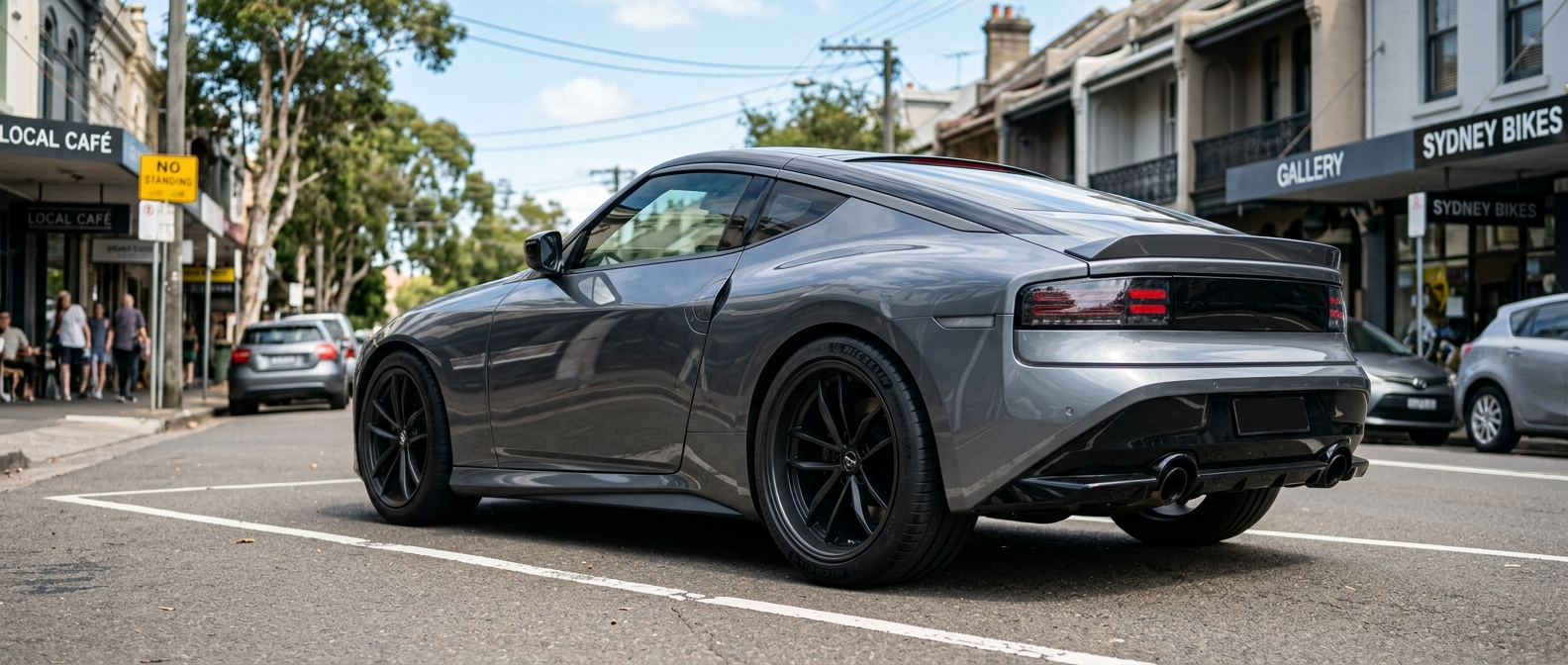
A staggered wheel setup (also called a staggered fitment) means the front and rear wheels of your car are different widths. The rear wheels are wider than the fronts, and on many performance cars they’re a larger diameter as well. A car with the same size on all four corners runs what’s called a “square” setup.
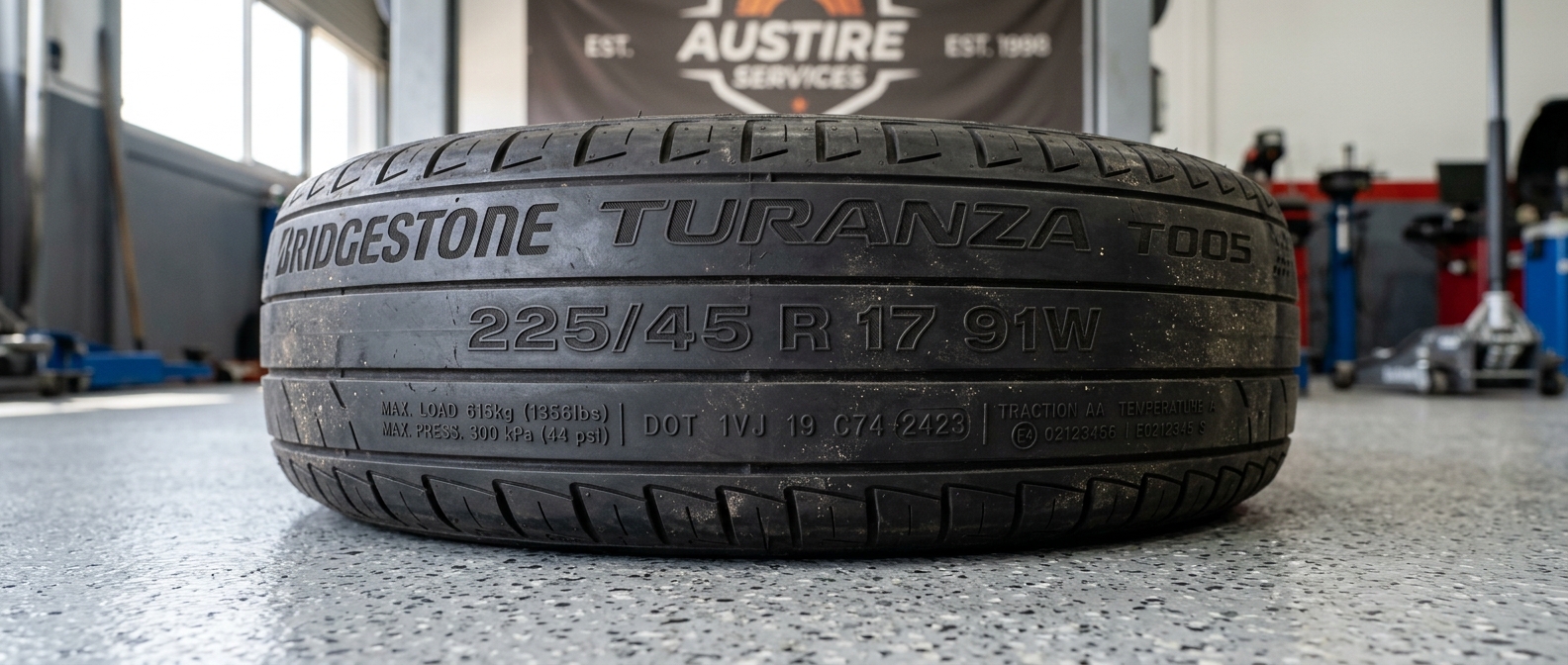
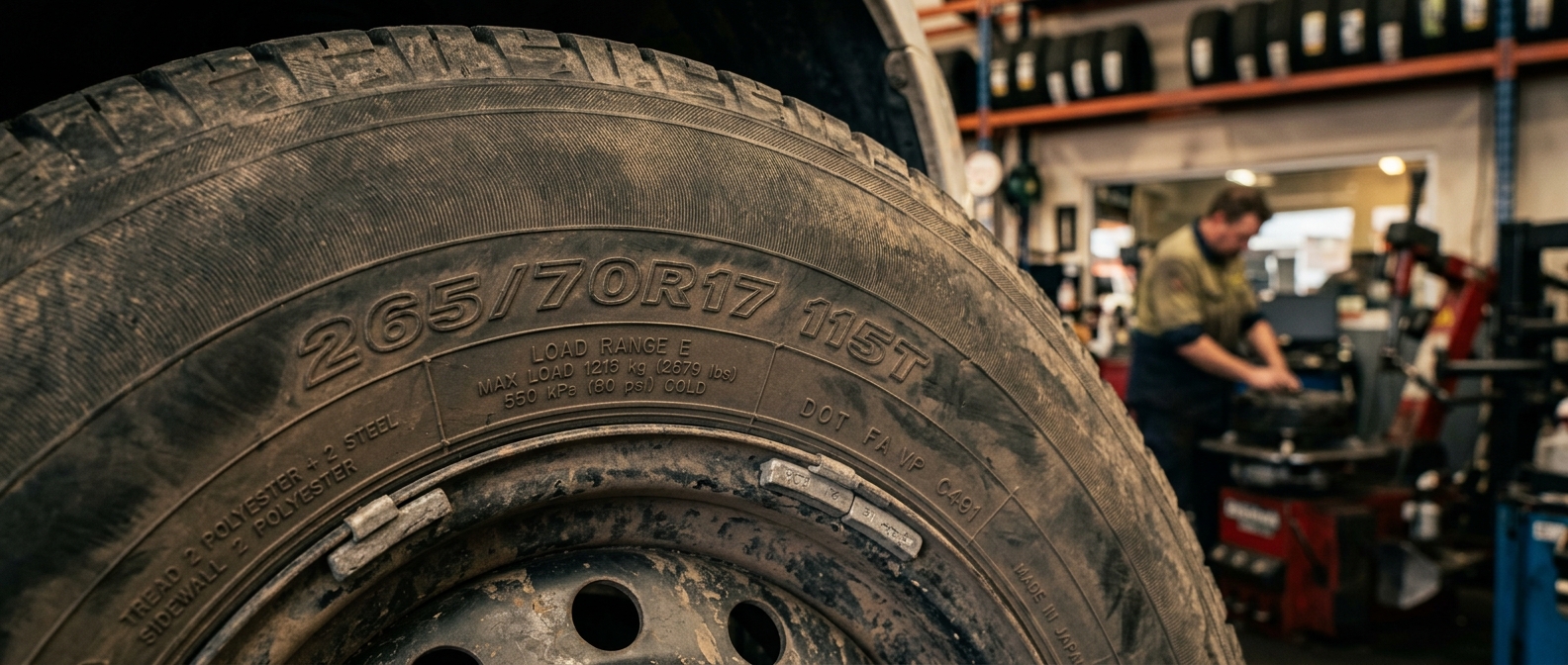
You’ll spot a staggered fitment on the sidewall markings. A car might wear 245/35 R19 on the front and 275/30 R19 on the rear, for example. The rear tyre is 30 mm wider. If you’re not sure how to decode those numbers, our guide on how to read a tyre sidewall breaks down every figure.
Staggered setups are almost always a rear-wheel-drive (RWD) thing. The wider rear tyres put more rubber on the road exactly where a RWD car sends its power, which helps it get that power down without spinning the rears.
Why do carmakers use wider rear tyres?
There are three real reasons a manufacturer or enthusiast chooses a staggered fitment, and one that’s purely about looks.
Traction on powerful RWD cars
Cars like the BMW M3, Porsche 911, Mercedes-AMG GT and Chevrolet Corvette send big power exclusively to the rear wheels. A wider rear tyre increases the contact patch, so the car can put down torque without lighting up the rears. On a 500 horsepower coupe, that extra traction is genuinely useful, not just decoration.
Handling balance
Engineers use tyre width front-to-rear to tune how a car behaves. A wider rear adds rear grip and stability, which can be dialled in to reduce the tail stepping out under power. The flip side is that it tends to add a touch of understeer (the front washing wide first), because the front now has relatively less grip than the rear.
Stance and looks
For a lot of owners, the appeal is the aggressive, planted look of fat rear tyres filling the guards. That’s a legitimate reason to want it, but it’s the one most likely to lead people into a fitment that costs more to run than they expected.
Who should actually run a staggered setup?
A staggered fitment makes sense if you:
- Drive a powerful RWD sports car or performance sedan that came staggered from the factory;
- Do track days or spirited driving where rear traction and handling balance matter;
- Are chasing a specific look and accept the higher running cost that comes with it.
It usually doesn’t make sense if you drive a front-wheel-drive car (there’s no traction benefit at the driven wheels), a daily commuter where tyre cost matters, or an all-wheel-drive vehicle where mismatched rolling diameters can cause real damage — more on that below. If you’re weighing up a wider setup on a performance car, our guide to plus-sizing a sports car covers the grip-versus-ride-versus-cost trade-off in detail.
Can you rotate tyres on a staggered setup?
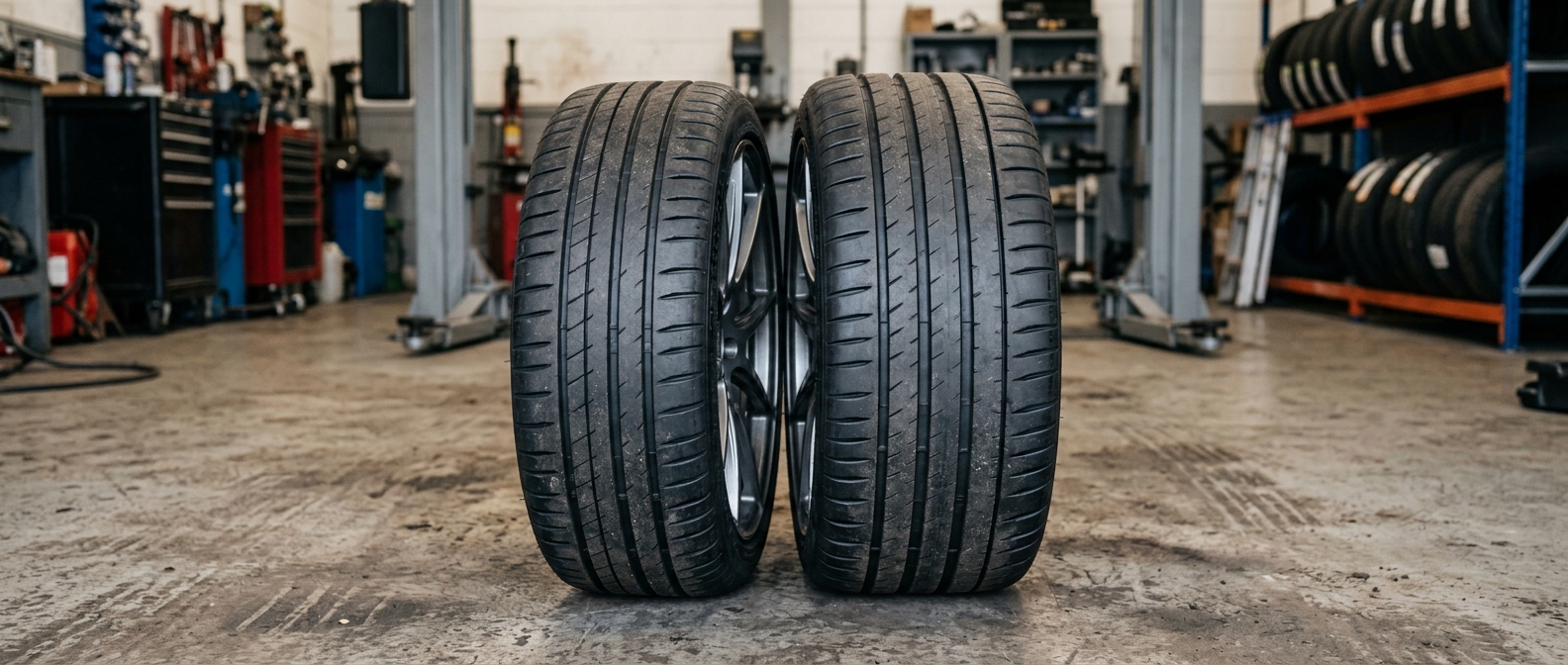
This is the single biggest catch, so it’s worth being clear. Because the front and rear tyres are different sizes, you cannot rotate them front-to-rear the way you would on a square setup. The rubber physically won’t swap axles.
Your only options are:
- Side-to-side on the same axle — and only if the tyres are non-directional. Left rear swaps with right rear.
- No rotation at all if the tyres are directional (marked with an arrow and a “rotation” label), because directional tyres can only spin one way. Swapping them side-to-side would run them backwards.
Because front-to-rear rotation is off the table, the drive tyres on a RWD car wear faster than the fronts and there’s no easy way to even that out. We cover the full picture in can you rotate staggered wheel setups? and the general rules in tyre rotation patterns explained.
What does a staggered setup cost to run?
Staggered fitments cost more to own than square setups, for a few compounding reasons:
| Factor | Square setup | Staggered setup |
|---|---|---|
| Tyre rotation | Full front-to-rear rotation evens wear | Limited or none — rears wear out first |
| Replacement | Often all four together | Usually rears in pairs, more often |
| Buying flexibility | One size to price-shop | Two sizes; less common sizes cost more |
| Spare wheel | One spare fits any corner | A single spare won’t fit both axles |
The rear tyres take the driving forces and wear out sooner, so you’ll replace them more often. You also lose the ability to stretch overall tyre life by rotating. And if you ever need a fitting size that’s less common, expect to pay a premium and wait longer — something to keep in mind if you live outside a capital city. It’s the same reasoning behind why the rim width to tyre width chart matters: the tyre and rim have to be a sensible pairing on each axle.
The spare tyre problem
On a staggered car, a single spare can only ever match one axle. Many staggered performance cars get around this by not carrying a full-size spare at all — they ship with a space-saver, a tyre repair kit, or run-flat tyres instead. If yours has a space-saver, it’s a get-home-slowly item, not a fix. Know which one you’ve got before you’re stranded, and check the setup applies equally at both ends.
Is a staggered setup legal in Australia?
Running different tyre sizes front-to-rear is legal in Australia provided the fitment is done properly. The key rules to respect are:
- Same size across each axle. Both front tyres must match each other, and both rears must match each other. Mixing sizes side-to-side on one axle is not acceptable.
- Wheels and tyres must sit within the guards (or under compliant flares) and not foul suspension or bodywork at full lock and full compression.
- Load rating must be maintained. Every tyre must meet or exceed the load rating on your placard.
- Track width and diameter changes beyond set limits can require certification by a licensed engineer or approved examiner.
Rules on running different sizes front-to-rear and on wheel modifications vary by state and are administered by your state road authority, so confirm the specifics before you commit. Our guides on running different tyre sizes front and rear legally and whether you need an engineer’s certificate for bigger wheels explain where the lines sit. The national Vehicle Standards Bulletin 14 (VSB 14) is the reference document that state authorities and fitters work to for wheel and tyre modifications.
Staggered vs square: which should you choose?
If your car was designed and delivered as a staggered setup, keep it staggered — the suspension and alignment were tuned around it. If you’re converting a square car to staggered purely for looks, go in with eyes open: you’re signing up for faster rear wear, higher tyre bills and a spare that won’t fit all round. For a car that’s genuinely used hard on track, the handling and traction gains can be worth every cent. For a daily driver, a quality square setup is cheaper and easier to live with.
Before you change anything, make sure the wheels themselves fit your hubs correctly — a wider rear wheel is no good if it isn’t centred properly. That’s the difference between hub-centric and lug-centric fitment, and it decides whether your new wheels run smooth or shake. Getting the offset and backspacing and bolt pattern (PCD) right is equally non-negotiable.
Frequently asked questions
Can you put a staggered setup on a front-wheel-drive car?
You can physically fit wider rear wheels, but there’s no traction benefit because a FWD car is driven and steered by the front wheels. Wider non-driven rears mainly add cost and wear the fronts out faster with no upside, so it’s rarely worthwhile.
Do staggered tyres wear out faster?
The rear tyres on a staggered RWD car wear faster than the fronts because they handle the driving forces and can’t be rotated to the front to even out. Expect to replace rears more often than fronts.
Can you fit a staggered setup to an AWD car?
It’s risky. All-wheel-drive systems need closely matched rolling diameters front-to-rear, and staggered fitments can exceed the tolerance, which strains the centre differential. Some AWD cars are factory-staggered with matched diameters, but never improvise one. See mixing tyre sizes on an AWD.
Is a staggered setup legal in Australia?
Yes, provided both tyres on each axle match, the wheels sit within the guards, load ratings are met and any track or diameter changes stay within limits or are engineer-certified. Rules vary by state — confirm with your state road authority.
Do I need different spares for a staggered car?
A single spare can only match one axle. Most staggered cars use a space-saver, a repair kit or run-flats instead of a full-size spare. Check what your car carries before you need it.

0 Comments