Blog
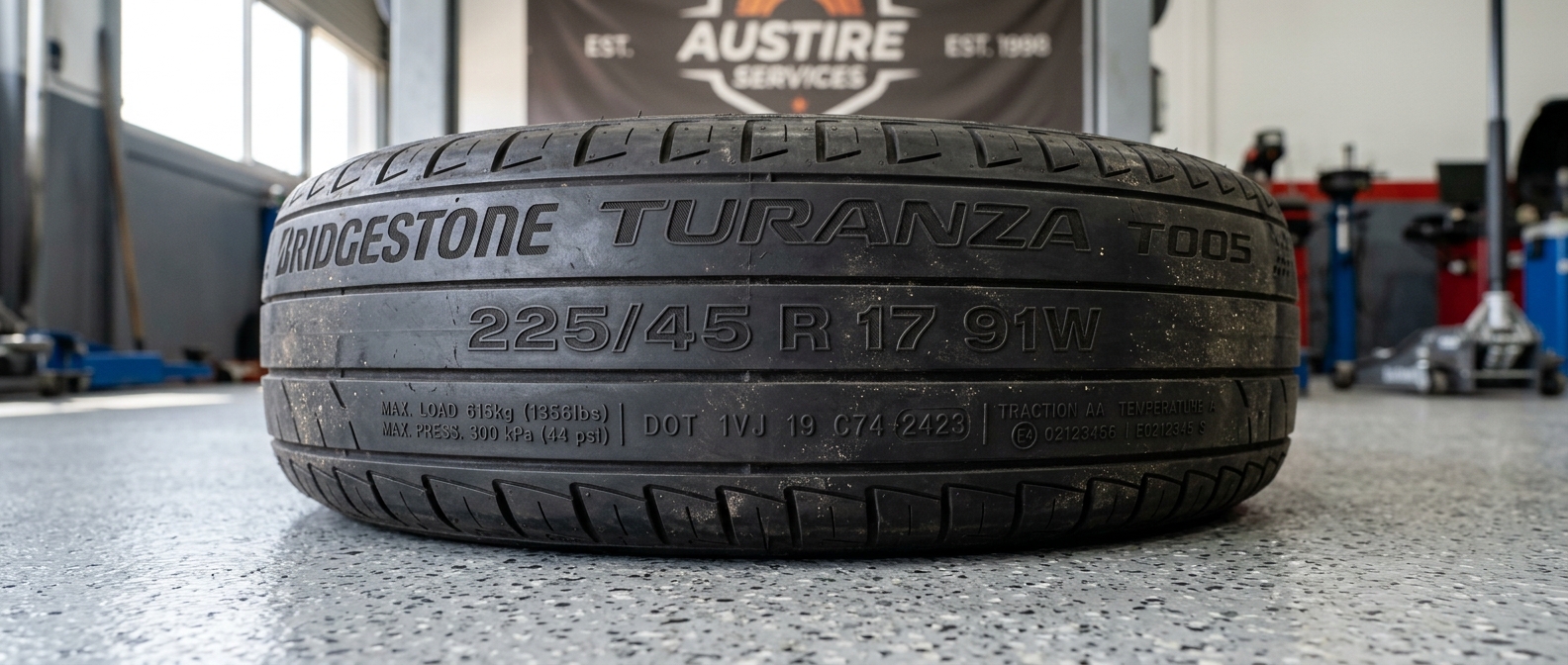
How to Read a Tyre Sidewall: Every Number and Letter Decoded
Learn how to read a tyre sidewall in plain English — size, load index, speed rating and the DOT date code decoded for Australian drivers, with charts.
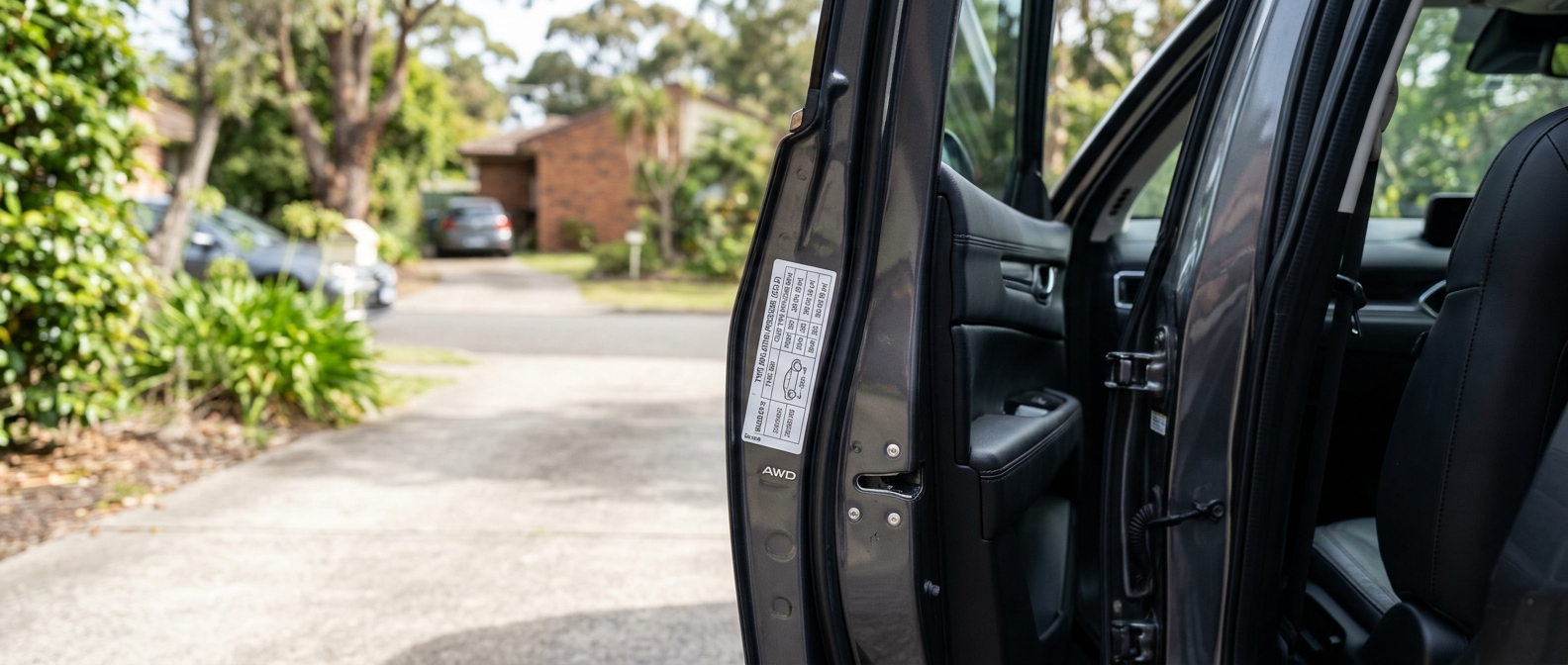
How to Read Your Car’s Tyre Placard (and When to Ignore It)
Where to find your car’s tyre placard, how to read its sizes and pressures, kPa-to-psi conversions, and the few times it’s safe to adjust from it.
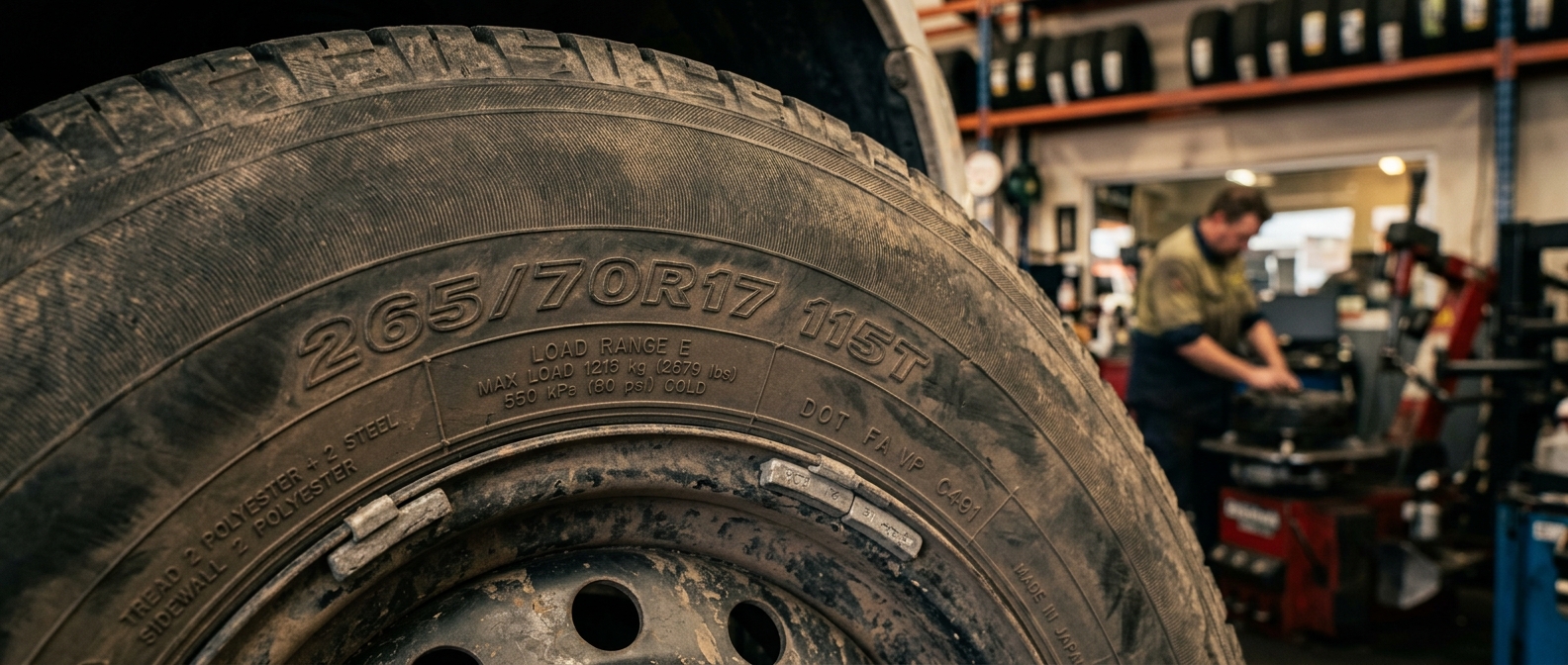
Tyre Load Index Chart for Australian Vehicles
Tyre load index chart for Australian vehicles: what the number means in kilograms, typical car, SUV and ute ratings, and why you must match your placard.
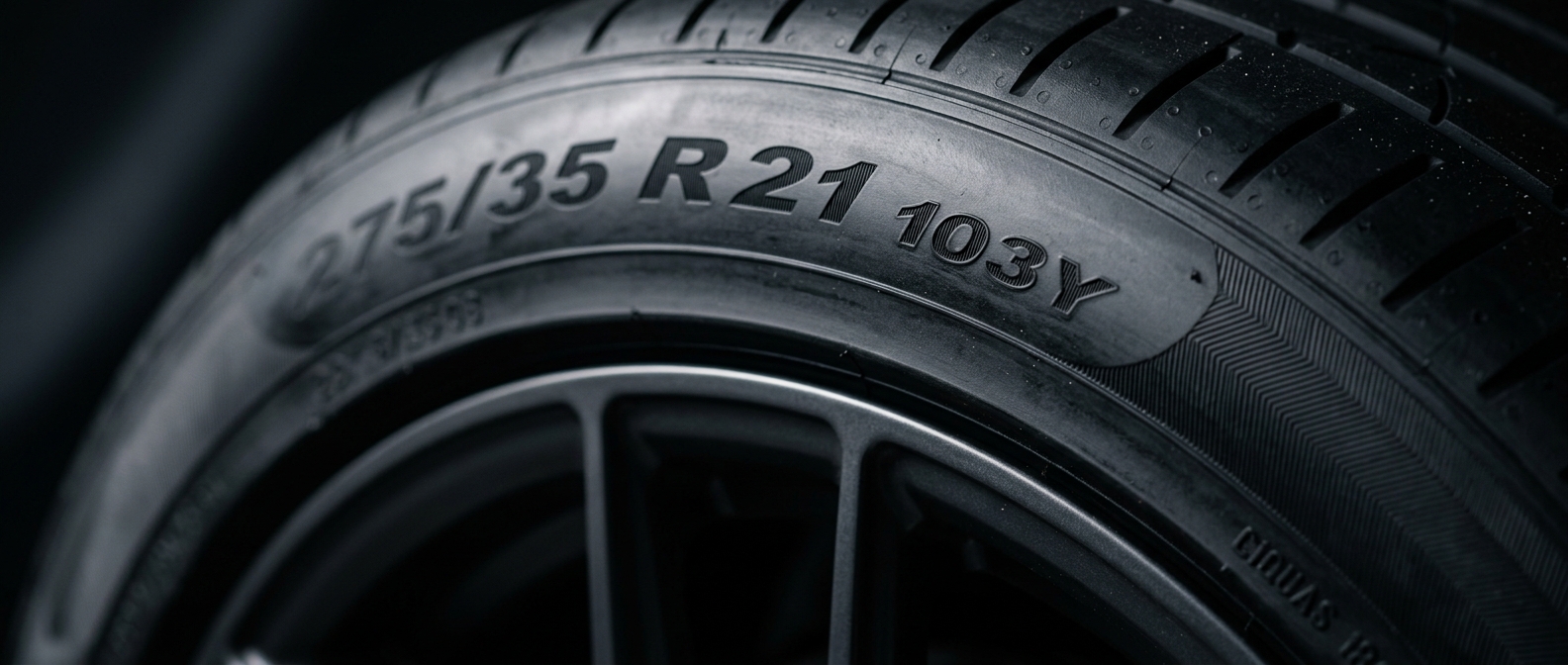
Tyre Speed Rating Chart: What the Letter Actually Means
Tyre speed rating chart for Australia: what each letter means in km/h, the ratings your car needs, and why you can go higher than your placard but never lower.
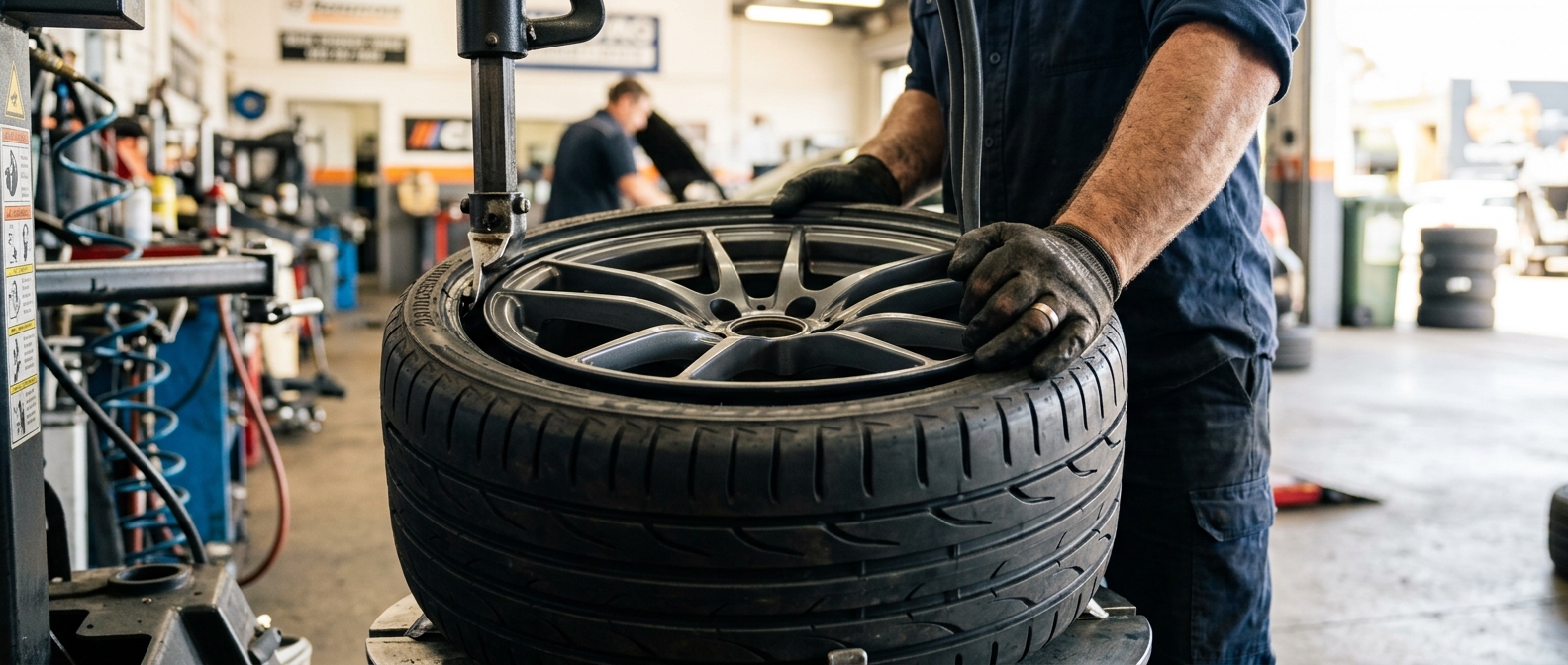
Can You Fit Wider Tyres on the Same Rim? The Safe Range Explained
Yes—within limits. Learn the safe rim width range for wider tyres, the 5mm-per-half-inch rule, and the Australian legality traps before you fit a wider set.
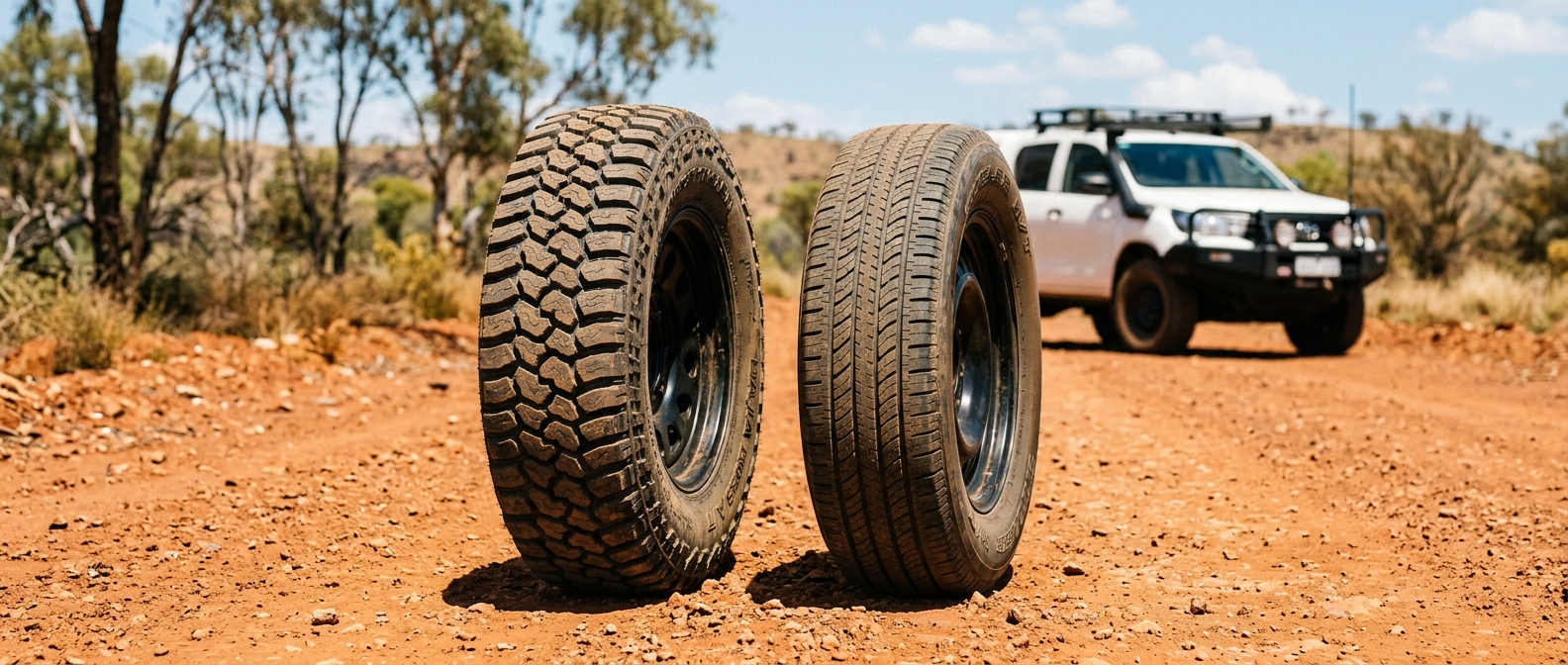
LT vs P-Metric Tyres: The Difference That Matters in Australia
LT vs P-metric tyres in Australia: how light truck and passenger construction differ in strength, ride, fuel use and load — and which one suits your vehicle.
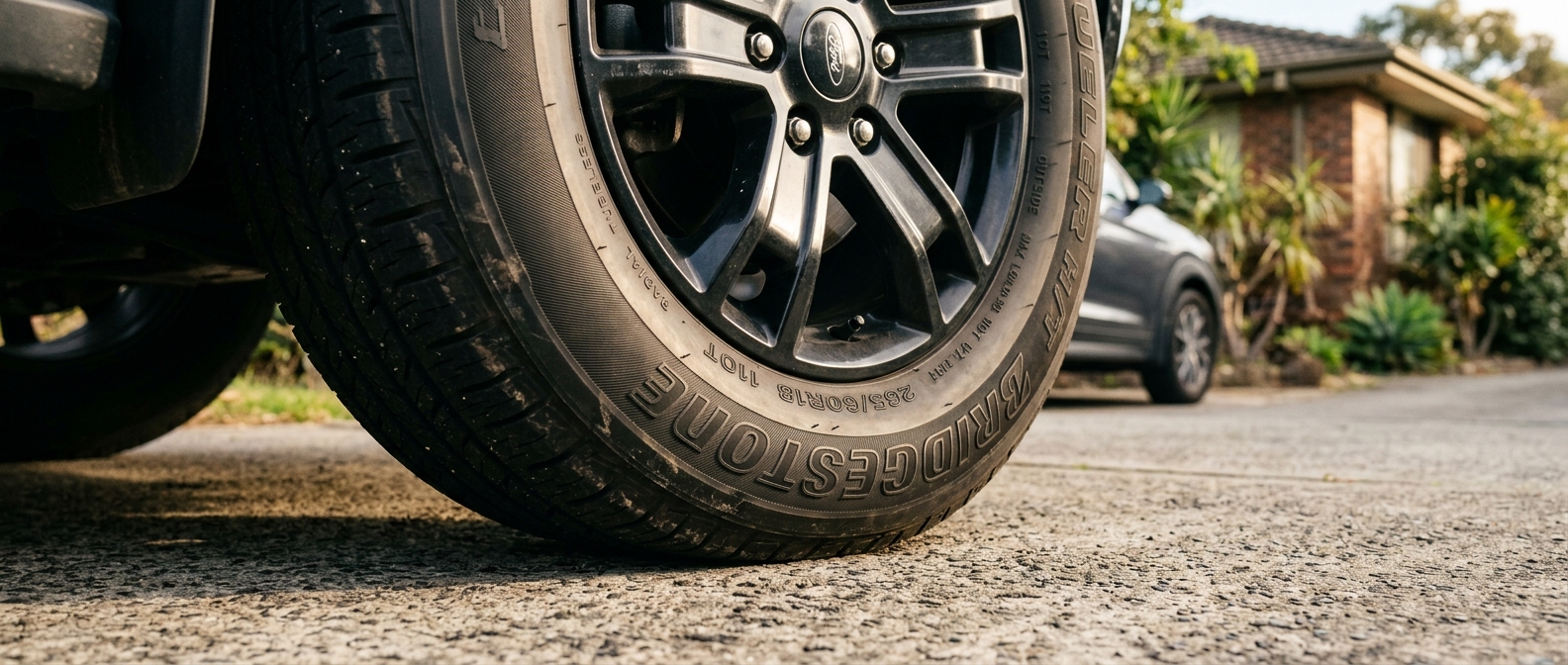
XL vs Standard Load Tyres: Which Does Your Car Need?
XL vs Standard Load tyres explained for Australian drivers: what the load index means, which your car actually needs, and why fitting the wrong one is unsafe.
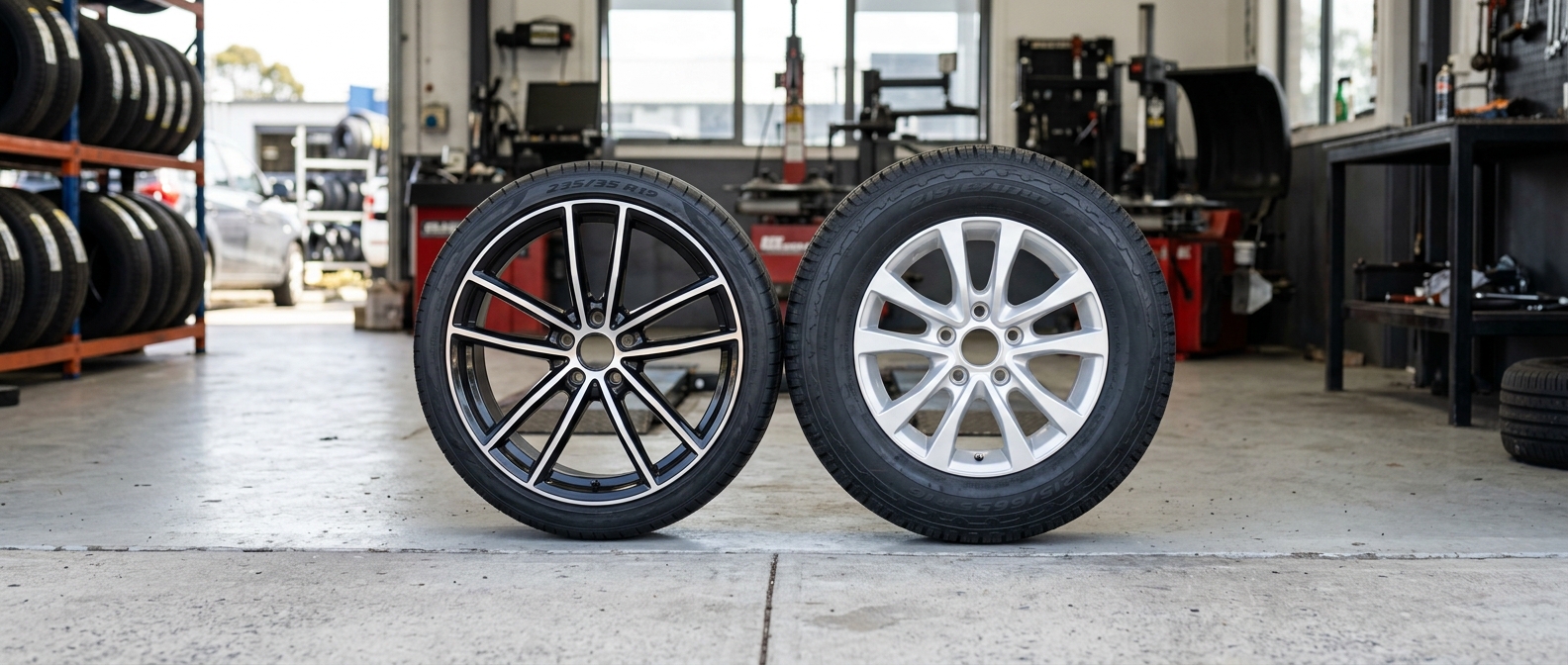
Aspect Ratio Explained: Why a Lower Profile Isn’t Always Better
Tyre aspect ratio explained: what the profile number means and why a lower profile isn’t always better for ride, noise and Australian pothole damage.
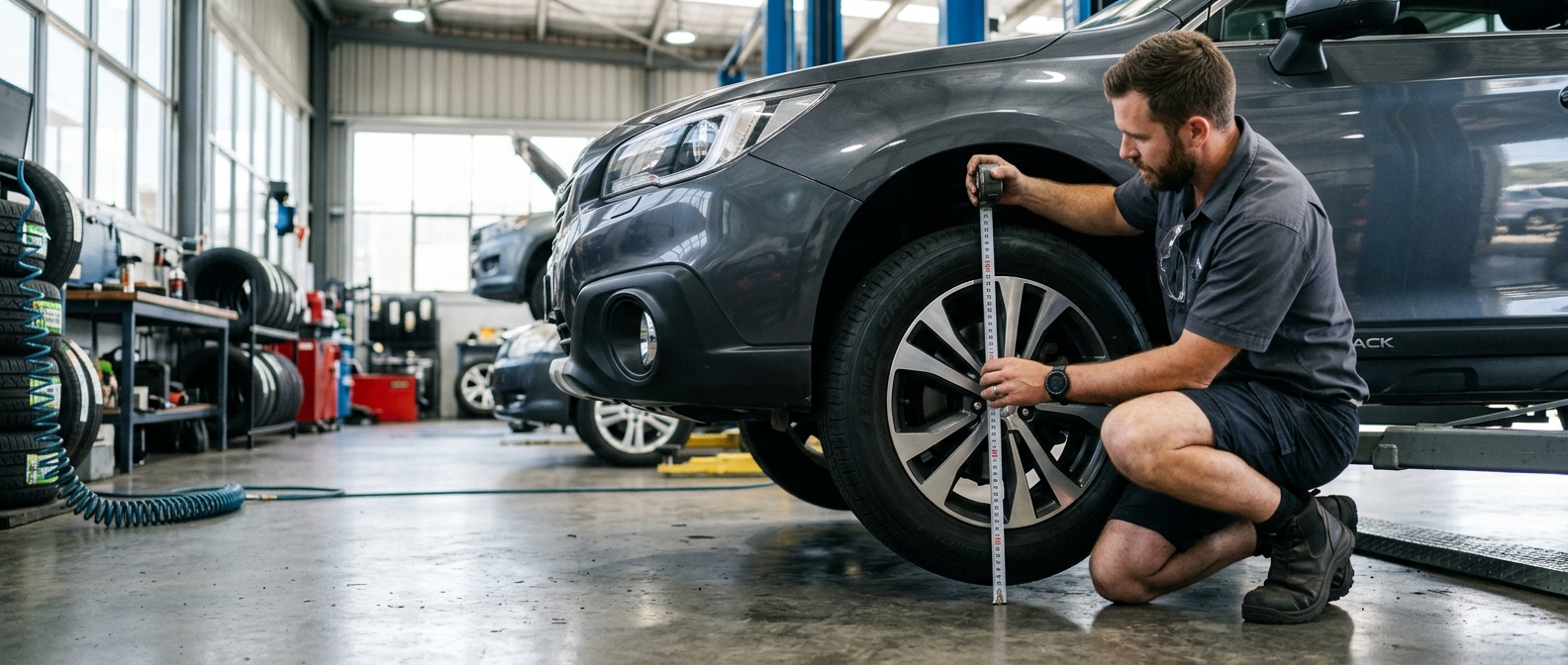
What Is Rolling Diameter and Why It Decides Your Legal Tyre Size
Rolling diameter decides whether a tyre size is road-legal in Australia. Learn the VSB 14 +15mm/-26mm rule, how to calculate it, and the speedo impact.