Blog
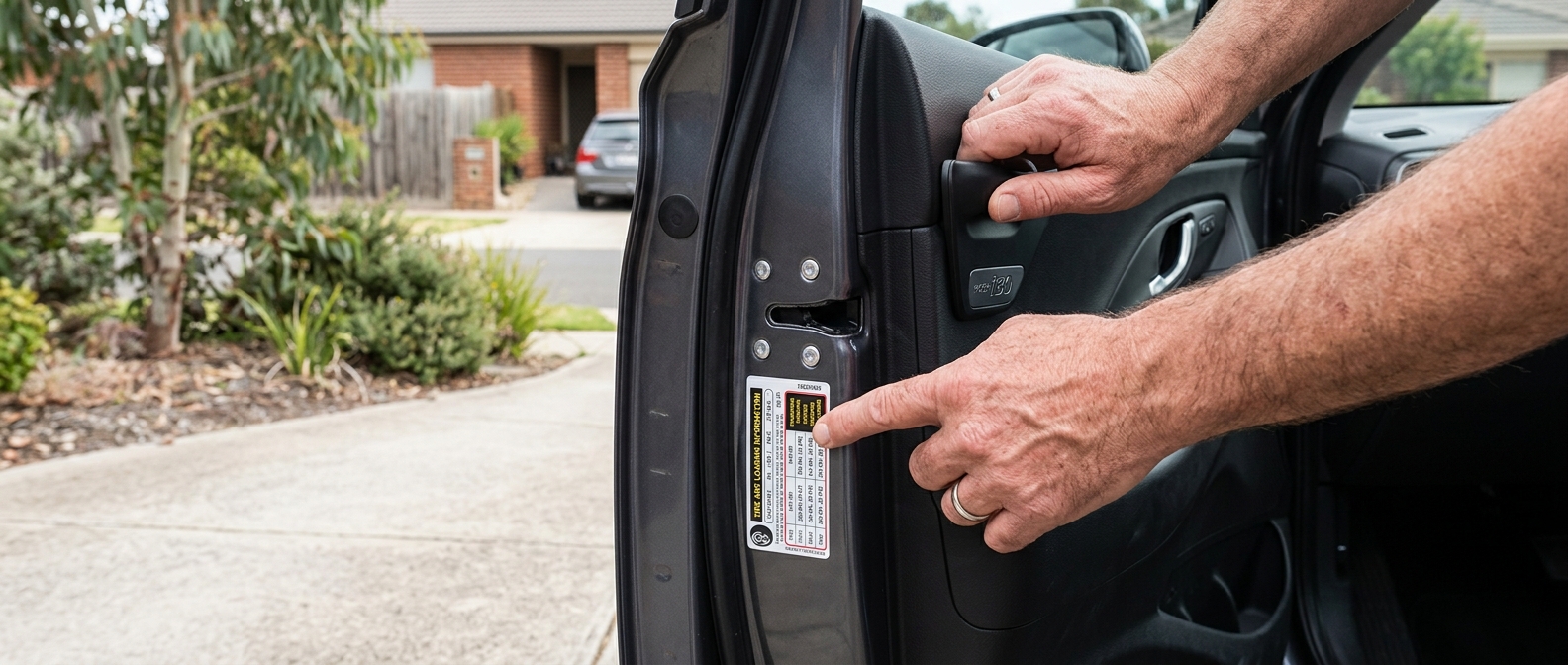
How to Find the Original Tyre Size for a Car You Bought Used
Bought a used car and not sure what tyres it needs? Here’s how to find the original, factory tyre size using the placard, manual and VIN — the Australian way.
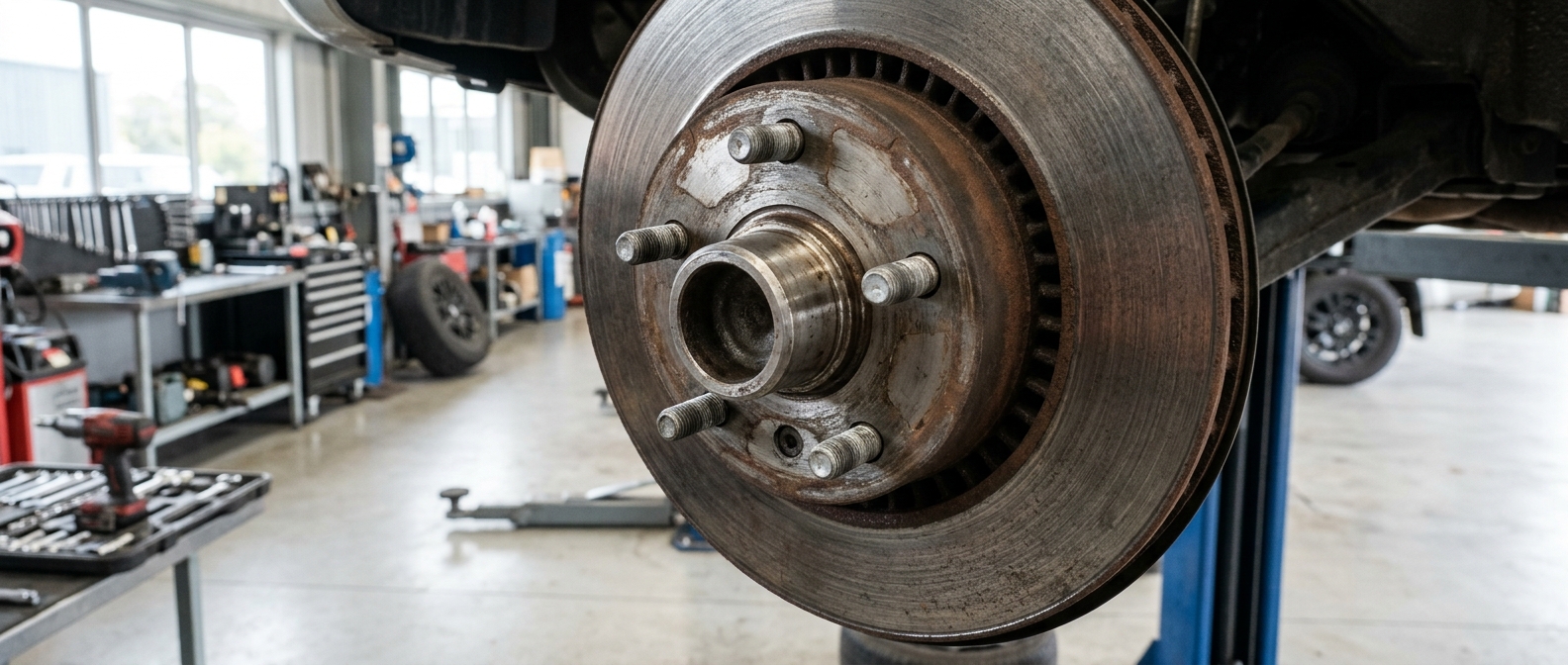
What Is Hub-Centric vs Lug-Centric Fitment?
Hub-centric wheels are centred by the hub; lug-centric wheels by the nuts. Here’s the difference, why aftermarket wheels vibrate, and when you need rings.
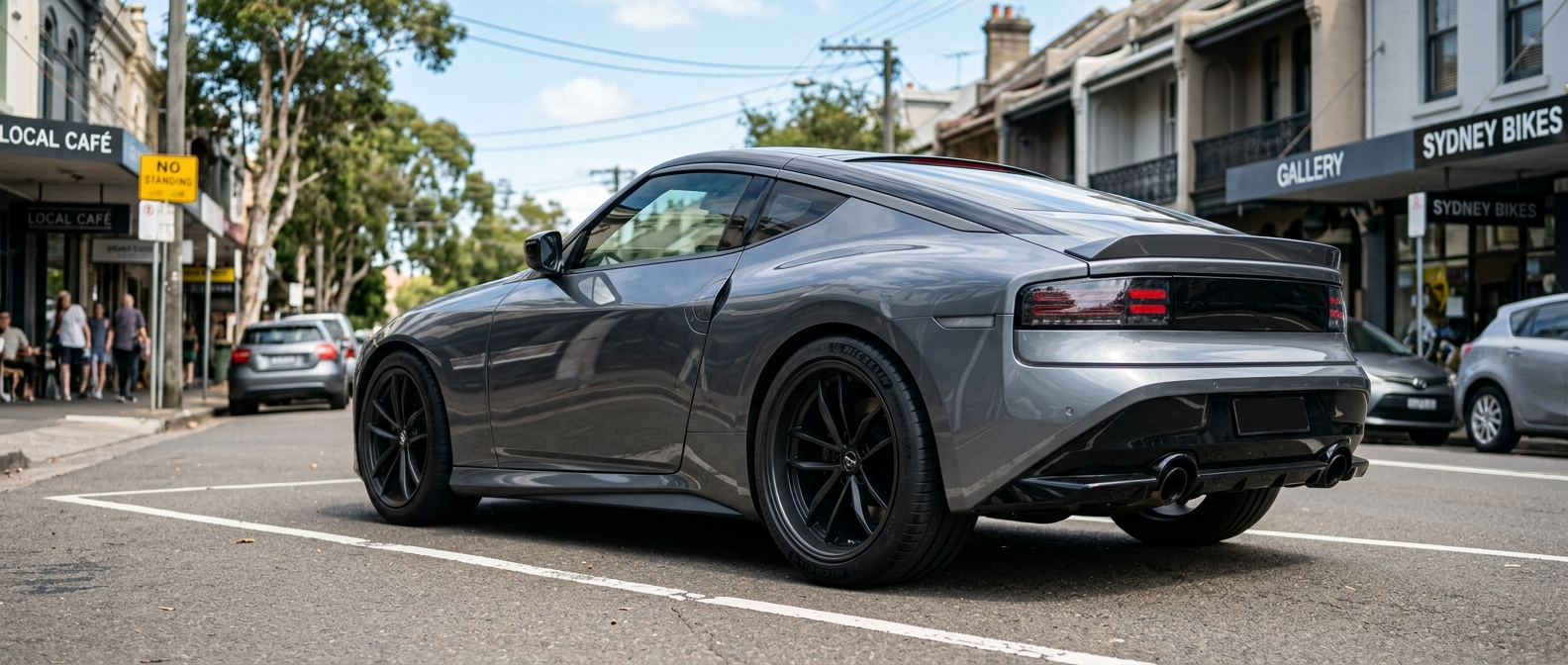
Staggered Wheel Setups: What They Are and Who Should Run One
Staggered wheel setups run wider rear tyres than front. Here’s how they work, which Australian cars suit them, and the rotation and cost traps to avoid.
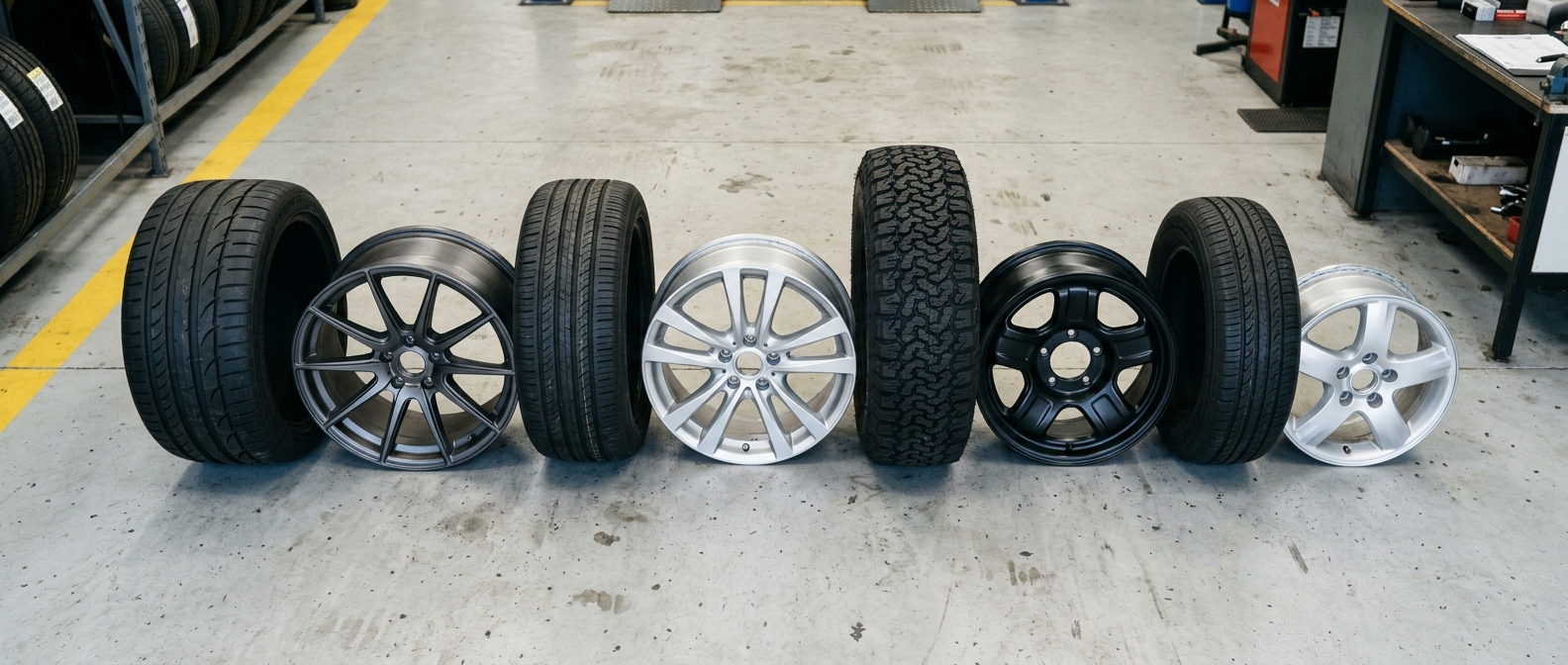
Rim Width to Tyre Width Chart for Australian Fitments
A clear rim width to tyre width chart for Australian fitments, plus the min, ideal and max tyre width for each rim size and the fitment rules that matter.
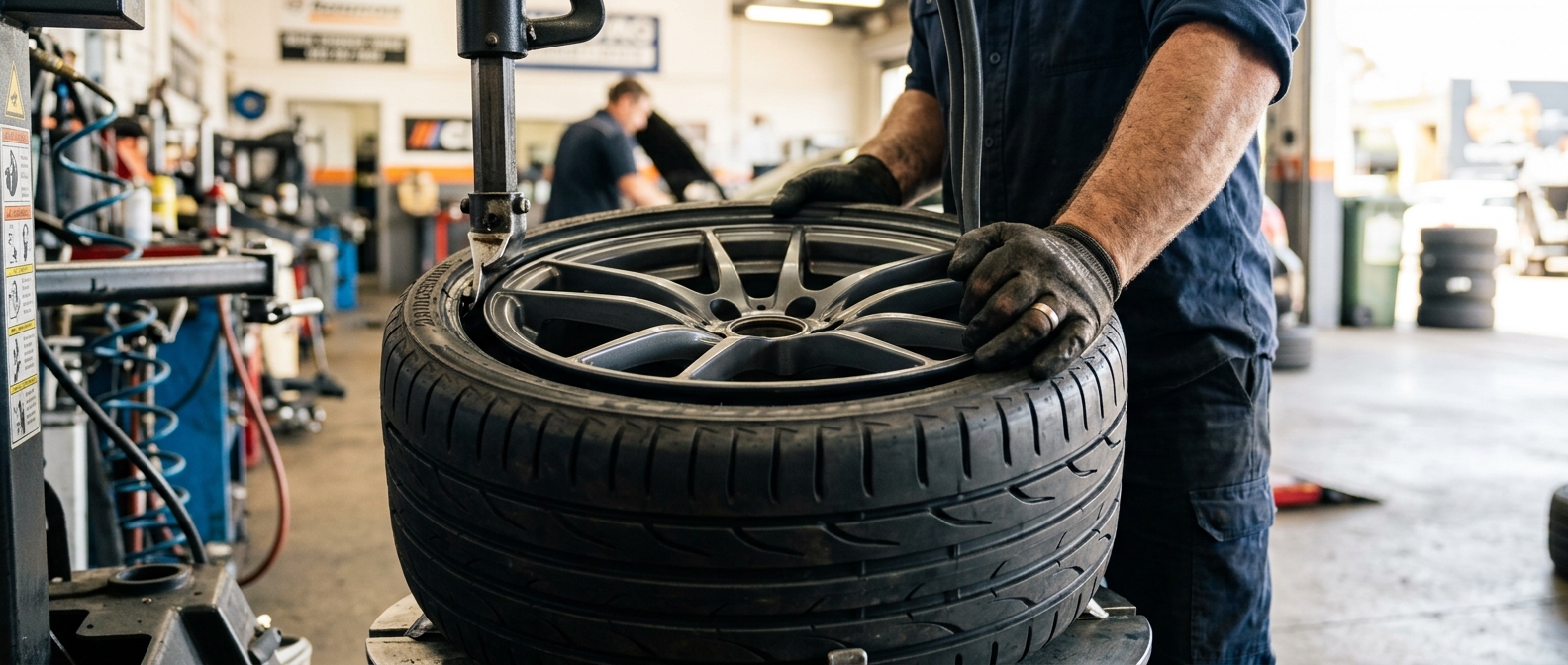
Can You Fit Wider Tyres on the Same Rim? The Safe Range Explained
Yes—within limits. Learn the safe rim width range for wider tyres, the 5mm-per-half-inch rule, and the Australian legality traps before you fit a wider set.
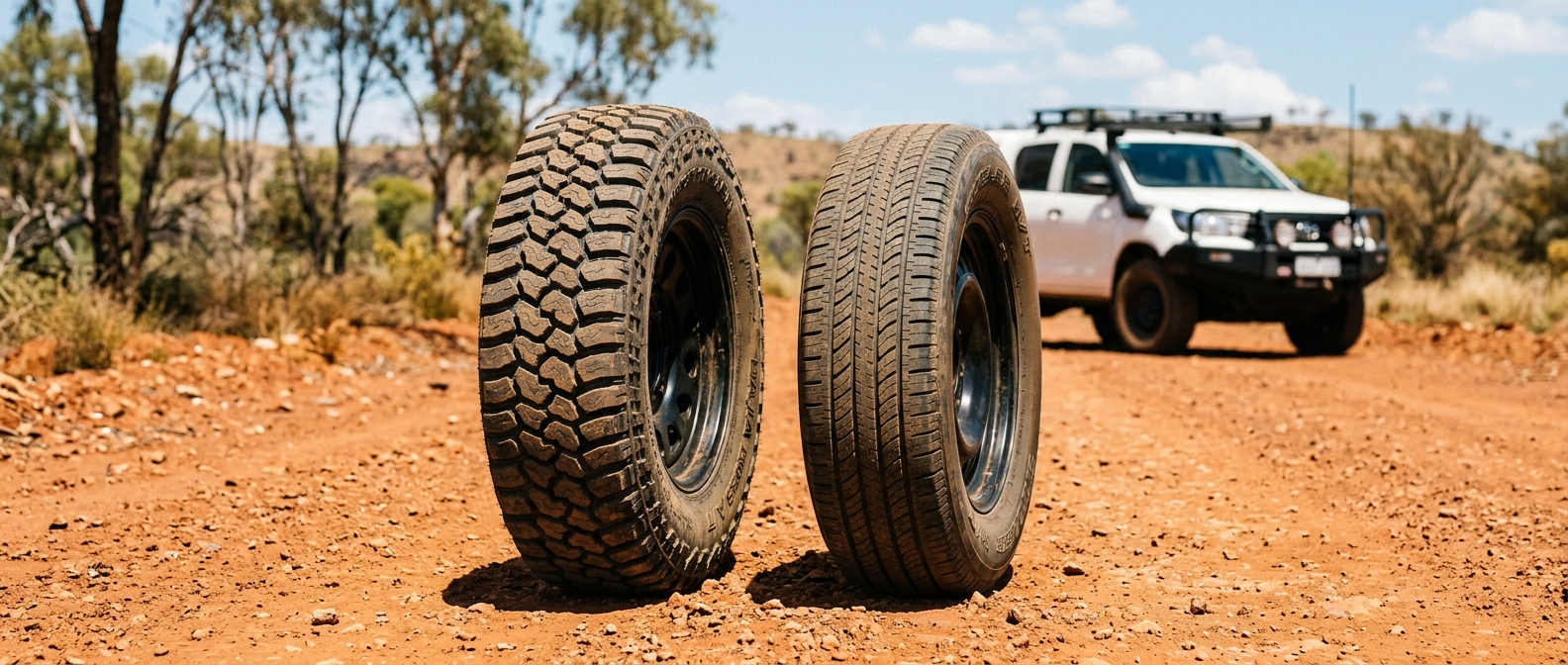
LT vs P-Metric Tyres: The Difference That Matters in Australia
LT vs P-metric tyres in Australia: how light truck and passenger construction differ in strength, ride, fuel use and load — and which one suits your vehicle.
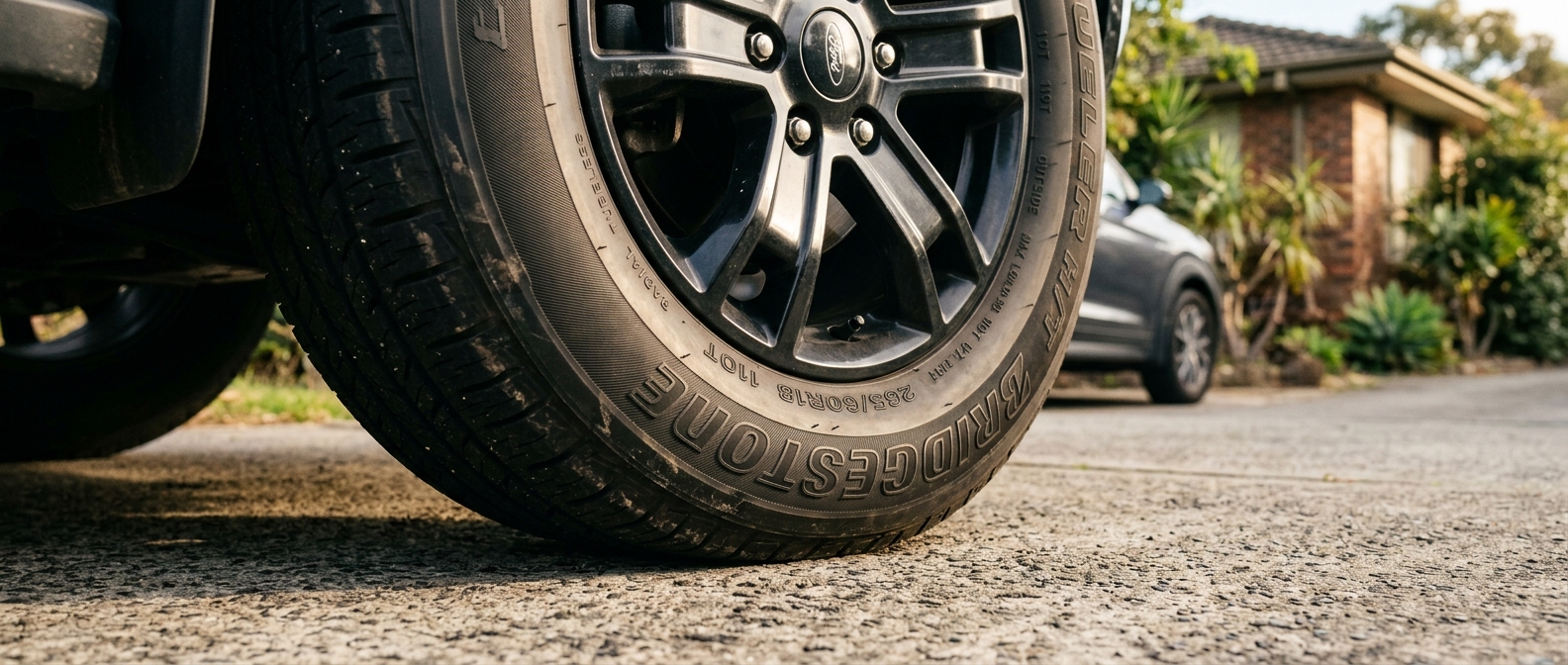
XL vs Standard Load Tyres: Which Does Your Car Need?
XL vs Standard Load tyres explained for Australian drivers: what the load index means, which your car actually needs, and why fitting the wrong one is unsafe.
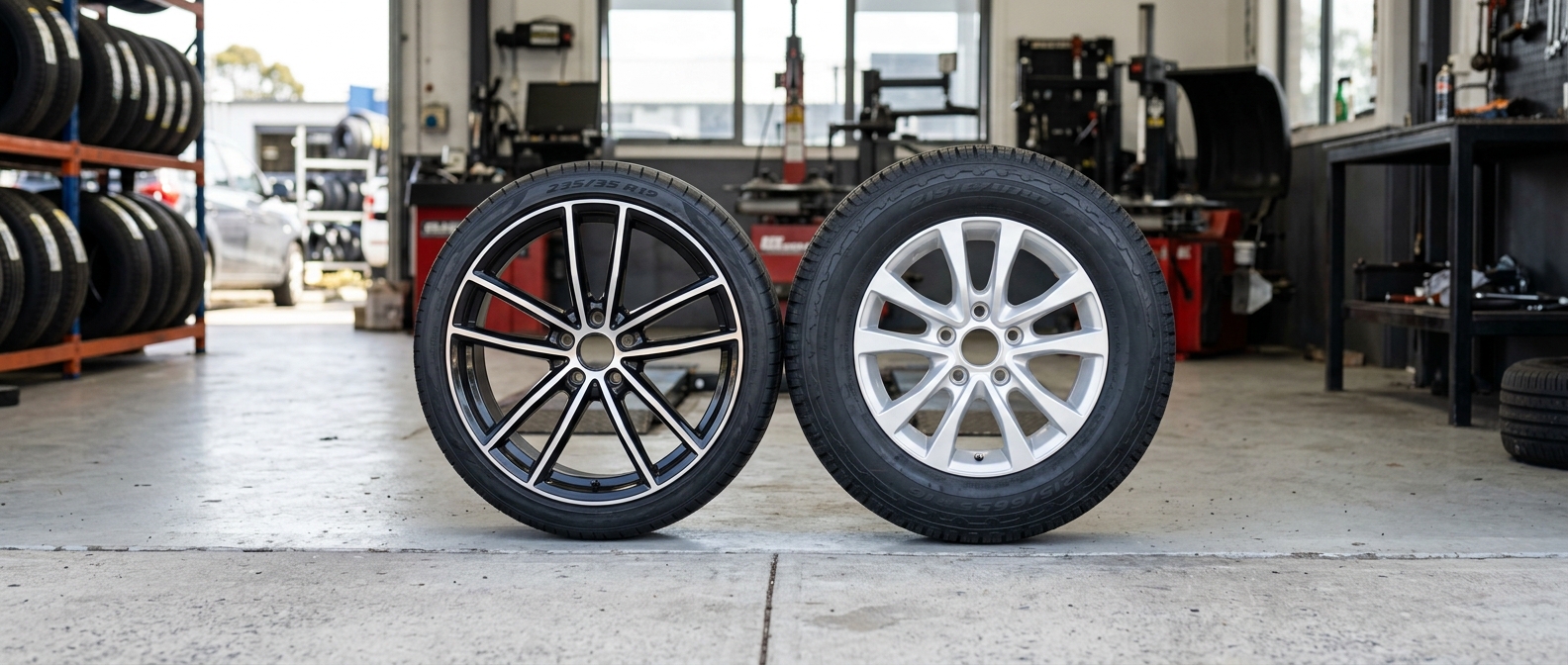
Aspect Ratio Explained: Why a Lower Profile Isn’t Always Better
Tyre aspect ratio explained: what the profile number means and why a lower profile isn’t always better for ride, noise and Australian pothole damage.
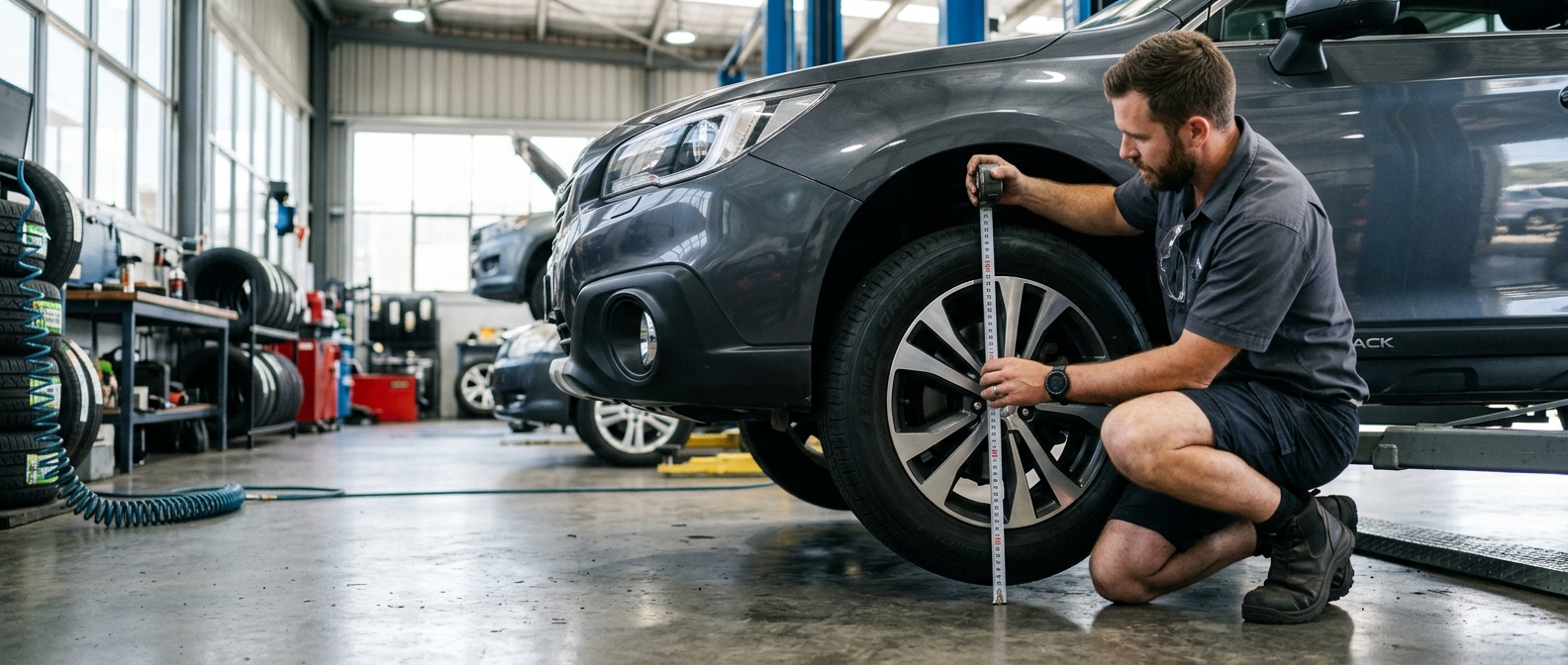
What Is Rolling Diameter and Why It Decides Your Legal Tyre Size
Rolling diameter decides whether a tyre size is road-legal in Australia. Learn the VSB 14 +15mm/-26mm rule, how to calculate it, and the speedo impact.