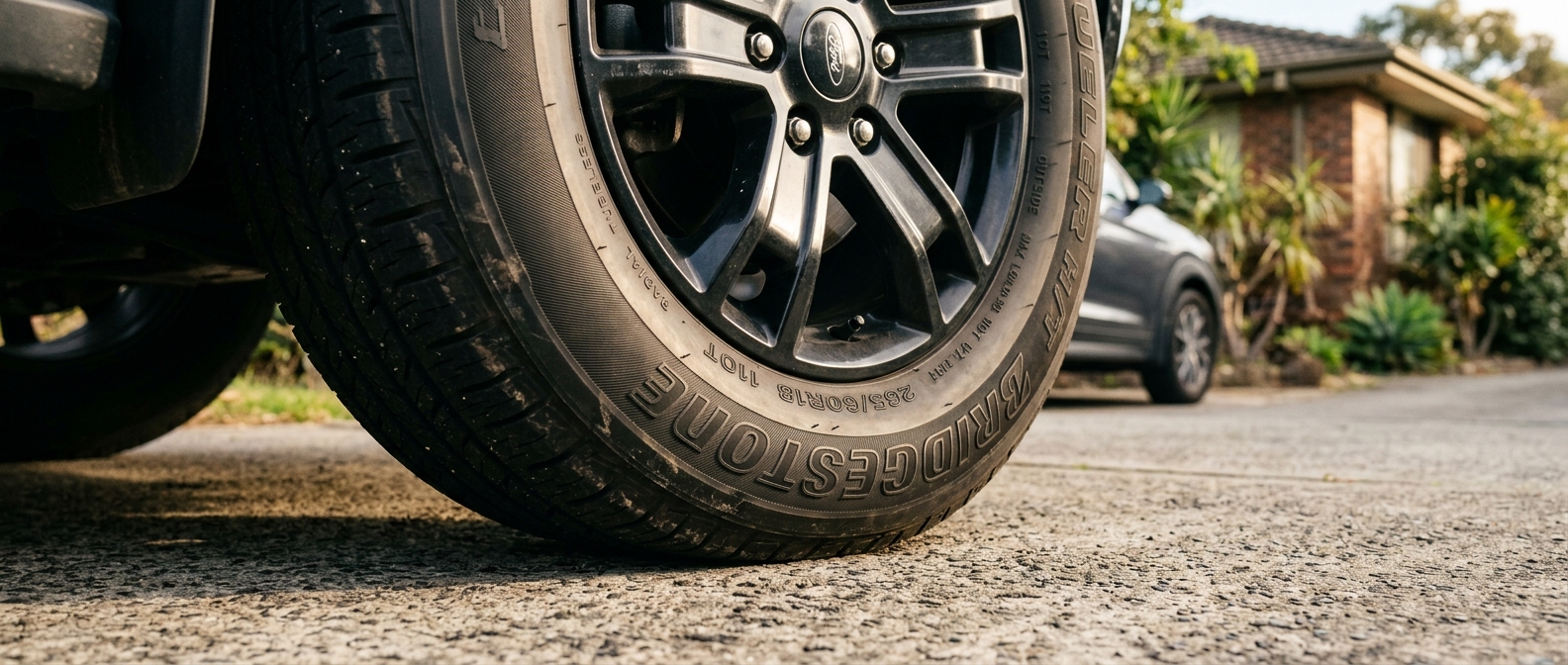
Quick answer: XL (Extra Load) tyres carry more weight than Standard Load (SL) tyres of the same size by running higher inflation pressure and a stronger casing. Fit XL only if your car’s tyre placard specifies it or an XL load index — most heavy SUVs, EVs and some European cars do. Fitting SL where XL is required is unsafe and can fail a roadworthy.
What do XL and Standard Load actually mean?
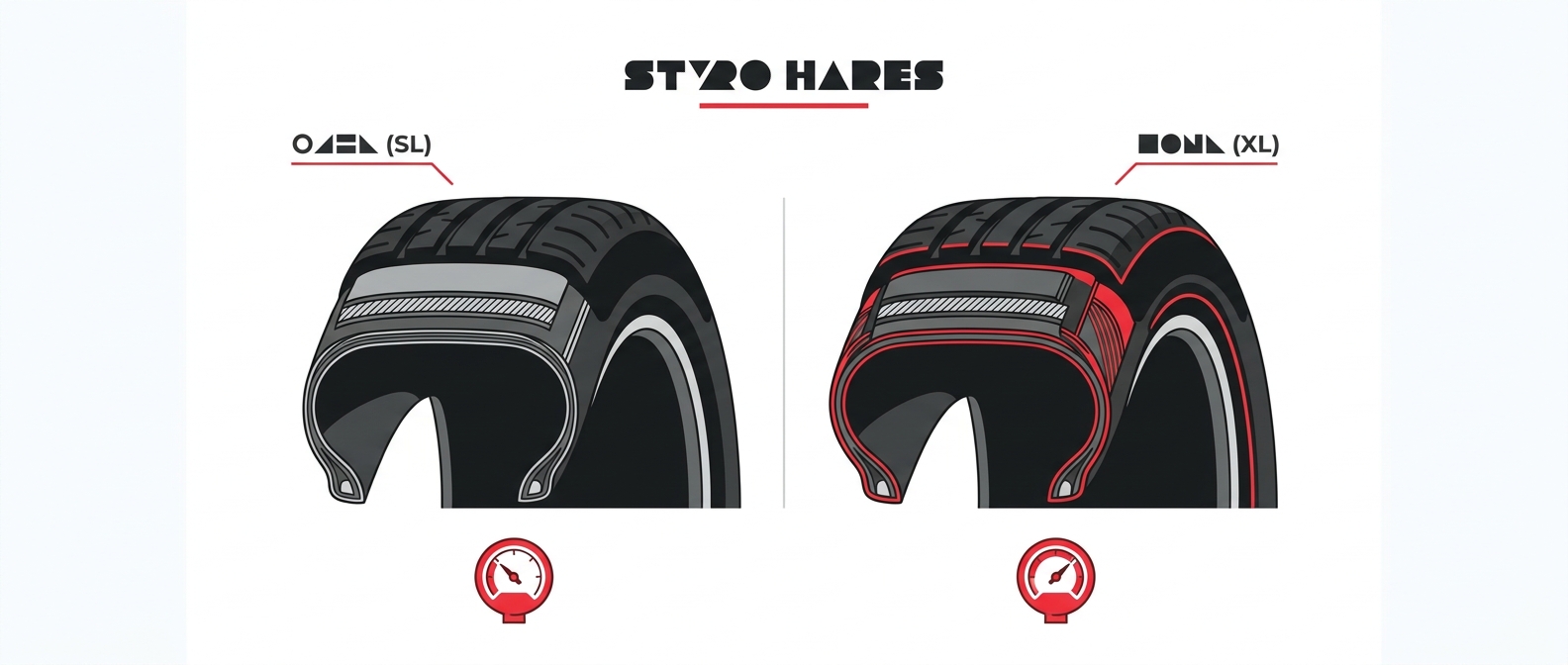
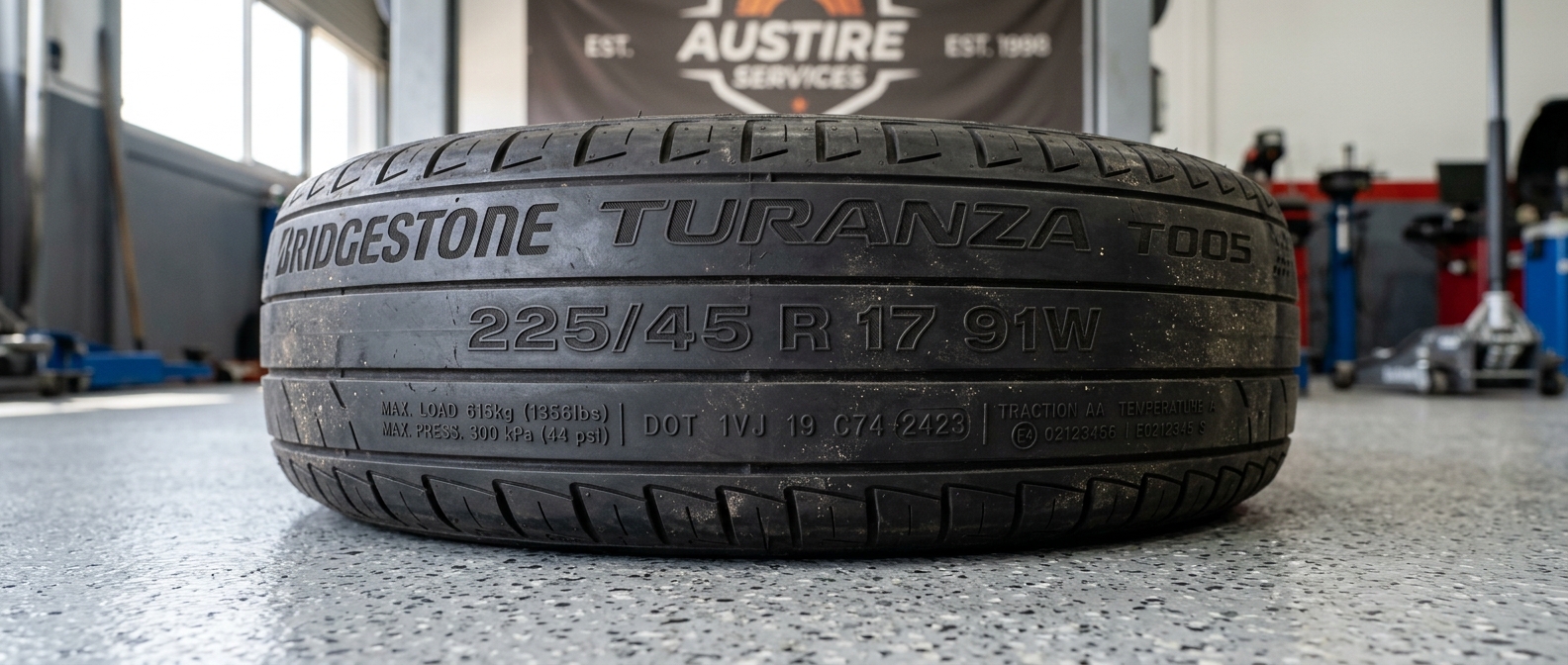
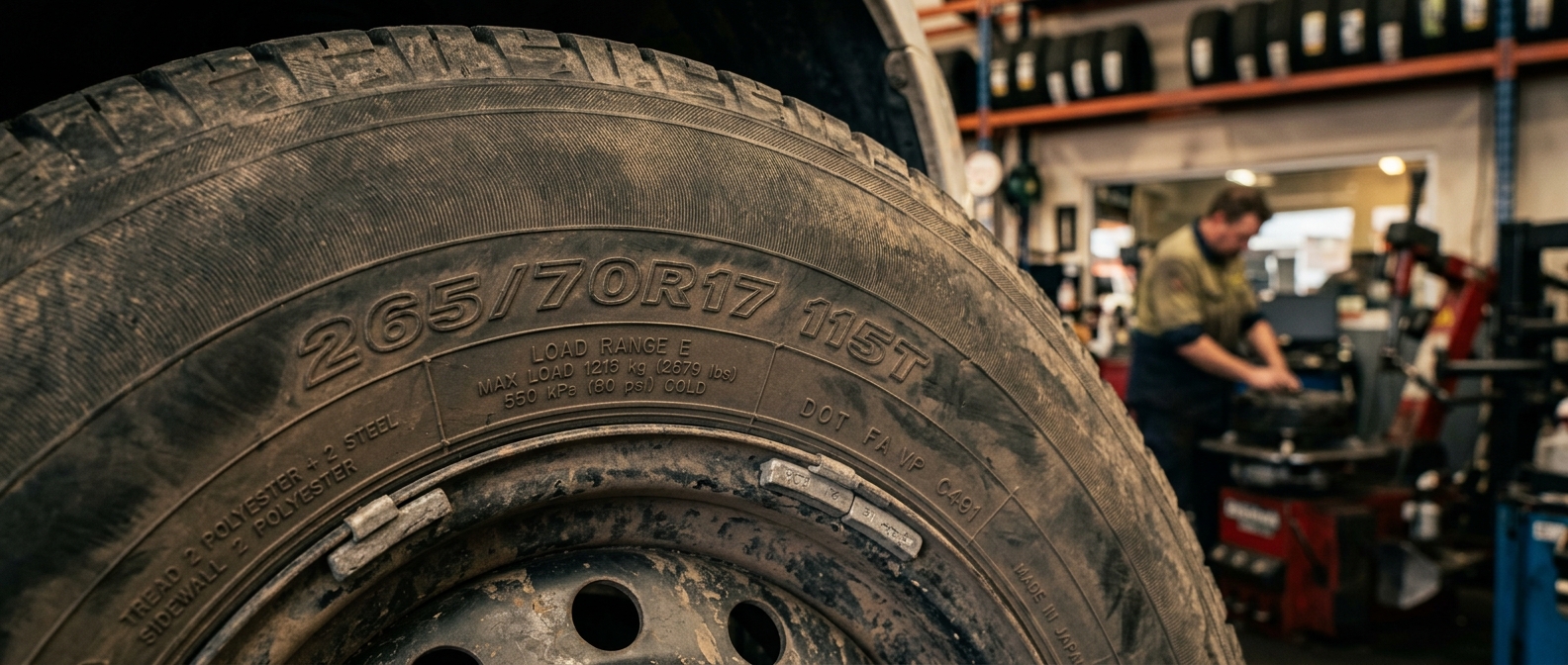
Every tyre has a load index — a number on the sidewall (for example the 95 in 225/45R17 95W) that maps to a maximum weight the tyre can carry at its rated pressure. A Standard Load (SL) tyre reaches that rating at a normal reference pressure. An Extra Load (XL) tyre — older stock may be marked Reinforced, RF or EL — reaches a higher load rating in the same physical size by being built to hold, and being rated at, a higher maximum inflation pressure.
The important point for Australian drivers: XL is not an “off-road” or “puncture-proof” upgrade. It is a load-and-pressure specification. As Michelin Australia puts it, reinforced tyres “support a higher load due to the mass of the vehicle” through increased pressure rather than a bigger tyre. If you want to understand where these markings sit on the tyre, our guide to reading a tyre sidewall walks through every number and letter.
How is an XL tyre different from a Standard Load tyre?
Physically the two look identical from the outside — same width, profile and rim diameter. The differences are in the casing and the numbers:
| Feature | Standard Load (SL) | Extra Load (XL) |
|---|---|---|
| Sidewall marking | No suffix (e.g. 225/45R17 91W) | “XL”, “Reinforced”, “RF” or “EL” (e.g. 225/45R17 94W XL) |
| Load index for that size | Lower | Typically 2–4 points higher |
| Reference / max pressure | Lower (guide: ~250 kPa / 36 psi) | Higher (guide: ~290 kPa / 42 psi) |
| Casing | Standard | Stiffer, reinforced construction |
| Ride comfort | Softer | Slightly firmer |
| Rolling resistance / fuel use | Lower | Slightly higher |
| Weight | Lighter | Heavier |
Because the load rating is tied to pressure, an XL tyre only delivers its extra capacity when it is inflated to the higher pressure the vehicle placard calls for. Run an XL tyre at a soft Standard-Load pressure and you throw away the reason you bought it. This is also why the placard pressure versus sidewall maximum distinction matters so much on heavy cars.
Which does your car need?
You don’t guess this — your car tells you. Two places give you the answer:
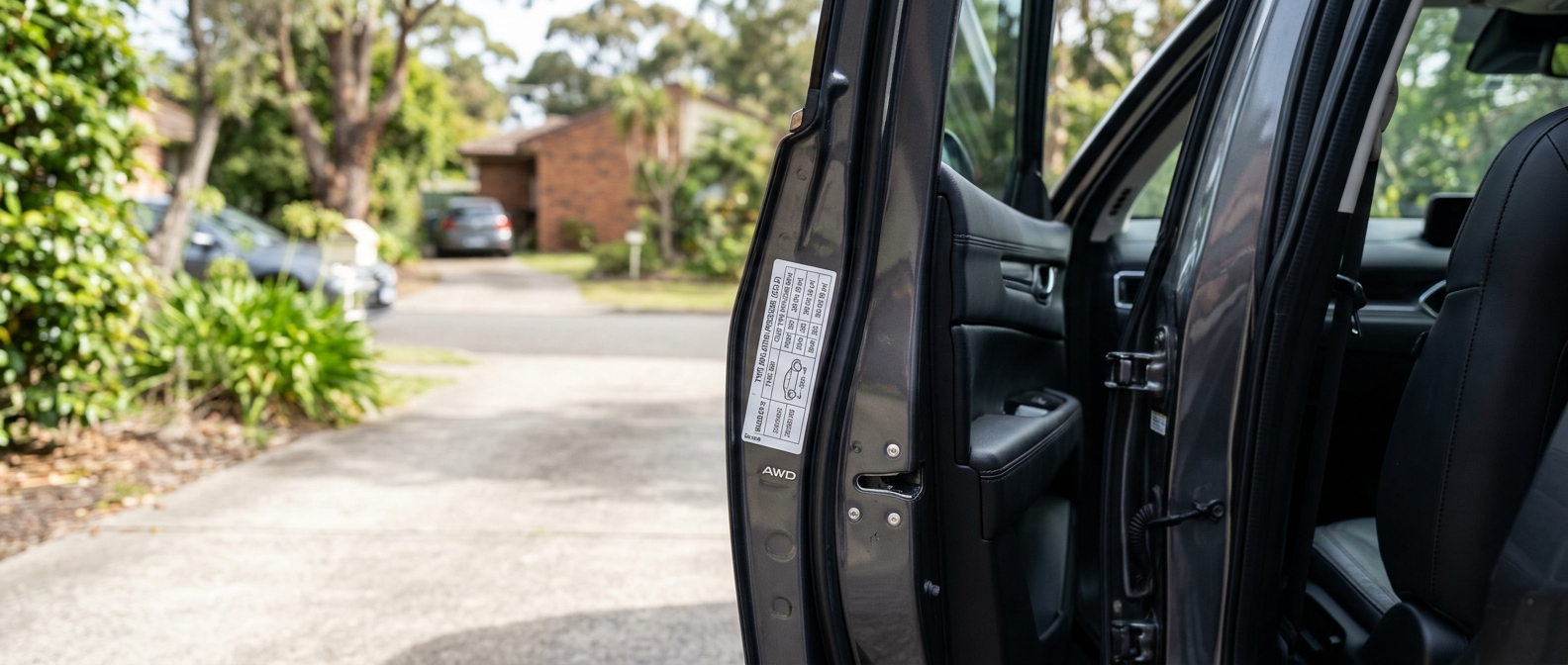
- The tyre placard (usually inside the driver’s door jamb, sometimes the fuel flap or glovebox). It lists the original tyre size including the load index and speed rating. If that load index only exists as an XL rating in that size, your car needs XL. Our tyre placard guide shows how to read it.
- The load index chart. Match the placard’s index number to a weight and confirm your replacement meets or exceeds it. See the tyre load index chart for Australian vehicles.
As a rule of thumb, XL is commonly specified for heavier medium and large SUVs, people-movers, EVs and hybrids (whose battery mass pushes weight up), and many European models. Michelin Australia lists cars such as the BMW X2 M35i, Mercedes MPVs, Renault Koleos, SEAT Tarraco and Volvo XC60 among those that use reinforced fitments. Lighter hatchbacks and small sedans almost always run Standard Load. Heavy EVs increasingly use the newer HL (High Load) standard, which sits a step above XL again — covered in our guide to load index requirements for heavy EVs.
What happens if you fit the wrong one?
Fitting Standard Load where XL is required
This is the dangerous mistake. An SL tyre asked to carry an XL-rated load will run hotter, flex more, wear prematurely and is at greater risk of failure under heavy load or towing. It also means the tyre no longer meets the vehicle’s placard specification, which can attract a defect notice and fail a roadworthy inspection. We cover the consequences in detail in what happens if you fit the wrong load rating tyres and, on the legal side, what happens if your tyres don’t meet the placard load rating.
Fitting XL where only Standard Load is needed
This is legal and safe — an XL tyre exceeds the required load rating. The downsides are minor: a slightly firmer ride, marginally higher fuel consumption and a little more weight. Some owners of lighter cars choose XL deliberately for kerb-strike durability on rough roads, accepting those trade-offs. You must still inflate to the placard pressure for your car, not the XL tyre’s maximum.
XL vs LT: don’t confuse them
XL tyres and Light Truck (LT) tyres both carry more than a standard passenger tyre, but they solve different problems. XL is a passenger-tyre load upgrade achieved through higher pressure. LT tyres use genuinely heavier truck-grade construction for towing, off-road and load-carrying utes and 4WDs. If you’re weighing up a heavy-duty fitment, read LT vs P-metric tyres and, for towing specifically, the tyre rules for towing.
Bottom line
Bottom line: Let the placard decide. If your car specifies an XL or Reinforced load rating, fit XL and inflate to the placard pressure — anything less is a safety and compliance risk. If it specifies Standard Load, SL is fine, though XL is a legal (if slightly firmer, thirstier) option. The number that matters is the load index, not the letters.
Frequently asked questions
Are XL tyres more expensive than standard tyres?
Often slightly, because of the reinforced construction, but the gap varies by brand and size. The bigger cost driver is usually the tyre model itself, not the SL/XL designation.
Can I mix XL and Standard Load tyres on the same car?
It’s best avoided. Mismatched load ratings and pressures across an axle can affect handling and even wear. If your car needs XL, fit XL to all four. Fit tyres in matched pairs across an axle at minimum.
Do XL tyres wear out faster?
No — the reinforced casing doesn’t shorten tread life. Correctly inflated to the placard pressure, an XL tyre wears normally. Underinflation is what causes uneven wear, on any tyre.
Does an XL tyre ride harder?
Slightly, because the sidewall is stiffer and the pressure is higher. On most cars the difference is minor and hard to notice in everyday driving.
How do I know my exact load index requirement?
Read the load index printed on your vehicle’s tyre placard and match it to the load index chart. Your replacement tyre’s index must be equal to or higher than that number.
External references: Michelin Australia – Reinforced tyres; Michelin Australia – Load and speed ratings; Tyre & Rim Association of Australia / Tyre Safety.

0 Comments