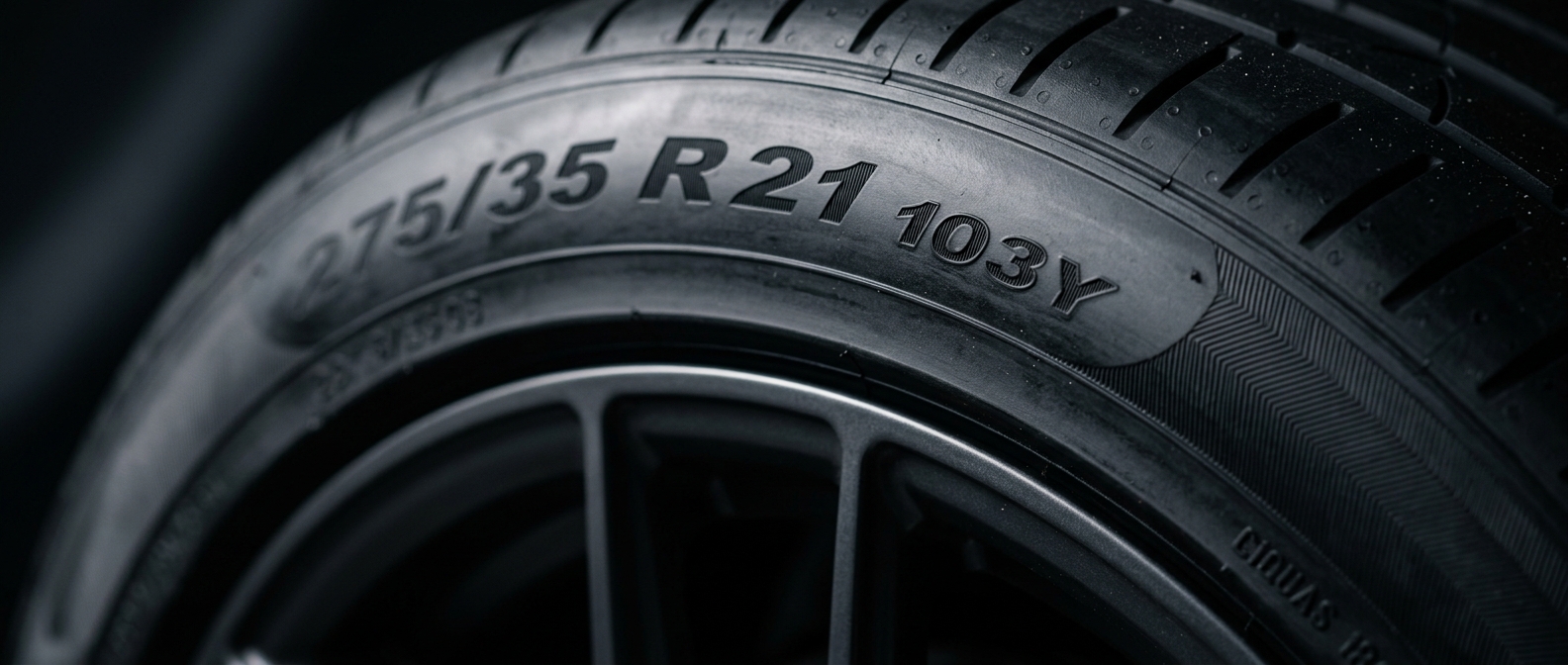
TL;DR: A tyre's speed rating is the single letter after the load index (the "V" in 205/55R16 91V). It marks the maximum speed the tyre is built to sustain safely. Most Australian cars use T (190 km/h), H (210 km/h) or V (240 km/h). You can fit a higher rating than your placard, but never a lower one.
Tyre Speed Rating Chart: What the Letter Actually Means
The speed rating is the most misunderstood marking on a tyre. It is not a suggestion to drive at 240 km/h, and it is not just for sports cars. It is an engineering rating for how much heat the tyre can shed at sustained speed — and in Australia's heat, on long highway runs, that matters more than the licence-losing top figure implies. This guide gives you the full speed rating chart in km/h, explains what the letter means, and shows why matching (or exceeding) your placard rating keeps you safe and compliant.
What is a tyre speed rating?
A speed rating is a letter code that indicates the maximum speed a tyre can safely sustain under load when correctly inflated and in sound condition. Bridgestone Australia describes it as "a code which indicates the speed at which a tyre can be safely operated, subject to the tyre being in sound condition, correctly fitted and with the recommended inflation pressure." The rating reflects the tyre's construction, compound and ability to dissipate heat — a higher-rated tyre is built to stay stable and cool at speed for longer.
Importantly, the rating is a ceiling set under test conditions, not a target. Real-world safe speed is always lower once you factor in load, tyre age, pressure, road surface and heat. And in Australia, no public road allows anything close to even the lowest common rating — the value is in the safety margin, not the number.
Where is the speed rating on the tyre?
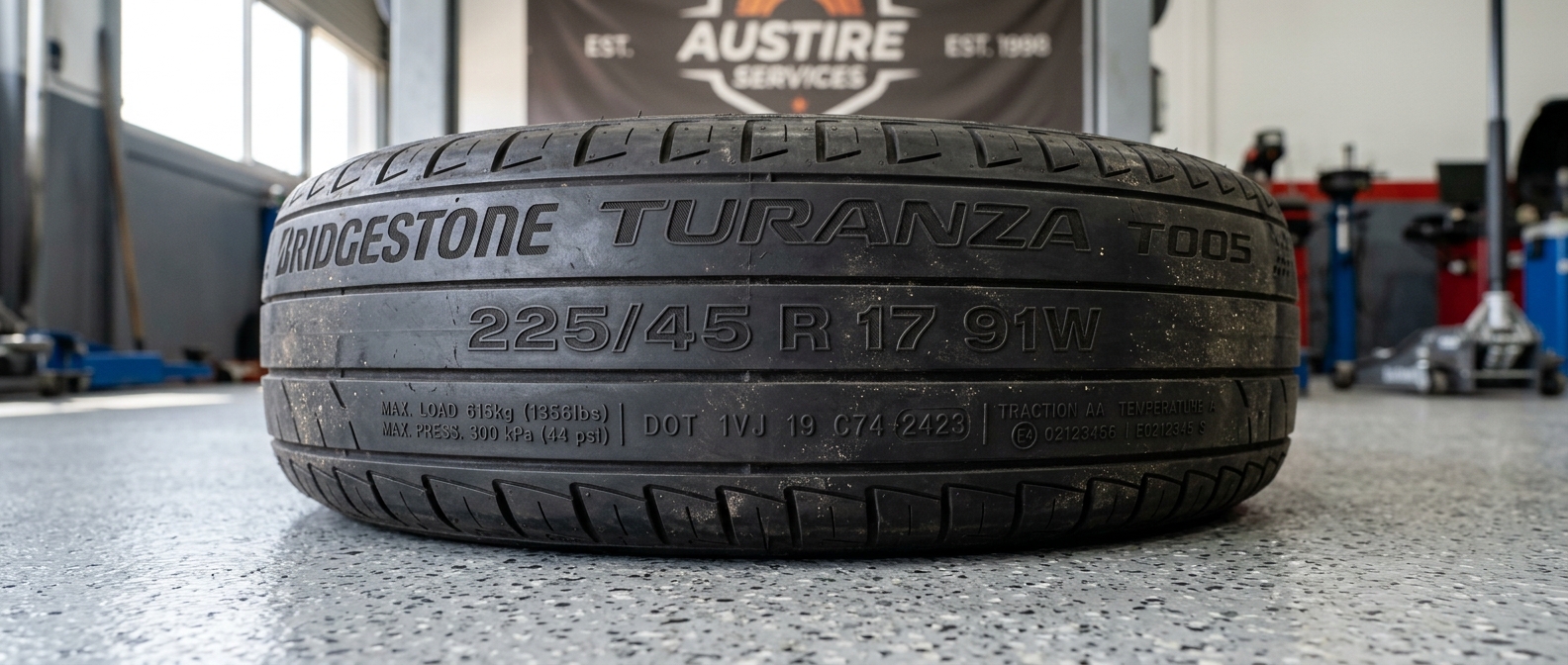
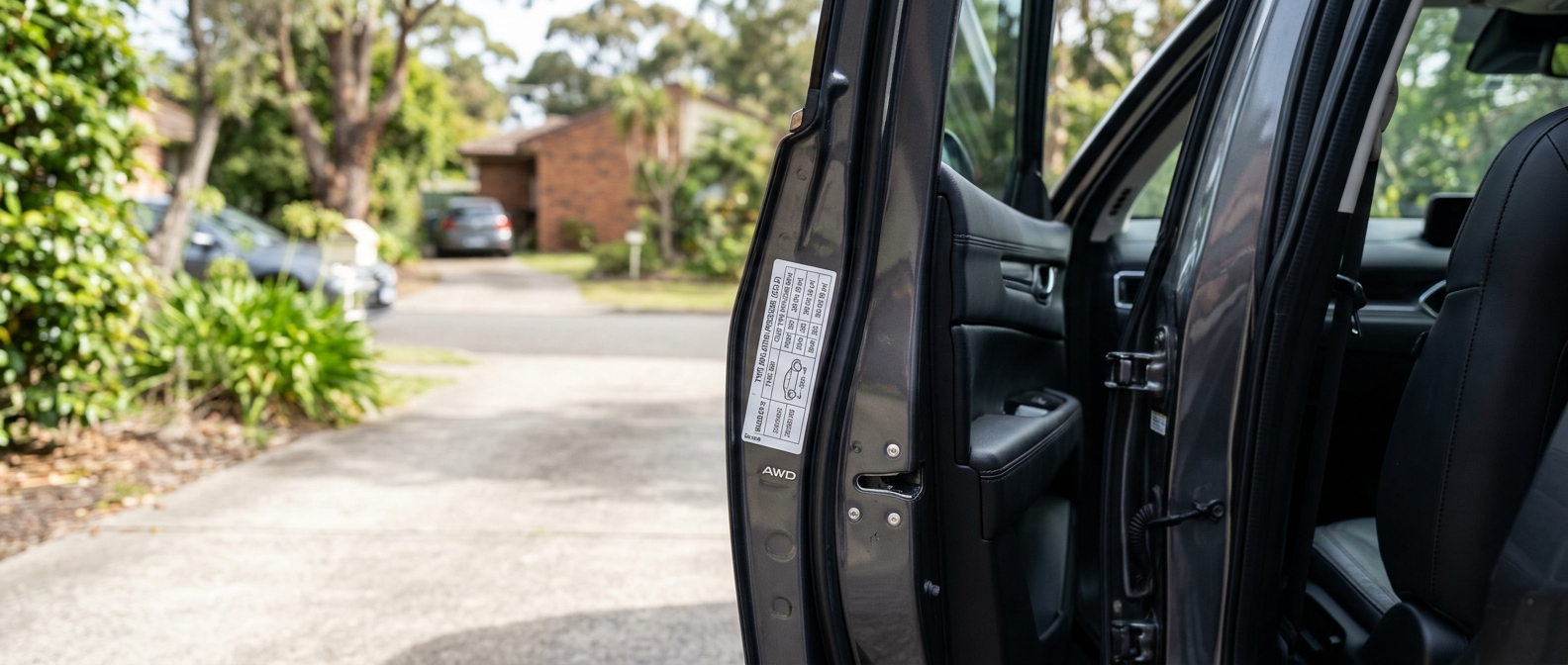
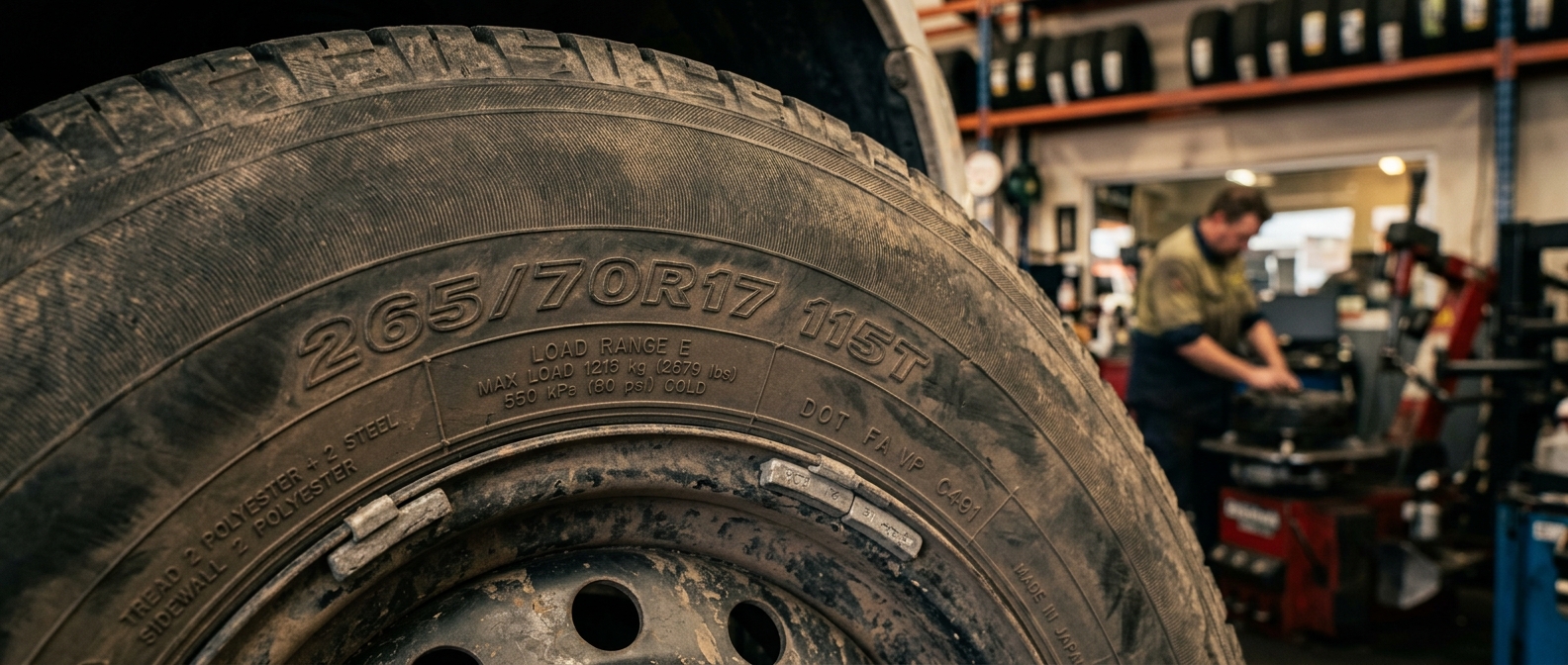
Look at your tyre size — for example 225/45R17 94W. The final letter, "W", is the speed rating (270 km/h here). It sits immediately after the load index number. You will also see it referenced on your vehicle's tyre placard in the door jamb and in the owner's manual. For a full breakdown of every code on the tyre, see how to read a tyre sidewall, and to understand the placard figures see how to read your car's tyre placard.
Tyre speed rating chart (km/h)
Speed ratings are an international standard, so the letters mean the same on every brand sold in Australia. These are the ratings you are most likely to encounter on passenger cars, SUVs and utes.
| Symbol | Max speed | Typical use |
|---|---|---|
| L | 120 km/h | Some light-truck & off-road tyres |
| M | 130 km/h | Temporary space-saver spares |
| N | 140 km/h | Some space-savers |
| P | 150 km/h | Light-truck / 4WD |
| Q | 160 km/h | Many all-terrain & 4WD tyres |
| R | 170 km/h | Light-truck & some SUV |
| S | 180 km/h | Family SUVs, vans |
| T | 190 km/h | Sedans, SUVs, many utes |
| U | 200 km/h | Less common passenger |
| H | 210 km/h | Sedans & performance-oriented cars |
| V | 240 km/h | Sports & performance |
| W | 270 km/h | High-performance |
| Y | 300 km/h | Supercars |
| (Y) / ZR | 300+ km/h | Extreme performance |
Two quirks catch people out. First, H (210 km/h) sits between U and V, not down near the start of the alphabet — a historical hangover from when H was the top rating. Second, ZR appears in some sizes (e.g. 255/40ZR18) and broadly signals a rating above 240 km/h; the exact W or Y figure is then shown in the service description.
What speed rating does my car need?
Your placard tells you the minimum. As a guide, most Australian small cars and family SUVs run T or H; performance sedans and sports cars run V, W or Y; and many 4WD, all-terrain and light-truck tyres run Q, R or S because their construction prioritises load and durability over top speed. If you do high highway kilometres, a well-rated touring tyre matters — see best tyres for a high-kilometre highway commuter.
Can you fit a higher or lower speed rating than the placard?
You can always fit a tyre rated the same as or higher than your placard — there is no downside to compliance, and a higher rating can improve high-speed stability and braking. What you must not do is fit a lower rating. Doing so can put your vehicle outside its design specification, may fail a roadworthy inspection, and can affect an insurance claim. The ADR requirements for tyres and wheels explain the compliance side.
The one common exception is a temporary space-saver spare, which is deliberately built to a low rating (often M, 130 km/h) and is speed- and distance-limited by design. That is legal because it is a temporary get-you-home fitment, not a permanent tyre.
Should you mix speed ratings?
Ideally, no. Tyre makers recommend fitting the same speed rating across all four tyres for balanced handling. If ratings differ, your vehicle's safe maximum is limited by the lowest-rated tyre on the car, and any mismatch should at least be matched in pairs across an axle. See can you legally mix tyre brands front and rear for how this interacts with the law.
Why speed rating matters in Australian heat
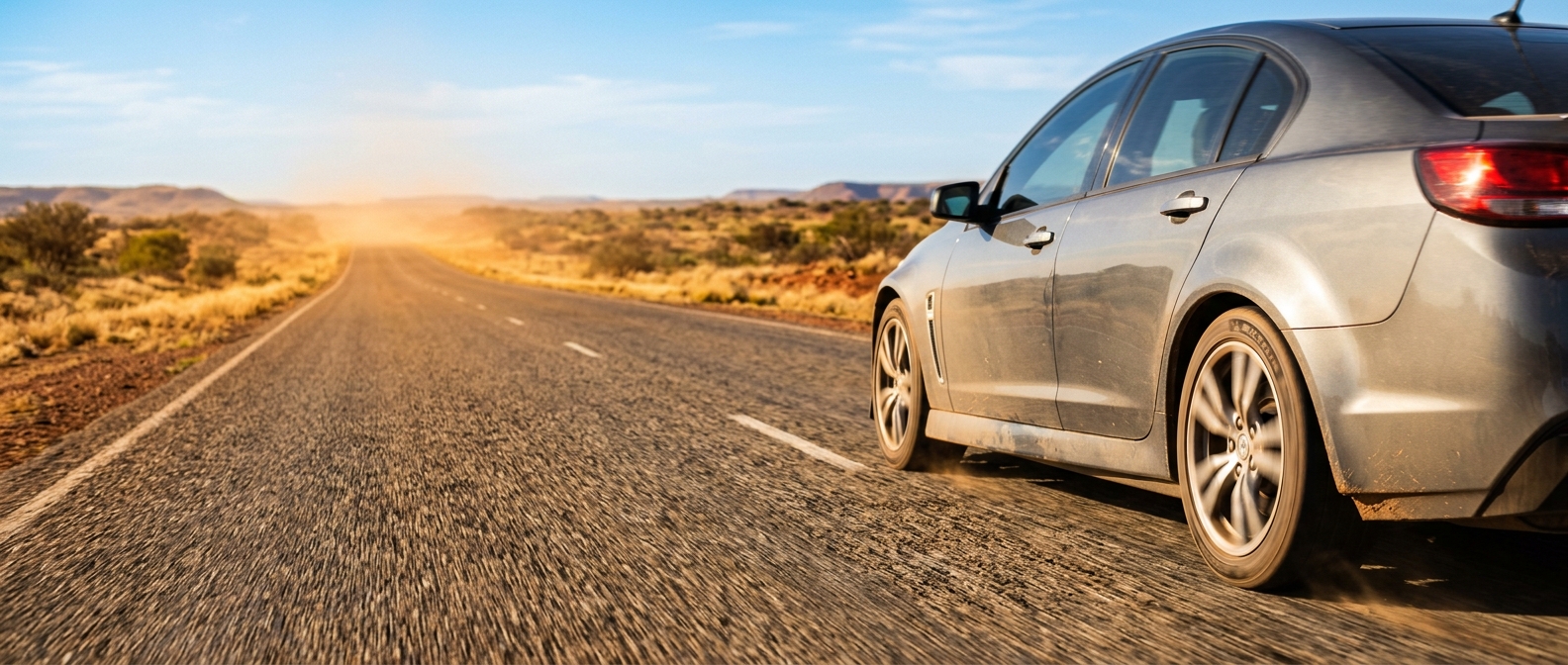
Speed rating is really a heat rating. On a 40-degree day on the Hume or the Nullarbor, a fully loaded car pushing along at 110 km/h for hours generates serious heat in the tyres. A higher-rated tyre has more thermal headroom, which is a genuine safety benefit here even though you will never approach its top speed. Heat is also what ages tyres prematurely — see UV damage and dry rot for how the Australian sun shortens tyre life. Pair the right rating with correct pressure and load, and the tyre stays within its comfort zone.
Bottom line: The speed-rating letter is a safety margin, not a speed limit to chase. Read the letter after your load index, match or exceed the placard, keep all four the same where you can, and you have done the job.
Frequently asked questions
What does a V speed rating mean?
A V-rated tyre is built to sustain up to 240 km/h under test conditions. It is common on performance sedans and sports cars. It does not mean you should drive at that speed — it reflects the tyre's heat and stability headroom.
Can I use a higher speed rating than my car needs?
Yes. Fitting a higher-rated tyre than your placard specifies is fine and can improve high-speed stability and braking feel. You cannot legally go below the placard rating (a temporary space-saver spare is the exception).
Why is H out of order in the chart?
H (210 km/h) sits between U and V for historical reasons — it was once the highest rating available before V, W and Y were added above it. The letter order is a legacy quirk, not a mistake.
Does a lower speed rating make a tyre unsafe?
Not on its own — a Q-rated all-terrain tyre is perfectly safe within its limits. The problem is fitting a rating below what your vehicle was designed for, which reduces the tyre's heat and speed headroom and can fail an inspection.
What speed rating are space-saver spares?
Space-saver (temporary) spares are typically rated around M (130 km/h) and carry their own speed and distance limits — usually no more than 80 km/h and a limited number of kilometres. Check the sticker on the spare itself.
Sources and further reading: Bridgestone Australia — Speed and Load Rating Charts; JAX Tyres & Auto — Understanding Tyre Speed Rating. Speed ratings are a fixed standard, but compliance rules vary — confirm requirements with your state road authority.
Suggested schema: Article + FAQPage.

0 Comments