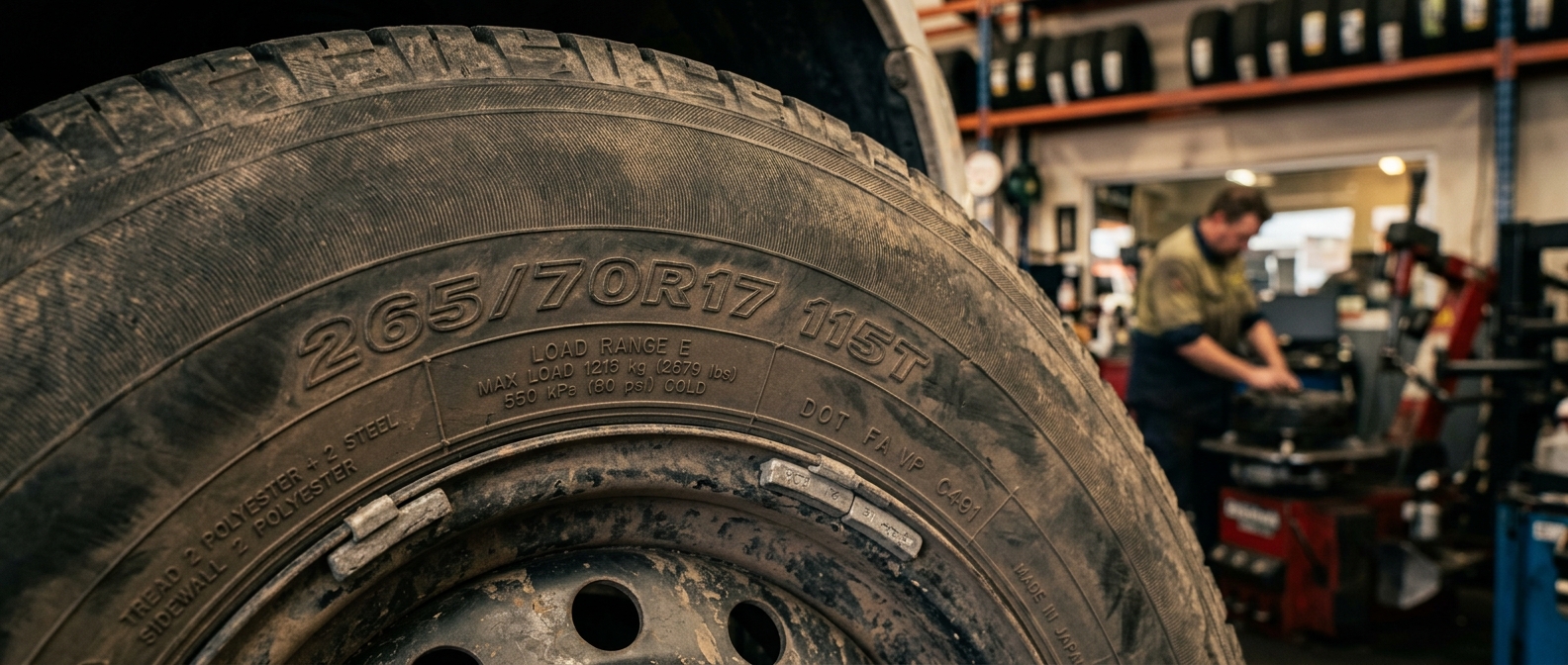
TL;DR: A tyre's load index is a code number that tells you the maximum weight one tyre can carry at its rated speed. On an Australian passenger car it usually sits between 82 (475 kg) and 100 (800 kg); utes and 4WDs run higher. Never fit a tyre with a load index below the number on your car's tyre placard.
Tyre Load Index Chart for Australian Vehicles
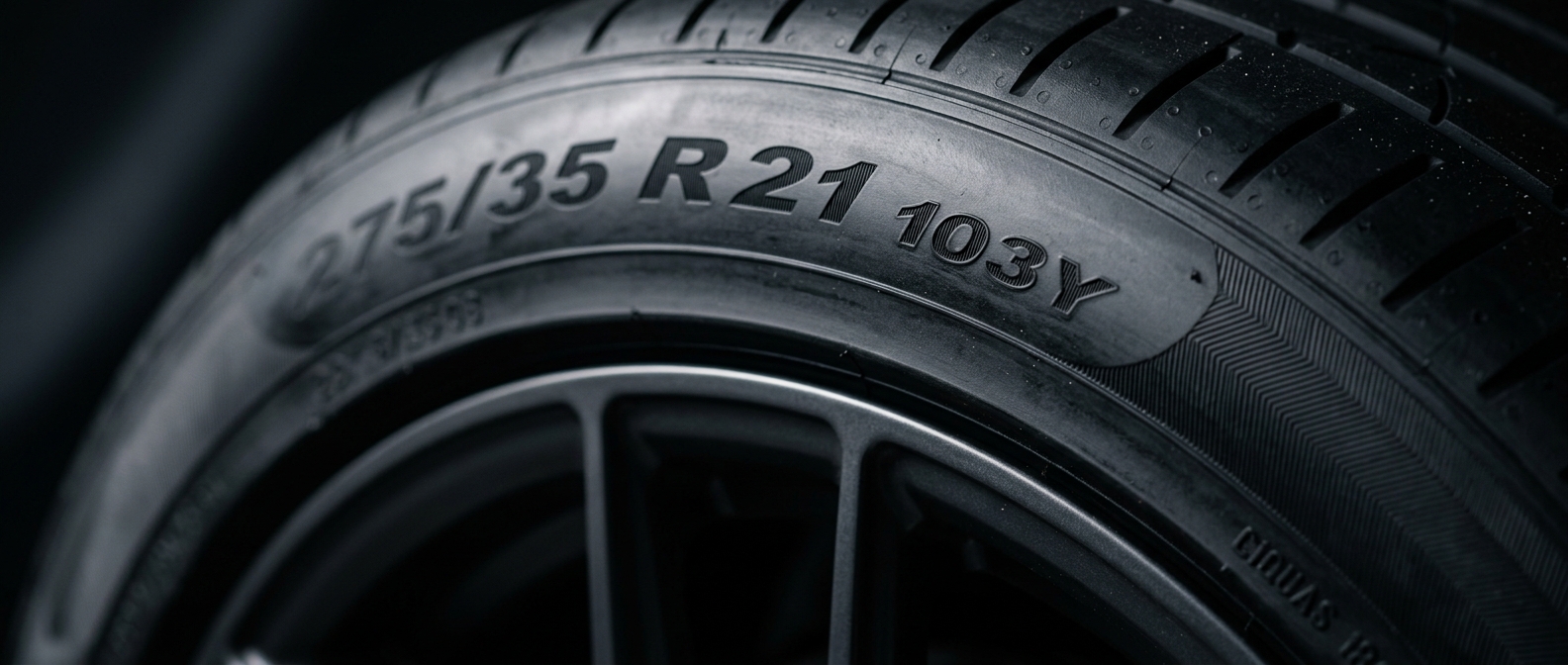
Every tyre sold in Australia carries a two- or three-digit load index stamped into the sidewall, right after the tyre size and before the speed-rating letter. It looks small and easy to ignore, but it is one of the most safety-critical numbers on the tyre. Fit a load index that is too low for your vehicle and the tyre can run hot, deform and fail — and you may also fail a roadworthy inspection. This guide gives you the full load index chart in kilograms, shows the ratings Australian cars, SUVs and utes typically use, and explains how to match your tyre correctly to the factory placard.
What is a tyre load index?
The load index (sometimes called the load rating) is a standardised code that represents the maximum load a single tyre can safely carry when it is correctly inflated and in sound condition. Bridgestone Australia defines it as "the maximum load capacity at which a tyre can be safely operated, subject to the tyre being in sound condition, correctly fitted and with the recommended inflation pressure." The higher the number, the more weight the tyre can support.
Two things matter straight away. First, the figure applies to one tyre — multiply by four for a rough idea of the vehicle's total tyre capacity, though the placard load figures are what actually govern legality. Second, the load index only holds true at the tyre's correct pressure; an underinflated tyre carries far less than its rating suggests. If you want the full picture of every marking on the sidewall, start with our guide on how to read a tyre sidewall.
Where do you find the load index?
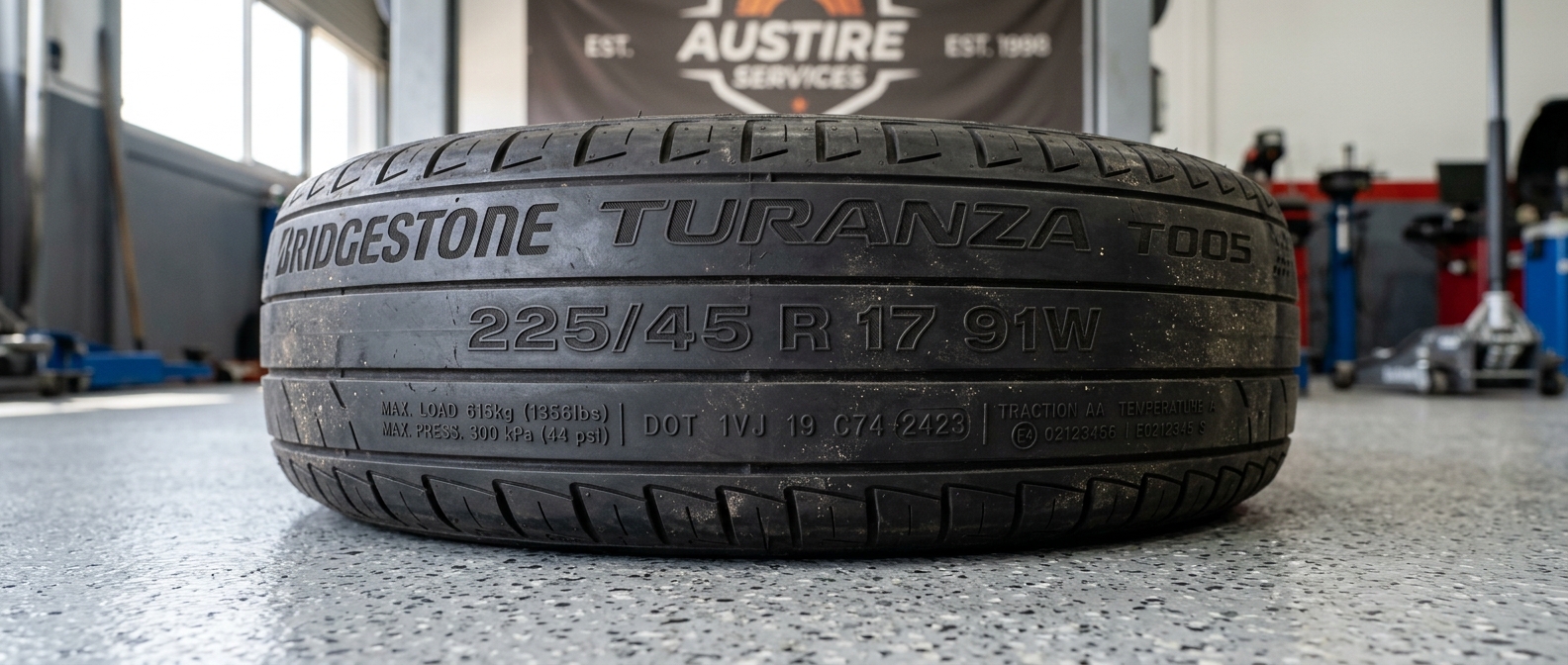
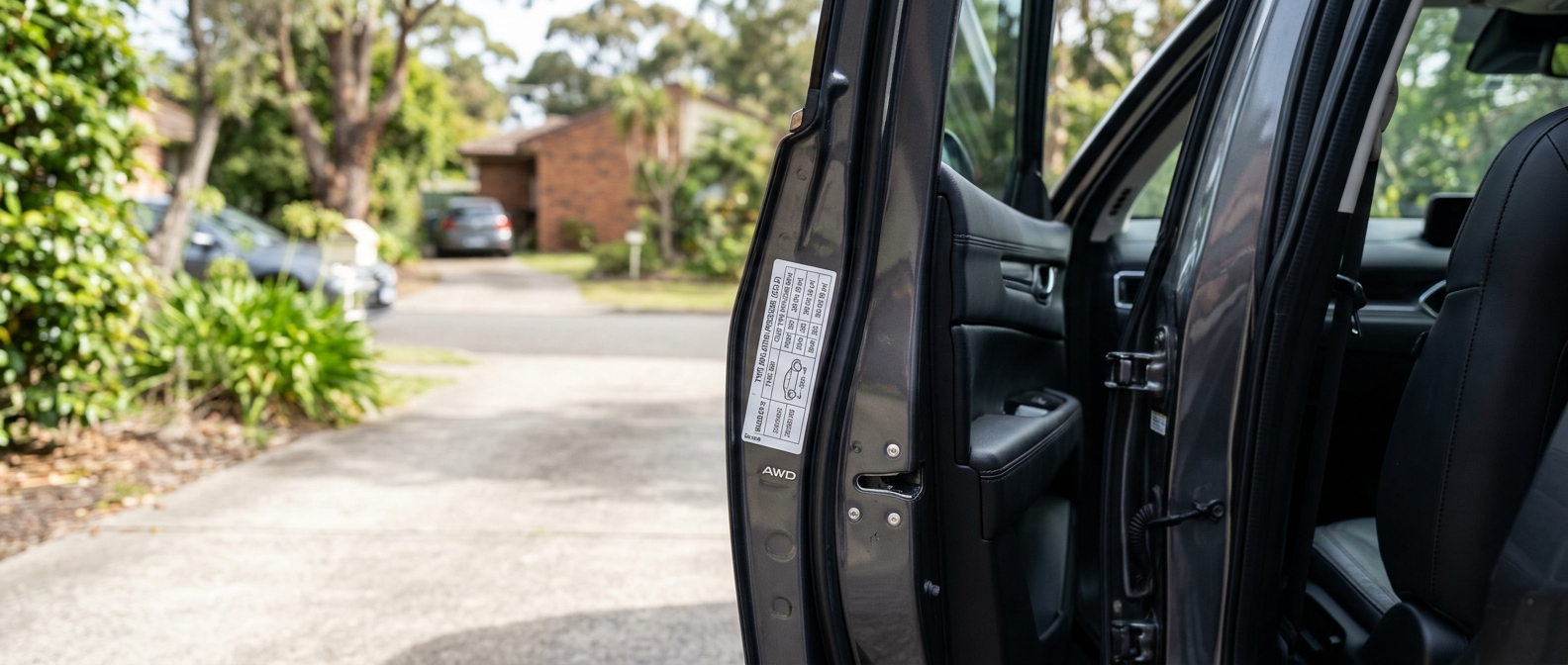
Take a common size like 205/55R16 91V. The "91" is the load index and the "V" is the speed rating. So this tyre can carry 615 kg at up to 240 km/h. You will find the same load-index figure two places: on the tyre sidewall, and on your vehicle's tyre placard — usually in the driver's door jamb, inside the fuel flap or in the glovebox. The placard number is the minimum your replacement tyres must meet or exceed. Our guide to reading your car's tyre placard walks through every figure on it.
Tyre load index chart (kilograms)
The load index is an international standard, so the number-to-weight relationship is identical on every brand sold here. This is the range that covers virtually all Australian passenger cars, SUVs, utes, vans and light trucks.
| Index | kg | Index | kg | Index | kg |
|---|---|---|---|---|---|
| 70 | 335 | 90 | 600 | 110 | 1060 |
| 71 | 345 | 91 | 615 | 111 | 1090 |
| 72 | 355 | 92 | 630 | 112 | 1120 |
| 73 | 365 | 93 | 650 | 113 | 1150 |
| 74 | 375 | 94 | 670 | 114 | 1180 |
| 75 | 387 | 95 | 690 | 115 | 1215 |
| 76 | 400 | 96 | 710 | 116 | 1250 |
| 77 | 412 | 97 | 730 | 117 | 1285 |
| 78 | 425 | 98 | 750 | 118 | 1320 |
| 79 | 437 | 99 | 775 | 119 | 1360 |
| 80 | 450 | 100 | 800 | 120 | 1400 |
| 81 | 462 | 101 | 825 | 121 | 1450 |
| 82 | 475 | 102 | 850 | 122 | 1500 |
| 83 | 487 | 103 | 875 | 123 | 1550 |
| 84 | 500 | 104 | 900 | 124 | 1600 |
| 85 | 515 | 105 | 925 | 125 | 1650 |
| 86 | 530 | 106 | 950 | 126 | 1700 |
| 87 | 545 | 107 | 975 | 127 | 1750 |
| 88 | 560 | 108 | 1000 | 128 | 1800 |
| 89 | 580 | 109 | 1030 | 129 | 1850 |
What load index does my Australian vehicle use?
These are the typical ranges you will see as a guide — always confirm against your own placard, because two versions of the same model can differ.
| Vehicle type | Typical load index | Per-tyre load |
|---|---|---|
| Light hatch (Mazda2, Yaris) | 80–84 | 450–500 kg |
| Small car (Corolla, i30) | 85–91 | 515–615 kg |
| Medium SUV (RAV4, CX-5) | 91–100 | 615–800 kg |
| Large 7-seat SUV (Prado, Everest) | 107–115 | 975–1215 kg |
| Dual-cab ute (Ranger, HiLux) | 112–121 | 1120–1450 kg |
| Van (HiAce, Transit) | 109–116 | 1030–1250 kg |
Utes and heavier 4WDs often specify a "reinforced" or Extra Load tyre, or a light-truck (LT) construction, to reach these higher numbers. The difference between the two is important — see XL vs standard load tyres and LT vs P-metric tyres before you buy.
Can you fit a higher load index than the placard?
Yes. Fitting a tyre with a higher load index than your placard specifies is generally fine and can be sensible if you tow or carry heavy loads. What you must never do is go lower. A higher-rated tyre often has a stiffer sidewall, which can firm up the ride slightly, but it will not cause a compliance problem. Going below the placard figure is both a safety risk and can put your vehicle outside its design specification — we cover exactly what happens if you fit the wrong load rating tyres in detail.
Load index and towing
When you load a car up with passengers, luggage and a full tank, then add towball download from a caravan or trailer, the rear tyres carry far more than they do empty. This is where an inadequate load index bites. If you tow, work through tyre rules for towing so your load index, the placard and your GVM all line up. Heavy electric vehicles are another case where the numbers climb quickly — see load index requirements for heavy EVs.
Bottom line: Read the number after your tyre size, check it against the load-index figure on your placard, and make sure every tyre you fit meets or beats it. The load index is cheap to get right and expensive to get wrong.
Frequently asked questions
Is a higher load index a better tyre?
Not necessarily — it just means the tyre can carry more weight. A higher index usually comes with a stiffer sidewall, which can slightly firm the ride. Match your placard, and only go higher if you carry heavy loads or tow.
What does load index 91 mean in kg?
Load index 91 means each tyre can carry up to 615 kg at its rated speed and correct pressure. It is one of the most common ratings on Australian small cars and medium SUVs.
Can I mix different load indexes across my four tyres?
It is best avoided. Ideally all four tyres share the same load index for even wear and predictable handling. If they differ, every tyre must still meet or exceed the placard minimum, and the pair on each axle should match.
Does the load index change if my tyres are underinflated?
The rating is fixed, but it only applies at the correct pressure. An underinflated tyre carries much less than its load index suggests and overheats under load, which is a leading cause of blowouts.
Where is the load index on my tyre?
It is the two- or three-digit number immediately after the tyre size and before the speed-rating letter — for example, the "94" in 225/65R17 94H. The same figure appears on your vehicle placard.
Sources and further reading: Bridgestone Australia — Speed and Load Rating Charts; Michelin Australia — Load and Speed Ratings. Load capacities and legal requirements can change — confirm your figures against your vehicle placard and your state road authority.
Suggested schema: Article + FAQPage.

0 Comments